“Chemical pump in boiler systems accurately doses treatment chemicals, preventing corrosion and scale to maintain safety and operational efficiency.”
Chemical pump
A chemical pump in a boiler system plays a critical role in ensuring the proper functioning and efficiency of the boiler. It is responsible for accurately and safely dosing chemicals into the boiler water to control various water treatment processes.
INTRODUCTION
A chemical pump in a boiler system is a vital component responsible for accurately dosing specific chemicals into the boiler water. These chemicals include oxygen scavengers, scale inhibitors, alkalinity controllers, and biocides. They ensure precise chemical metering, adhere to safety standards, and integrate with monitoring and control systems. However, regular maintenance and compliance with regulations are crucial for its proper functioning, helping to prevent corrosion, scale formation, and maintain boiler efficiency.
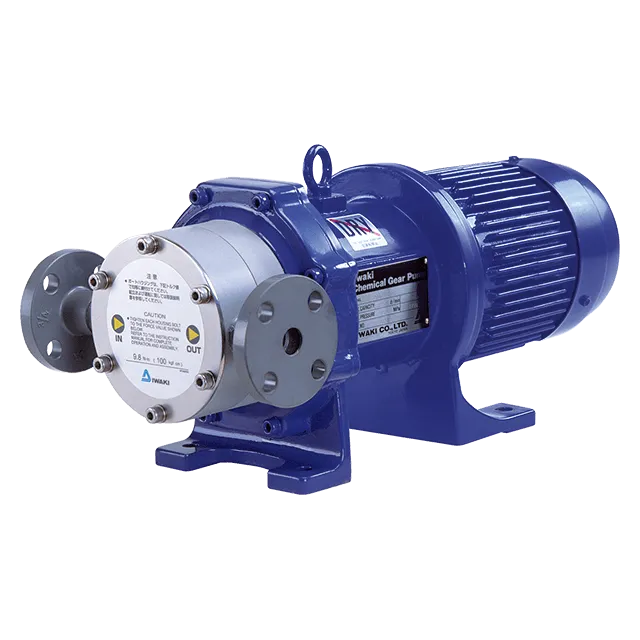
Image 1 – Chemical pump
HOW MANY TYPE OF CHEMICAL PUMP
In a boiler system, several types of chemical pumps may be used to handle various aspects of water treatment and chemical dosing. The specific types of chemical pumps can vary depending on the requirements of the boiler and the water treatment processes involved.
- Diaphragm Pumps: Boiler systems often use these pumps for dosing chemicals. They are good at accuracy and reliability in delivering precise chemical quantities. Moreover, they are particularly suitable for metering chemicals that require consistent and controlled dosing rates.
- Centrifugal Pumps: Larger boiler systems can use these centrifugal pumps to handle the circulation of water and chemicals. Otherwise, they are not as precise in dosing as diaphragm pumps.
- Peristaltic Pumps: Peristaltic pumps are positive displacement pumps that use a flexible tube to move fluids. Their advantage is accurate dosing capabilities.
- Metering Pumps: Metering pumps are specifically designed for accurate chemical dosing. They can be diaphragm pumps, piston pumps, or other types of positive displacement pumps.
- Rotary Gear Pumps: Boiler systems can use rotary gear pumps for dosing certain chemicals in boiler systems. Their abilities are to handle viscous fluids and are suitable for applications where chemical consistency is essential.
- Progressive Cavity Pumps: Boiler systems use progressive cavity pumps for dosing chemicals in some boiler systems. They can handle fluids with a wide range of viscosities.
- Screw Pumps: Boiler systems can use screw pumps in certain applications, especially for the transfer of chemicals and lubrication fluids.
KEY ASPECTS OF CHEMICAL PUMP
A chemical pump’s operation can be categorized based on specific aspects or characteristics that are important.
- Material Compatibility: Some chemical pumps have to handle corrosive or abrasive chemicals. Therefore, they are constructed with materials that are compatible with those chemicals.
- Precision and Accuracy: Metering pumps and peristaltic pumps are suitable to deliver precise and accurate dosing of chemicals.
- Viscosity Handling: Based on the viscosity of the chemical being pumped, the designer can choose the suitable pump for the system.
- Safety Features: Some safety features are equipped for chemical pumps. They can be leak detection systems, pressure relief valves, and containment systems to prevent chemical spills and accidents.
- Regulatory Compliance: Regulatory requirements and industry standards may also influence the type of chemical pump.
CONCLUSION
In summary, a chemical pump in a boiler system is a critical component for maintaining water chemistry and preventing corrosion and scale formation. They are also ensuring the safe and efficient operation of the boiler. Proper chemical dosing and monitoring are essential for extending the lifespan of the boiler and maximizing energy efficiency while complying with safety and environmental regulations.
(Vn-Industry.)