“Renewable energy in Southeast Asia creates economic growth, reduces carbon emissions, and enhances energy security for the region.”
Renewable Energy Production in Southeast Asia
Opportunities and Challenges for Development
INTRODUCTION
Amid climate change and the urgent need for energy transition, renewable energy production is becoming an inevitable trend worldwide. Southeast Asia, with significant potential in solar photovoltaic (PV) panels, energy storage batteries, and two-wheeled electric vehicles, is facing a great opportunity to drive sustainable economic growth.
According to reports from the Asian Development Bank (ADB), Bloomberg Philanthropies, and Sustainable Energy for All (SEforALL), the region’s renewable energy industry could generate revenue between USD 90 billion and USD 100 billion by 2030, creating approximately 6 million jobs by 2050. This presents an opportunity not only for economic growth but also for mitigating climate change impacts and ensuring future energy security.
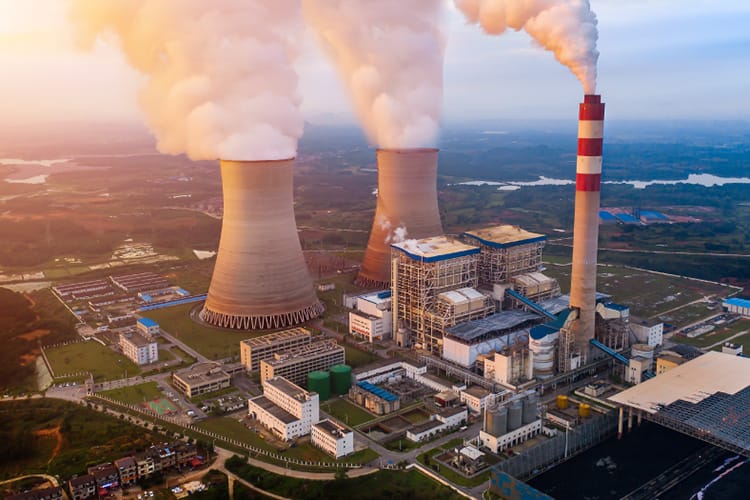
 Figure: Renewable Energy Production in Southeast Asia
Potential for Renewable Energy Development in Southeast Asia
Southeast Asia is experiencing rapid economic growth and increasing energy demand. With over 680 million people, the region faces immense pressure to secure a sustainable energy supply. Without action, rising global temperatures and extreme weather events could reduce the region’s GDP by up to 30% by 2050. Therefore, investing in renewable energy production not only reduces environmental risks but also creates significant economic opportunities.
The most promising renewable energy sectors in Southeast Asia include:
- Solar Photovoltaic (PV): The dominant technology in renewable energy production, with a target to increase capacity from 70 GW to 125–150 GW by 2030.
- Energy Storage Batteries: The Production capacity is expected to reach 140–180 GWh by 2030, enhancing energy storage and optimizing electricity supply.
- Two-Wheeled Electric Vehicles (E2W): With over 270 million motorcycles in operation, the region aims to boost assembly capacity from 1.4–1.6 million units per year to 4 million units by 2030.
Economic Impact and Job Creation
Investing in renewable energy production not only reduces greenhouse gas emissions but also plays a key role in economic growth. The sector could generate 6 million new jobs by 2050, mainly in manufacturing, installation, operation, and maintenance of renewable energy systems.
Additionally, renewable energy development will help Southeast Asian countries reduce dependence on fossil fuels, mitigating the risks of global energy price fluctuations. Establishing solar panel, battery, and electric vehicle manufacturing plants will strengthen local industrial capacity, promote technology transfer, and drive sustainable development.
Role of Policies and Regional Cooperation
Realizing the potential of renewable energy production requires robust policy support from regional governments. Key policy measures include:
- Stimulating Domestic Renewable Energy Demand: Establishing incentives like tax breaks, subsidies, and renewable energy auction programs.
- Ensuring Cost Competitiveness: Investing in research and development to reduce production costs and improve technological efficiency.
- Improving Business Environment: Simplifying licensing procedures, enhancing transparency, and supporting small and medium-sized enterprises in the renewable energy supply chain.
- Regional Cooperation: Promoting intra-regional trade through free trade agreements and developing the ASEAN Power Grid, enabling countries to share renewable energy and balance grid capacity.
Challenges and Solutions
Despite significant opportunities, Southeast Asia faces several challenges in developing renewable energy production, including:
- High Initial Investment Costs: Building manufacturing plants and renewable energy infrastructure requires substantial capital.
- Shortage of Skilled Workforce: Training and developing specialized human resources in renewable energy remains limited.
- Inadequate Technology Infrastructure: Many countries lack efficient energy storage and distribution systems.
To overcome these challenges, governments must increase investments in workforce training, technological infrastructure, and public-private partnerships to implement renewable energy projects.
Future Development Prospects
With appropriate policies and supportive measures, Southeast Asia can become a global hub for renewable energy production. The region could produce up to 20% of the world’s solar panels and energy storage batteries by 2030, reducing carbon emissions and enhancing its position in the global renewable energy market.
Harmonizing regional technical standards, developing the ASEAN Power Grid, and promoting intra-regional trade will create favorable conditions for renewable energy enterprises to expand operations and access international markets.
CONCLUSION
Renewable energy production is not only a vital solution to climate change but also a driving force for economic growth and job creation in Southeast Asia. With immense potential, the region has the opportunity to become a leading renewable energy manufacturing hub, contributing significantly to global sustainability goals and emissions reduction. However, realizing this potential requires clear development strategies, strengthened regional cooperation, and supportive policy environments.
Investing in renewable energy brings both economic benefits and environmental protection, ensuring a sustainable future for the entire Southeast Asian region.
(Vn-Industry.)
Source: Compiled
Home page: https://vn-industry.com/