“Vietnam’s abundant biomass resources, including bagasse, rice husks, and wood waste, promise sustainable energy solutions, reducing reliance on fossil fuels.”
Potential of biomass energy in Vietnam
Advanced Solutions for the Future
INTRODUCTION
As the demand for fuel continues to rise, biomass is increasingly asserting its position compared to coal and other fossil energy sources. Biomass is a term used to describe organic renewable energy derived from living organisms, representing a critical renewable resource on Earth.


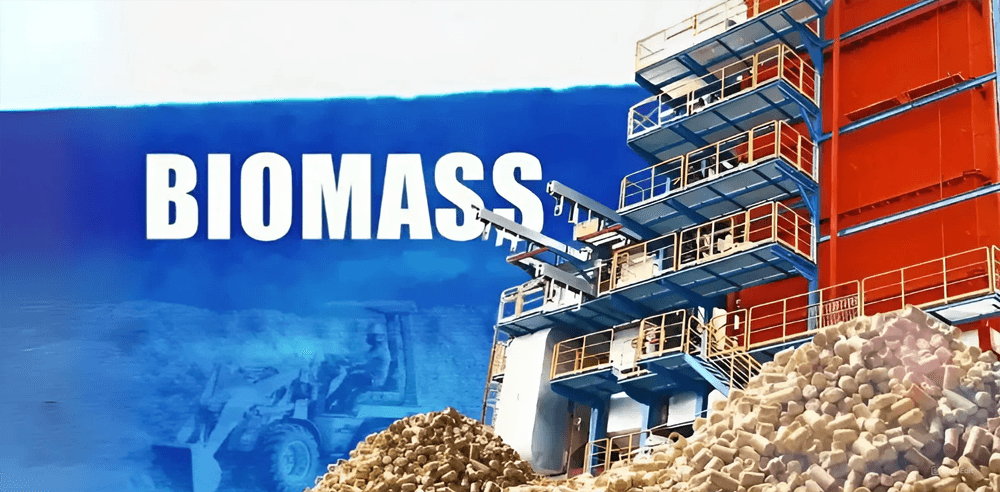
1- Diverse and Abundant Biomass Resources
Vietnam has significant biomass resources such as bagasse, wood chips, rice husks, and straw. Utilizing this substantial biomass energy potential not only reduces dependence on traditional energy sources but also decreases carbon emissions and environmental pollution while providing economic benefits to farmers involved in the bioenergy value chain.

2- Exploring Potential Biomass Feedstocks
Molasses and Used Cooking Oil: Molasses from sugarcane and used cooking oil can be processed into biomass ethanol and biodiesel, creating a stable and sustainable raw material supply for the biomass energy industry.
Wood Waste from Factories: Converting wood waste into clean energy extends the lifecycle of wood resources and provides a stable supply for the biomass energy sector.

Agricultural Rice Husks: Agricultural producers process rice husks, a recyclable byproduct, into biomass fuel, promoting the sustainable development of the biomass energy industry.

Waste: Industrial waste and crop residues provide potential raw materials for conversion into biomass fuel, contributing to environmental management and sustainable economic growth.

CONCLUSION
The potential of biomass energy in Vietnam is significant, offering advanced solutions for the future amidst rising fuel demand. With diverse and abundant resources such as bagasse, wood chips, rice husks, and straw, Vietnam can reduce reliance on traditional energy sources and mitigate carbon emissions. Utilizing biomass resources not only provides environmental benefits but also economic advantages for farmers and contributes to sustainable development. By converting materials like molasses, used cooking oil, wood waste, and agricultural byproducts into clean energy, Vietnam can foster a more sustainable and eco-friendly energy industry.
(Vn-Industry.)
Home page: https://vn-industry.com/