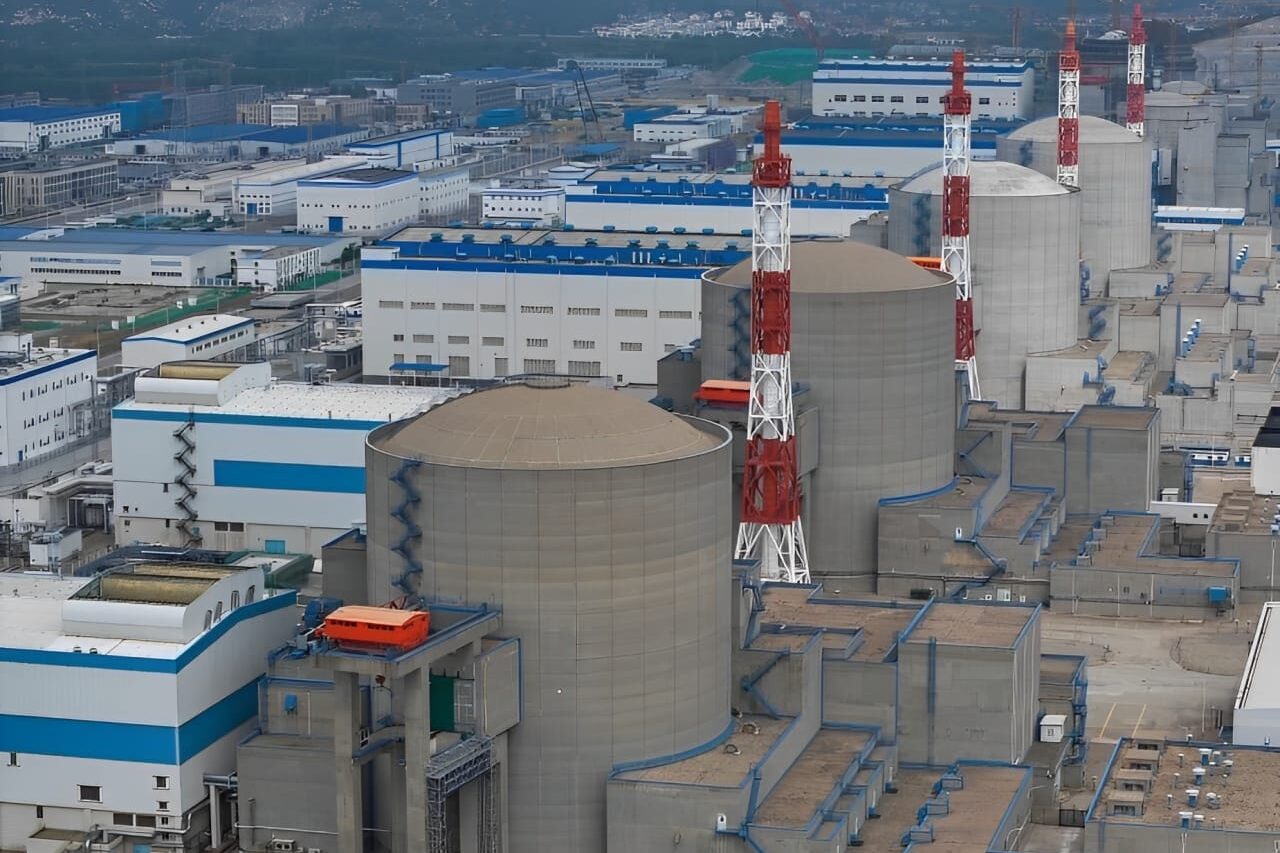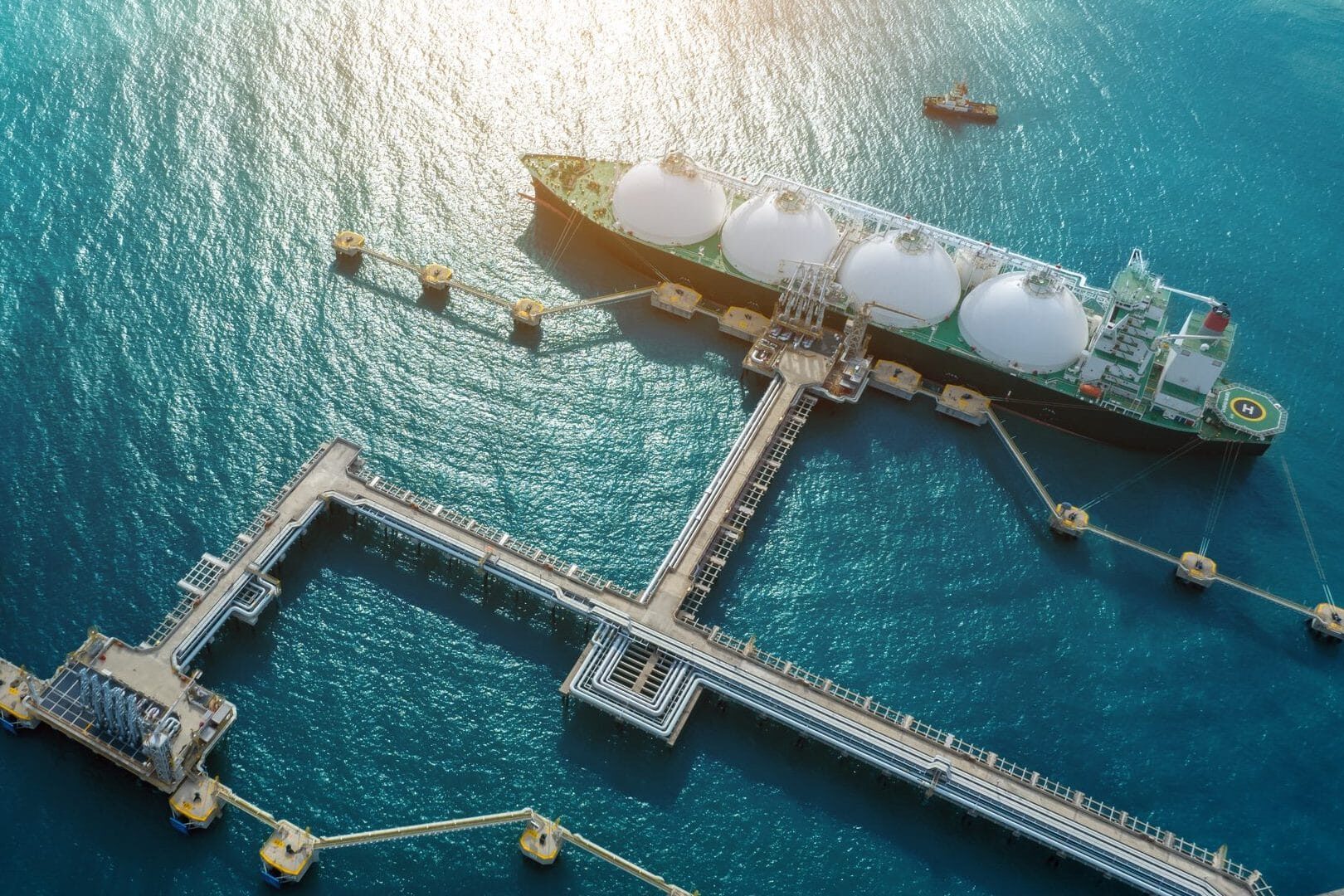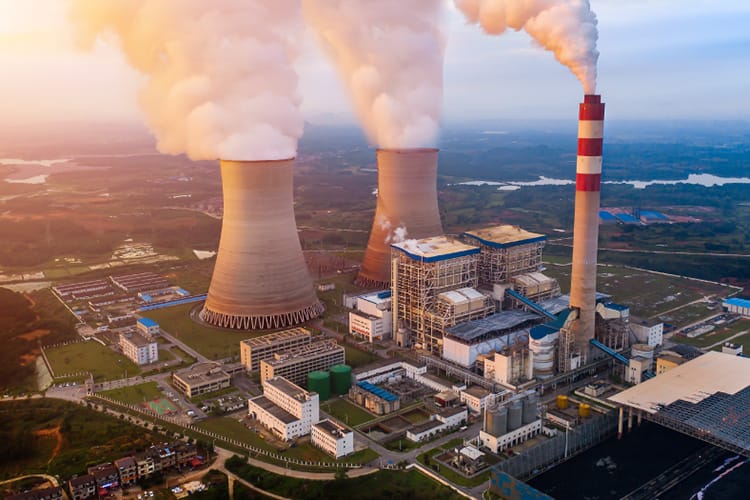
“Renewable energy in Vietnam has grown, but it still accounts for a small share of total power generation. The national grid remains heavily dependent on coal, gas, and hydropower – leading to environmental consequences and emissions. Clear policies and advanced technologies are needed to shift the balance.”
Green Energy in Vietnam: Current Situation and Challenges
🔍 Overview of Current Power Sources
According to Vietnam Electricity (EVN)’s statistics – EVN’s Power Sector Report, in the first 5 months of 2025, the national electricity output structure was distributed as follows:

Similarly, based on 2023 statistics – VnEconomy, the output share by power source was:

👉 Around 65–70% of electricity output still comes from polluting sources like coal, gas, and hydropower. Among them, coal and gas-fired power emit large amounts of CO₂, while hydropower—despite being “renewable”—has serious environmental impacts such as deforestation, altered river flows, and harm to biodiversity.
⚠️ Key Challenges
🔥 Fossil Fuels Still Dominate
-
📊 Despite warnings about pollution, coal and gas remain pillars of national power supply.
-
🌊 Hydropower—though renewable—brings environmental consequences like deforestation, river disruption, and negative effects on communities.
⚖️ This highlights Vietnam’s ongoing dependence on high-emission energy sources.

💸 Unfairness in the Carbon Credit Mechanism
-
🚘 In 2024, Tesla earned USD 2.76 billion from carbon credits, accounting for nearly 30% of its net profit—by selling emission rights to traditional automakers. Teslas

-
🌍 Meanwhile, countries like Vietnam—which contribute to cleaner production—do not benefit from these carbon credits.
🏭 Industrialization and Unequal Environmental Burden
- Vietnam participates in the global supply chain mainly as a manufacturer, yet bears most of the environmental impacts instead of consumer nations.
Example: A pair of Nike shoes sold in the U.S. for USD 100
-
🇻🇳 The factory in Vietnam—where the shoes are made—only earns about USD 14
-
📦 That USD 14 includes: material costs, worker wages, and hidden environmental costs (such as water and air pollution, waste treatment…)
-
Meanwhile, most of the profit goes to multinational corporations and retail systems in developed countries.
🌍 Global Emissions and Disproportionate Impact
- Developed countries account for 95% of total emissions, yet developing countries like Vietnam suffer from more severe environmental consequences.
💡 Solutions to Increase Clean Energy Share
If Vietnam wants to reduce its dependence on fossil fuels, it needs more strategic and synchronized steps in energy transition. Below are the key solutions:
⚙️ Invest in Clean Technology
-
🏭 Deploy Carbon Capture and Storage (CCS) technology:
Significantly reduces CO₂ emissions from operating thermal power plants. -
⚡ Improve equipment efficiency:
Replace or upgrade old generator units with more advanced technologies to enhance energy efficiency and reduce fuel consumption.

-
🌞 Promote investment in wind and solar power:
Renewables are growing well in Vietnam, but still require:-
Stable and transparent Feed-in Tariff (FiT) mechanisms
-
Green investment incentives such as credit and tax breaks
-
Transmission infrastructure capable of integrating new energy sources into the grid
-
🧾 Domestic Carbon Credit Policy

-
♻️ Develop a domestic carbon credit market:
Enable companies investing in clean technology to sell credits to higher-emitting firms. -
🤝 Ensure fair benefit sharing:
Instead of letting foreign corporations take all the advantage from global carbon mechanisms, Vietnam should:-
Establish a domestic carbon trading platform
-
Enact a clear legal framework
-
Support local enterprises in accessing this opportunity
-
-
📊 Transparency, auditing, and emission measurement:
These are the foundations of a reliable and efficient carbon credit market.
🚀 Long-Term Strategy
🔋 According to Power Development Plan VIII:
-
Strong increase in renewable energy and LNG by 2030 Vietnam Energy Online
-
Reduce coal-fired power share to below 40%
-
Increase renewable energy to 30–40% of total capacity
✅ Priority Actions
-
💼 Restructure production chains towards green and clean directions
-
🏗️ Integrate renewable energy into industrial zones
-
📉 Gradually phase out highly polluting industries
-
⚖️ Disclose environmental costs in export manufacturing
-
🌱 Increase the ability to benefit from the global carbon market
Conclusion on Vietnam’s Green Energy Outlook
To achieve green energy development goals, Vietnam needs not only to reduce its reliance on coal and gas, but also to build a fair domestic carbon market, upgrade transmission infrastructure, and foster a green supply chain. With determination and the right strategy, Vietnam can absolutely become a model for just energy transition in Southeast Asia.
(Vn-Industry)
Source: Compiled
Homepage: https://vn-industry.com