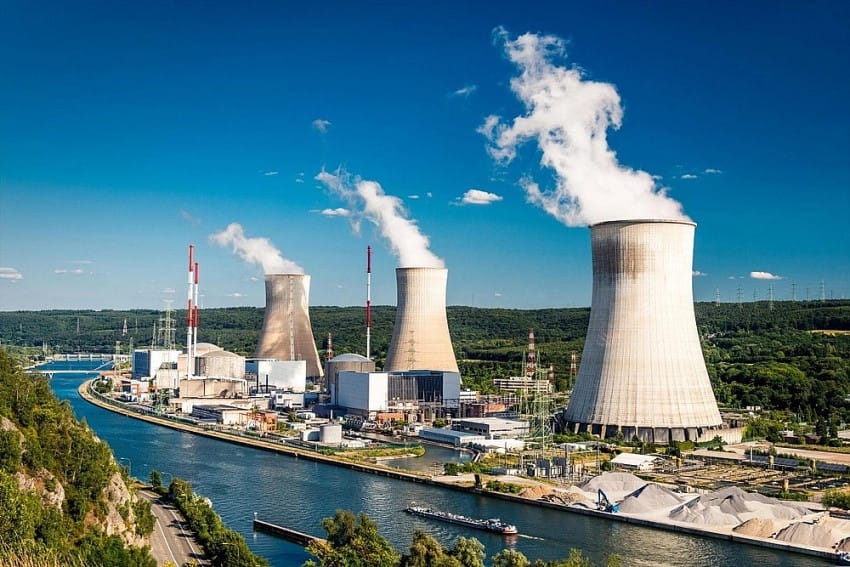
“Sustainable growth in green energy across ASEAN relies heavily on proactive government policies, strategic leadership, and long-term commitments to environmental responsibility and energy innovation.”
The Role of Governments in Developing Green Energy
🌱 What is green energy and why do strong policies matter?
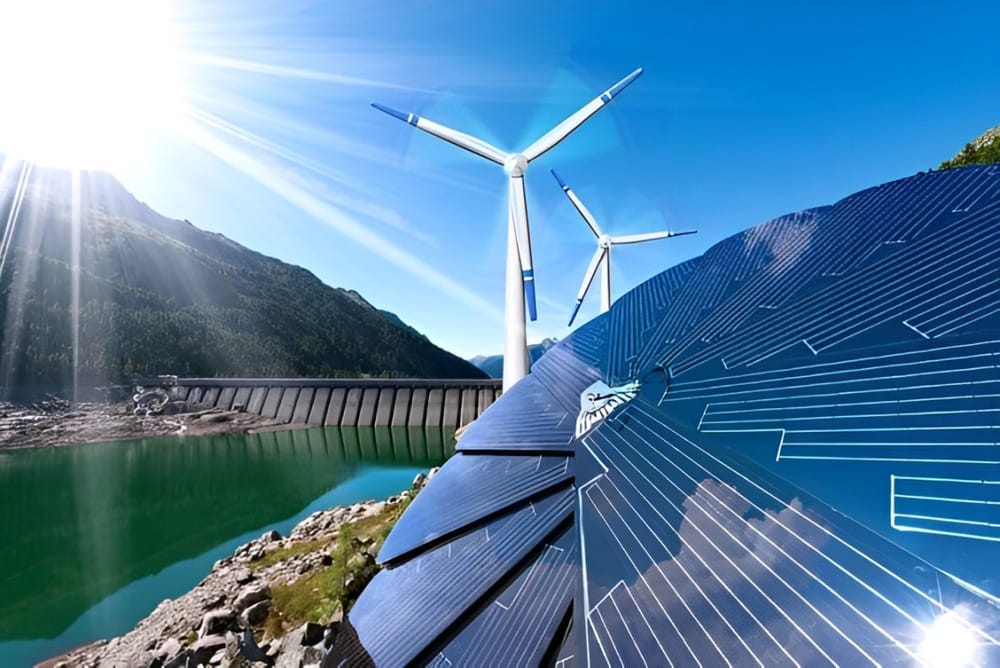
Green energy (also known as renewable energy) includes wind, solar, small-scale hydro, geothermal, and biomass. It’s clean, low-carbon, and helps reduce pollution.

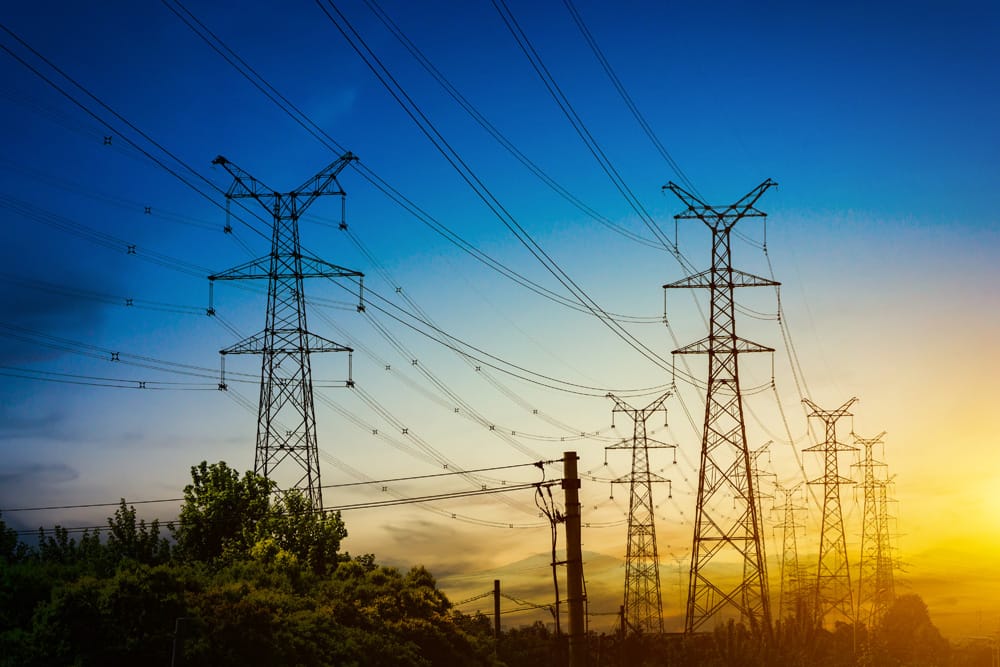
Governments play a key role in advancing these energy sources by setting laws, determining FIT prices, investing in power grids, offering financial support, and attracting private investments.
According to IEA, Southeast Asia needs to double its green capacity in the next 10 years to meet net-zero goals. That requires bold government action.
⚖️ Key Policies: FIT, Incentives, and Public Investment
🌞 Feed-in Tariff (FIT) Mechanism Boosts Clean Energy
The Feed-in Tariff (FIT) – a fixed electricity purchase price – is a major driver of renewable energy growth in many ASEAN countries.
For instance, the Philippines implemented FIT in 2008, significantly boosting solar and wind capacity over the past decade.
💰 Financial Incentives and Tax Policies
Malaysia is a standout example of using tax exemptions and investment incentives to promote renewable energy.
As a result, green energy made up 22% of the power mix by 2023, focusing on solar and small hydro.
🔌 Public Investment in Smart Grids and ASEAN Power Grid
Bain & Company and the Southeast Asia Public Policy Institute note that modernizing smart grids is crucial for integrating renewable energy and could create 200,000 jobs by 2030.
The ASEAN Power Grid (APG) is also being developed to connect regional countries and enhance energy security and optimize capacity.
🌍 Leading Government Efforts

🇹🇭 Thailand: Clear Targets and Strong Policy Support
Thailand aims for 30–37% renewable energy in its mix by 2036, under the Alternative Energy Development Plan (AEDP).
The legal framework by the Ministry of Energy supports solar, biomass, and wind project growth.
🇻🇳 Vietnam: Rooftop Solar Boom
Vietnam has installed over 100,000 rooftop solar systems, supported by attractive FIT policies.
Government support helped Vietnam enter the Top 10 countries for solar power capacity, according to the IEA.
🇵🇭 Philippines: Renewable Energy Act Drives Growth
The Philippines was the first in Southeast Asia to pass the Renewable Energy Act in 2008, paving the way for small hydro, wind, and solar.
The national goal is to triple renewable capacity by 2030.
🇲🇾 Malaysia: Targeting 40% Green Energy by 2035
Malaysia launched the Green Transformation Program and cross-border grid system (Enegem).
The goal is to reach 40% renewable energy share by 2035, while attracting private investment through transparent policies and public tenders.
🤝 Regional Cooperation and Challenges
🌐 ASEAN Power Grid: Expectations vs. Reality
The ASEAN Power Grid (APG) is a strategic initiative to link power grids across Southeast Asia, allowing electricity sharing and better system stability. Cross-border connections will maximize renewable energy potential like solar, wind, and hydro.

However, APG progress remains slow due to technical, legal, and commercial disagreements among member countries.
🕊️ Politics, Legal Frameworks, and Investment Risks
Lack of political will and inconsistent legal frameworks are major barriers to green energy development.
According to The Diplomat, many ASEAN governments still prioritize short-term economic interests over long-term green commitments.
Meanwhile, Reuters and AP News highlight the need for clear legal frameworks, investment risk insurance, and green credit policies to attract international funding.
💸 Funding Gaps and Fossil Fuel Competition
Renewable energy has higher upfront costs than fossil fuels, and many ASEAN countries still subsidize traditional energy.
According to the Financial Times, global climate funds are reducing support for Southeast Asia, forcing the region to seek private investment and reform energy policies to become more attractive.
🚀 International Cooperation: Success Stories
Some joint ventures have proven effective.
For example, a partnership between Singapore and TotalEnergies in Indonesia developed a large-scale solar project with battery storage, showing the value of public-private and international cooperation in turning clean energy projects into reality.
Conclusion on the Government’s Role
The government’s role is irreplaceable in the green energy transition:
-
Enacting laws, setting FIT, and offering financial incentives.
-
Investing in modern infrastructure.
-
Creating a favorable environment for private investors.
-
Enhancing regional and international cooperation.
Only with decisive government action can Southeast Asia seize green energy opportunities. Strong policies, cross-border collaboration, and mobilizing capital will help the region become a global green energy hub.
(Vn-Industry)
Source: Compiled
Homepage: https://vn-industry.com