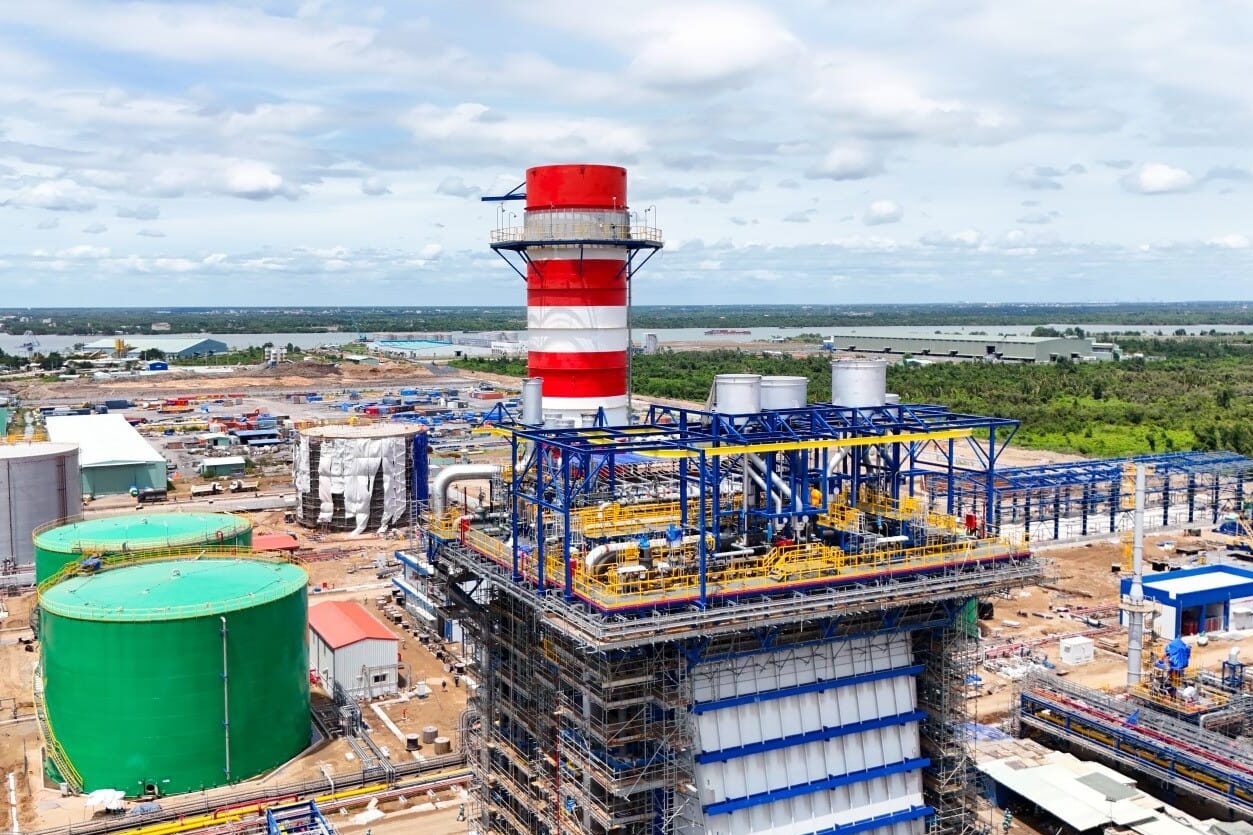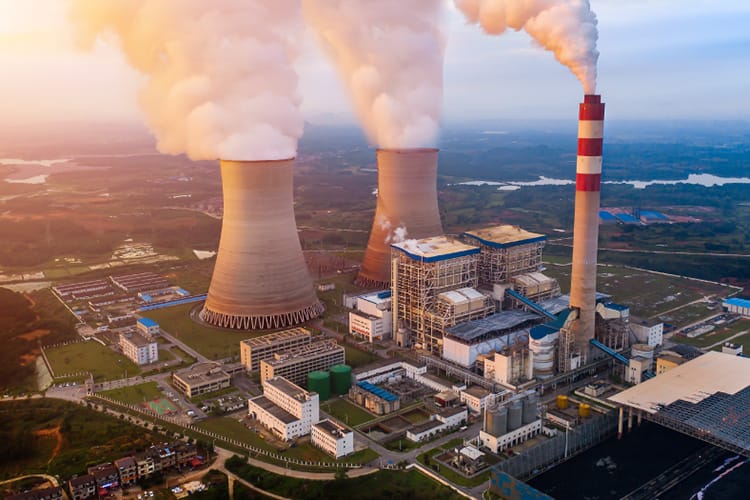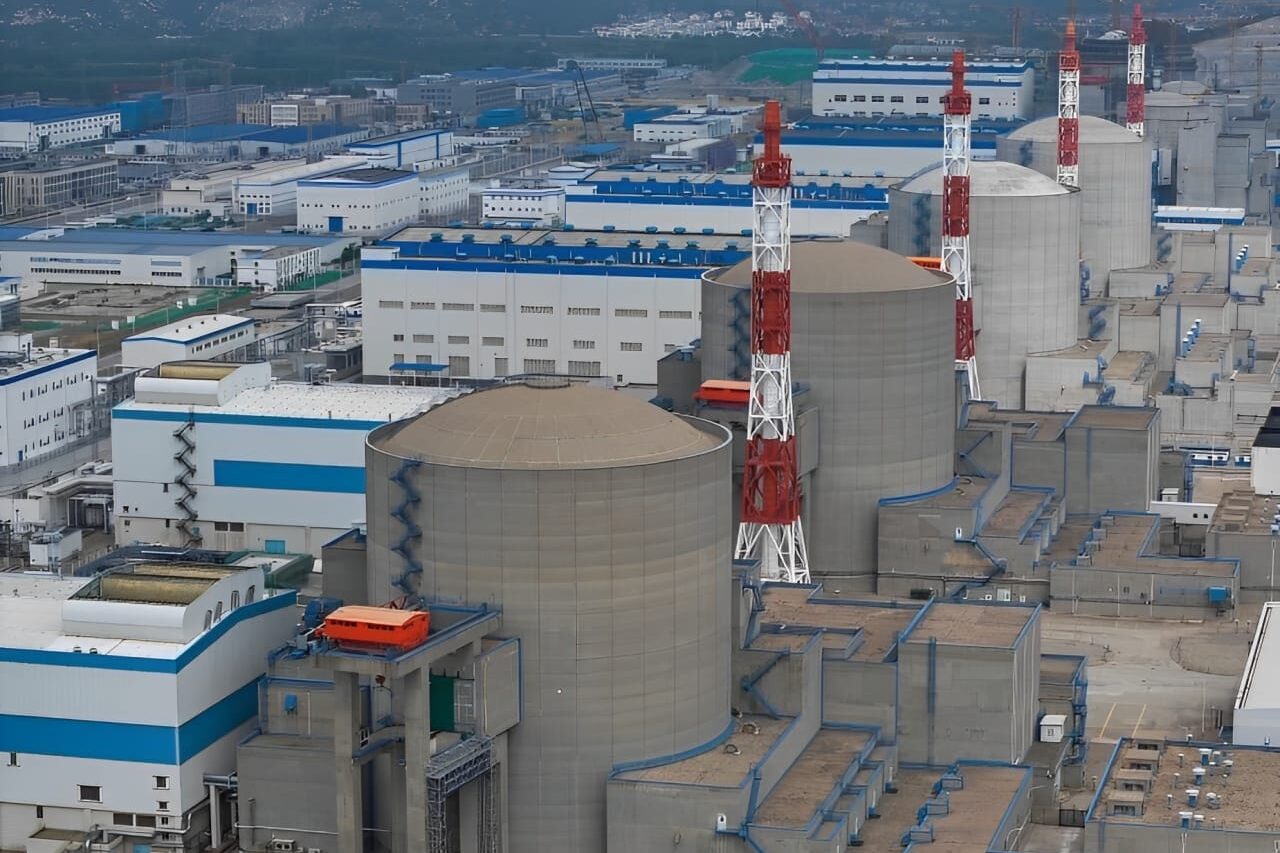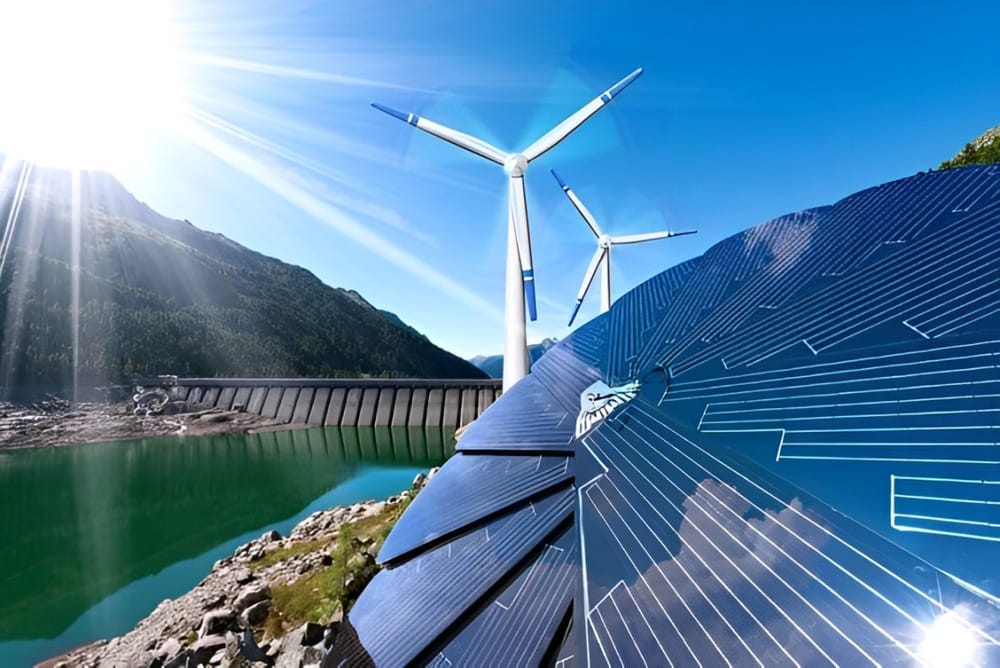
“Liquefied Natural Gas (LNG) is playing a strategic intermediary role in the transition from fossil fuels to renewable energy in Southeast Asian countries such as Vietnam, Thailand, and the Philippines.”
LNG – An Indispensable Bridge in Southeast Asia’s Energy Transition Journey
As the world enters an era of carbon neutrality and sustainable development, Southeast Asia – a region with over 680 million people – faces a major challenge: how to ensure economic and industrial growth while cutting greenhouse gas emissions? In this journey, Liquefied Natural Gas (LNG) has been playing a strategic intermediary role, especially in economies like Vietnam, Thailand, and the Philippines.

🌐 Why does Southeast Asia need LNG during the transition period?
Southeast Asia is currently witnessing electricity demand growth at a rate of 4–6%/year, double the global average. The drivers are industrialization, urbanization, and rising household electricity use. However, over 40% of the region’s electricity still comes from coal – one of the largest CO₂ emitters.
Although ASEAN countries have committed to Net Zero goals by mid-century (Vietnam by 2050, Thailand by 2065, Indonesia by 2060…), phasing out fossil fuels in the short term remains unfeasible. Renewable sources like solar and wind are still limited by intermittency, costly battery storage, and underdeveloped grid infrastructure.
In this context, LNG emerges as a “smart intermediary solution”, helping countries rapidly reduce emissions while ensuring energy security and uninterrupted economic growth.
🔌 What is LNG, and why is it considered a “transition fuel”?
LNG (Liquefied Natural Gas) is natural gas (methane) cooled to -162°C to become liquid, making it easier for marine transportation and storage in cryogenic tanks. Once at the point of use, it is regasified and fed into pipelines for power generation, industry, and transport.
Compared to coal, burning LNG emits 30–50% less CO₂, and produces no fine dust, SOx, NOx, or hazardous ash. This makes it ideal for environmental and urban air quality goals.
Other key advantages of LNG include:
-
Rapid response to variable loads, with flexible start/stop capabilities.
-
Ideal as baseload or backup power, complementing renewables.
-
Easy integration into existing power grids without major upgrades.
-
Can be combined with green hydrogen technologies in the future.
Therefore, LNG power plants are seen as a necessary stepping stone toward clean energy transition.
🌏 Vietnam – Accelerating LNG investment to reduce coal dependence
Vietnam is the fastest-growing electricity market in ASEAN. In Power Development Plan VIII (PDP8) approved in 2023, LNG is defined as a strategic energy source to gradually replace coal starting from 2025.
Major LNG projects underway include:
-
Long An LNG Power Plant I & II (3,000MW), a joint venture with the U.S. and South Korea.
-
Son My I (2,250MW), invested by AES (USA).
-
LNG import terminals under construction in Ba Ria – Vung Tau, Long An, and Hai Phong.

Since 2024, Thi Vai LNG terminal (BR-VT) has received its first shipments, paving the way for LNG power complexes to begin trial operations.
LNG development also helps attract FDI into energy and gas technology, and promotes the formation of a domestic LNG supply chain including storage, cryogenic transport, and technical services.
🇹🇭 Thailand – The ASEAN pioneer in LNG commercialization
Thailand was the first ASEAN country to commercialize LNG in 2011. National oil company PTT operates the region’s largest LNG terminals at Map Ta Phut and Nong Fab, with a capacity of up to 19 million tons/year (2024).
Thailand’s national energy strategy views LNG as a “flexible solution” to:
-
Replace declining domestic gas and coal;
-
Ensure supply for eastern industrial zones;
-
Act as a bridge to renewable energy development.
Additionally, Thailand aims to become an LNG re-export hub in ASEAN, supplying LNG to Laos, Cambodia, and even Southern Vietnam.

🇵🇭 Philippines – Ensuring energy security as the Malampaya gas field depletes
The Philippines has long relied on the Malampaya gas field, which supplies 30–40% of Luzon’s electricity. However, its output has declined since 2022, forcing the government to switch to LNG imports.
By 2025, the Philippines will have completed two commercial LNG terminals in Batangas, with three more projects in the pipeline. Japanese, Korean, and Singaporean firms have invested in its LNG infrastructure.
With the potential to convert 10,000MW of gas power to LNG, the country sees LNG as a medium-term pillar in its energy security and CO₂ reduction strategy.
⚙️ Strategic benefits of LNG for Southeast Asia
The adoption of LNG brings a host of benefits not only in terms of technology but also long-term strategic development:
– Reduces CO₂ emissions and air pollution compared to coal – supporting COP26 commitments and SDGs.
– Stabilizes power grids, offsetting the intermittency of solar and wind power.
– Increases foreign direct investment (FDI) into energy infrastructure – especially from Japan, Korea, and the U.S.
– Creates a local LNG industry, including logistics, engineering, training, and equipment manufacturing.
– Enhances ASEAN regional energy connectivity through cross-border LNG corridors.

🔮 Challenges to overcome
Although LNG is an effective medium-term solution, several challenges remain:
-
Volatile LNG import prices, dependent on global spot market (prices surged 10x during the Russia–Ukraine crisis).
-
High upfront investment, required for import terminals, cryogenic storage, and combined-cycle power plants.
-
“Carbon lock-in” risks, if LNG projects are prolonged, potentially delaying the shift to renewables.
Therefore, LNG development must go hand-in-hand with a clear transition roadmap, avoiding long-term dependency while promoting energy storage, hydrogen, and smart grid investments.
📌 Conclusion: LNG – A Vital Bridge in Southeast Asia’s Energy Transition
LNG is not the destination, but an intermediary bridge that moves Southeast Asia from a traditional fossil-based economy toward a green, smart, and sustainable future. As renewables are not yet capable of fully meeting electricity needs, LNG ensures power system stability, supports industrial growth, and significantly cuts emissions.
From 2025–2040, countries like Vietnam, Thailand, and the Philippines must accelerate LNG infrastructure deployment in parallel with long-term solutions: energy storage, smart grids, hydrogen technologies, and green investment incentives.
LNG is a strategic choice – but it must be a stepping stone, not the final stop.
(Vn-Industry)
Source: Compilation
Homepage: https://vn-industry.com