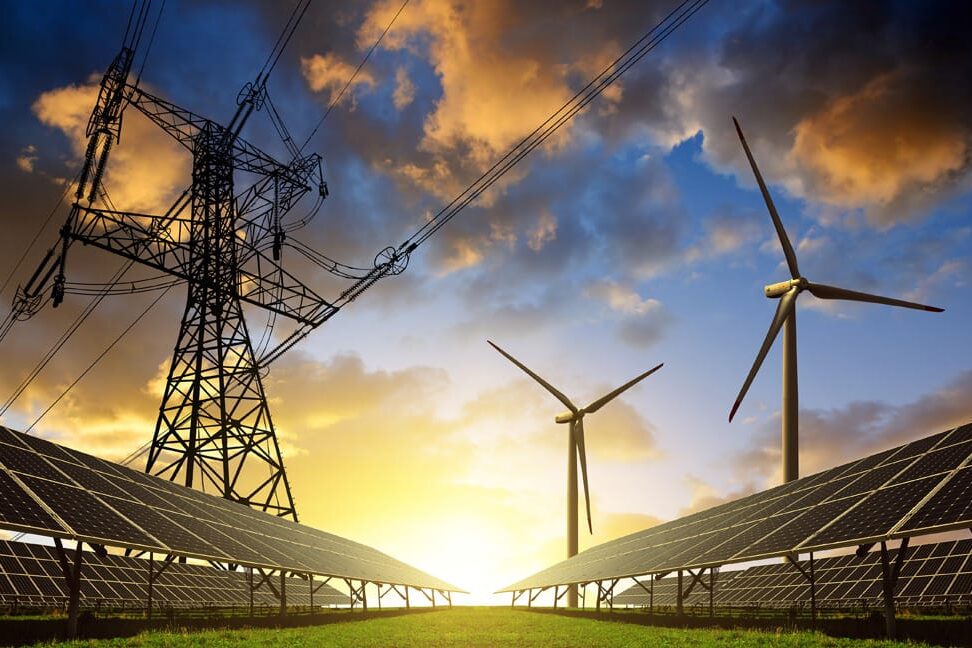
“The transition from coal to renewable energy is becoming an inevitable trend in the industrial energy sector in Southeast Asia, particularly in two major emitters: Vietnam and Indonesia.”
Transitioning from Coal to Renewable Energy in Southeast Asia: Opportunities and Challenges for Vietnam and Indonesia
🌏 Why must Southeast Asia abandon coal?
In the context of climate change and Net Zero commitments, the gradual reduction of coal-fired power and the shift to renewable energy is no longer an option but a necessity. Southeast Asia, with its rapidly growing electricity demand, faces the challenge of ensuring energy security while reducing emissions.
Two typical countries, Vietnam and Indonesia, which together account for more than 50% of the region’s coal-related CO₂ emissions, are at a critical turning point.

🔍 Current Status of Coal Use in Vietnam and Indonesia
Coal still plays a key role in the energy systems of many Southeast Asian countries, especially Vietnam and Indonesia. Although both countries have begun their energy transition journeys, coal still holds a significant share in power generation and the economy, posing challenges in their emission reduction roadmaps.

⚡ Vietnam
Vietnam currently generates around 40% of its electricity from coal. In Power Development Plan VIII, the government has outlined a roadmap to phase out old coal power plants and stop approving new ones after 2030.
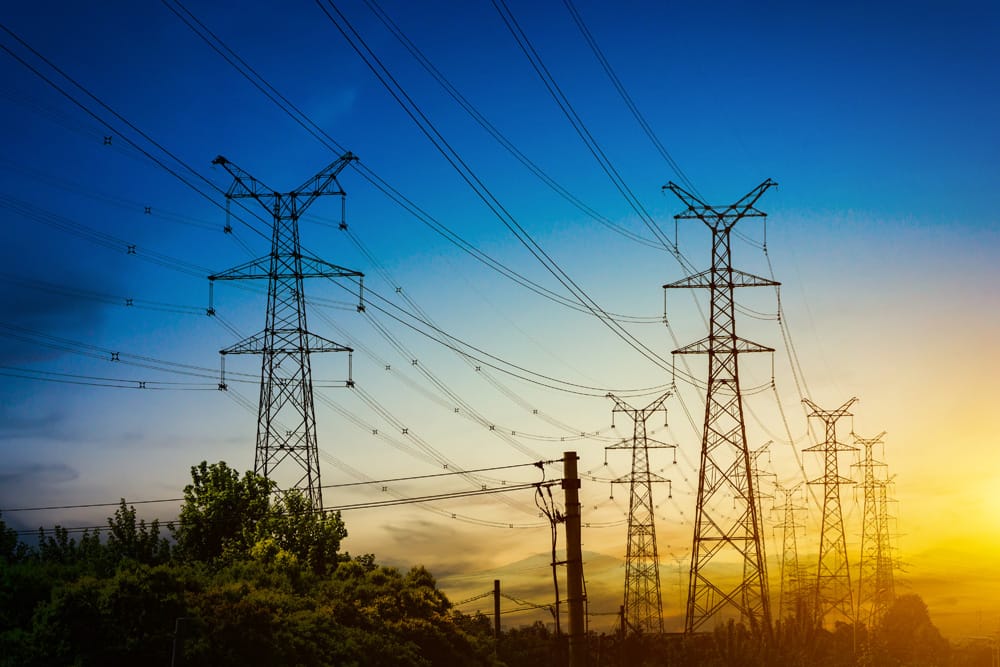
However, the challenge lies in shifting supply sources and upgrading the power grid, which is not yet flexible enough to integrate a large share of renewables.
⚡ Indonesia
Indonesia is the second-largest coal exporter in the world, with over 60% of its electricity generated from coal. The government has signed a $20 billion Just Energy Transition Partnership (JETP) to support the coal phase-out by 2040.
However, Indonesia still faces technical, financial, and political barriers in this transition.
🌱 Opportunities from Renewable Energy
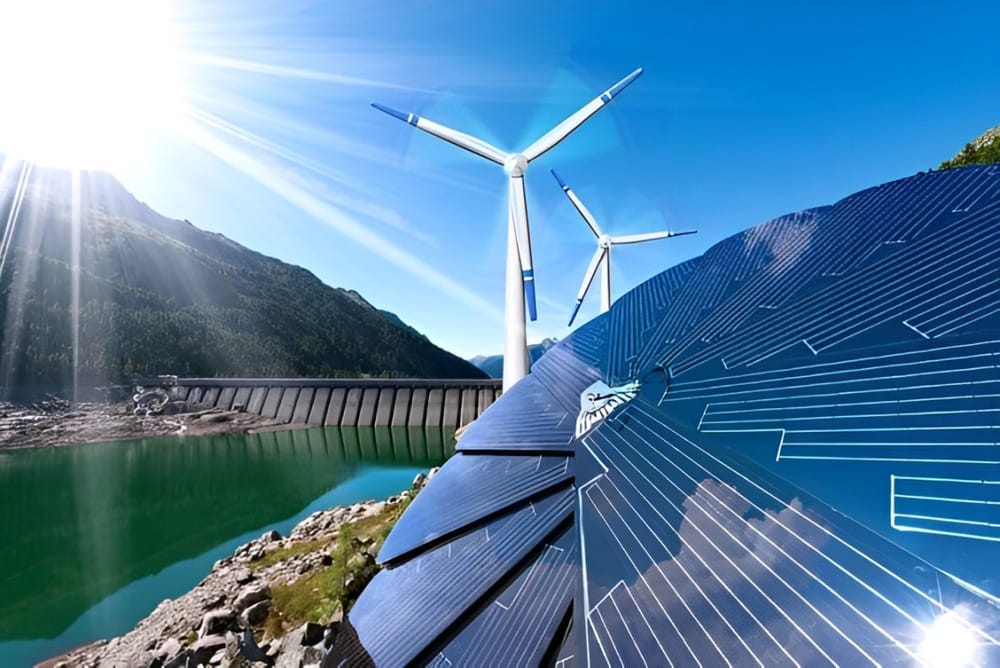
With increasing pressure to cut emissions, renewable energy offers a sustainable development opportunity for Southeast Asian countries. Vietnam and Indonesia both possess great potential in clean energy sources such as wind, solar, hydropower, and geothermal.

🔋 Vietnam – Wind and Solar Power
Vietnam is a country with great potential in wind and solar power. In 2023, over 30% of its electricity came from renewable sources. Past feed-in-tariff (FIT) incentives triggered an investment boom.
Currently, there is an urgent need for stable policies and transparent auction mechanisms.
🔋 Indonesia – Geothermal and Hydropower
Indonesia has the second-largest geothermal reserves in the world. However, its exploitation rate remains low. Developing geothermal alongside hydropower could help Indonesia maintain energy security without relying on coal.
💰 Green Finance and a Just Transition
Mobilizing finance is not just about figures, but also about the ability to design feasible, transparent projects with clear social impact. Investments from JETP, ADB, or green bonds will only be effective if integrated into a comprehensive energy transition strategy, with strong public-private collaboration.

In addition, fairness must be a top priority. Energy transition cannot succeed if traditional workers are left behind. Providing retraining, job conversion, and livelihood support for coal industry workers is essential to ensure a sustainable and socially stable transition.
⚖️ Policies and International Commitments
In response to global decarbonization demands, Vietnam and Indonesia have actively joined international initiatives like COP26 and JETP. These commitments not only reflect environmental responsibility but also open doors to financial and technological support from development partners.
Vietnam has pledged to reach Net Zero by 2050 and gradually phase out coal-fired power after 2030. Indonesia aims for 2040. However, both countries still need to:
-
Establish legal frameworks to support private investment in renewable energy.
-
Reform national power grids to absorb fluctuating renewable inputs.
-
Connect with the ASEAN Power Grid to facilitate clean electricity trade.
🧩Conclusion: A Long but Necessary Journey
Abandoning coal is not just about switching energy sources; it’s about restructuring the entire energy ecosystem—from investment and technology to infrastructure and workforce. This demands consensus among governments, businesses, and communities. If done right, this transition will not only reduce emissions but also foster green economic growth, create new jobs, and enhance national competitiveness in a low-carbon era.
(Vn-Industry)
Source: Compilation
Homepage: https://vn-industry.com