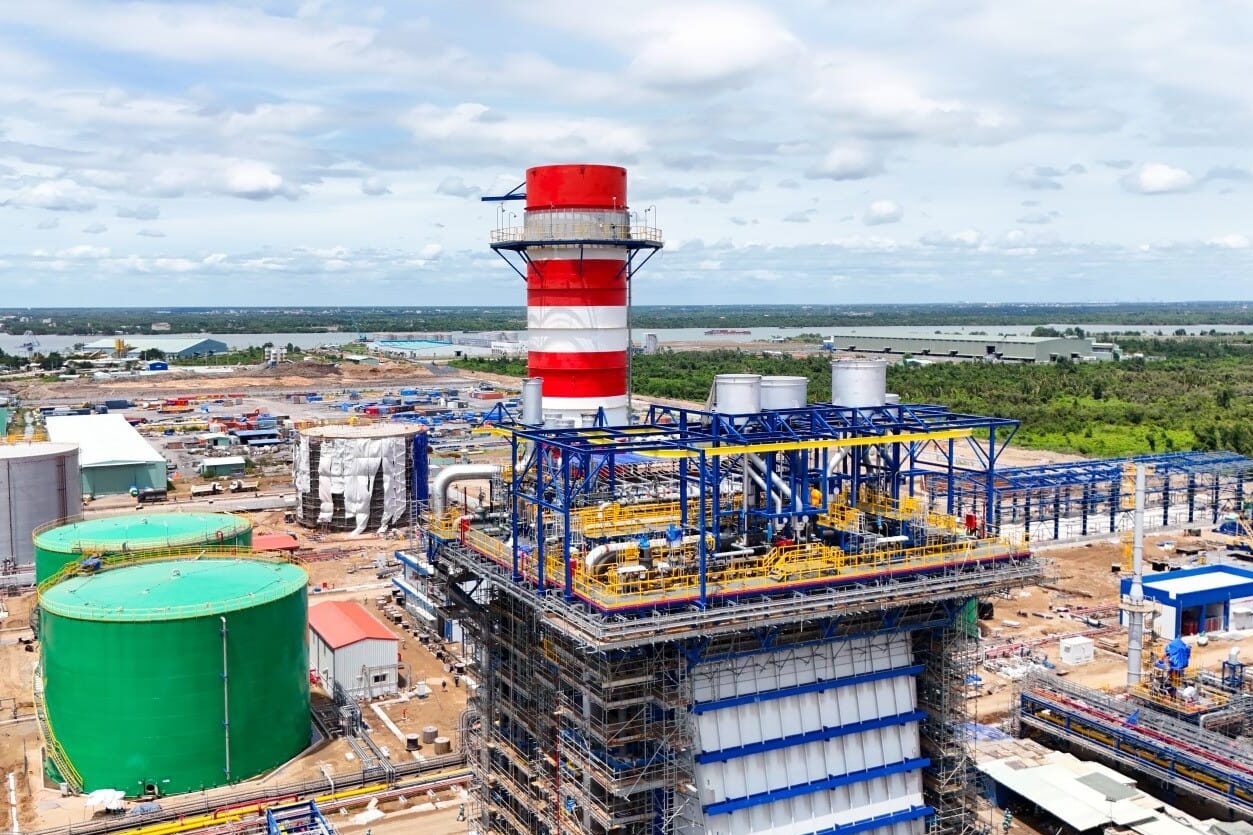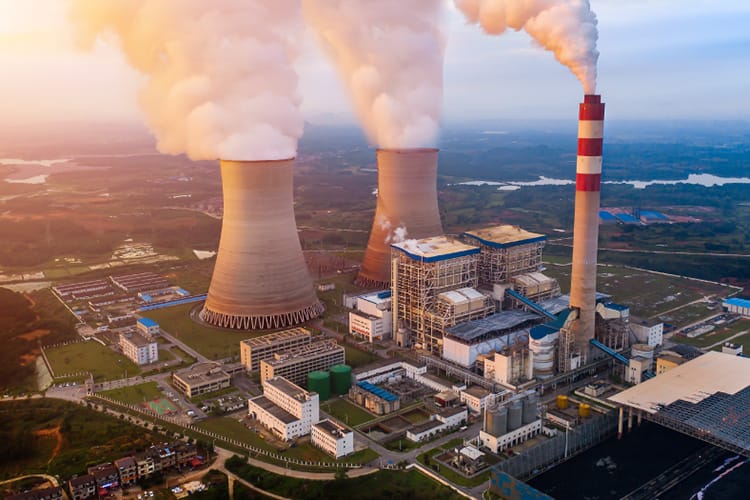
“ASEAN advances civilian nuclear energy with innovations, safety measures, and sustainable power solutions region-wide”
CIVILIAN NUCLEAR ENERGY IN ASEAN
INTRODUCTION
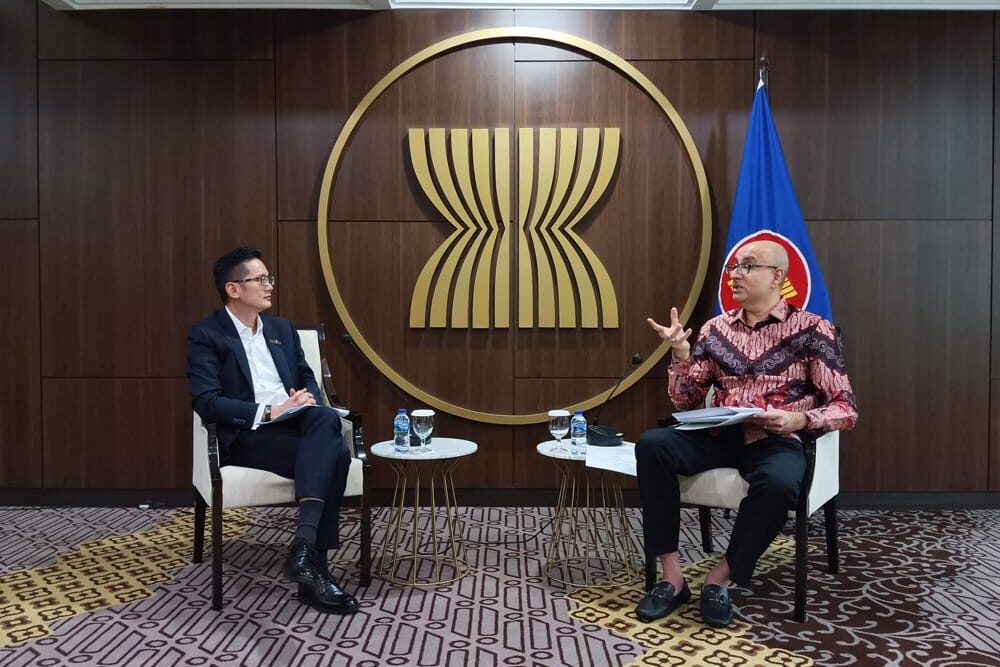
Civilian nuclear energy is emerging as a crucial component of ASEAN’s strategy to meet increasing energy demands sustainably. Recognizing its potential for low-carbon power generation, the Nuclear Energy Cooperation Sub-sector Network (NEC-SSN) was established in 2008 to coordinate ASEAN-wide efforts. This network facilitates information exchange, technical assistance, and capacity-building programs among member states, emphasizing safety, regulation, and public understanding.

Objectives and Strategies
- Capacity Building: NEC-SSN enhances expertise in nuclear science, regulatory frameworks, and emergency preparedness among policymakers and technical experts.
- Public Engagement: Efforts are ongoing to improve public awareness about nuclear power’s benefits, safety measures, and its role in reducing emissions.
- Regional Cooperation: Collaborative research, policy formulation, and training programs are strengthening nuclear technology integration across ASEAN.
Regional Development Highlights
- Philippines: Plans for a 1.2 GW nuclear capacity by 2032, aiming for 4.8 GW by 2050 to meet decarbonization goals.
- Indonesia: Nuclear is a key component of its long-term energy strategy, with the first nuclear power plant operational by 2035.
- Vietnam: Exploring Small Modular Reactors (SMRs) for inclusion in future energy plans.
Future Prospects
The integration of nuclear energy aligns with ASEAN’s broader decarbonization and energy security objectives. NEC-SSN’s efforts, such as introducing advanced technologies like SMRs and enhancing international cooperation, are pivotal for the region’s sustainable energy transition. By 2050, ASEAN’s nuclear power capacity is projected to grow significantly, contributing to regional economic growth and energy resilience.
ASEAN’s nuclear initiatives emphasize robust regulatory frameworks, safety standards, and public trust, ensuring the successful deployment of nuclear technology as a cornerstone of its clean energy future.
(Vn-Industry.)
Source: ASEAN social government
Home page: https://vn-industry.com/