“Vietnam restarts the Ninh Thuan nuclear power project, marking a significant step in the national energy strategy”
Vietnam restarts Ninh Thuan nuclear power project
A Strategic Step in Energy Security
NUCLEAR POWER – A CRUCIAL NATIONAL DECISION
On the morning of February 4, at the second session of the Steering Committee for Nuclear Power Plant Development, the Prime Minister emphasized that nuclear power development is a significant task requiring intensive intellectual and resource concentration. Given its importance, the government will mobilize the entire political system and establish a dedicated task force to support the Steering Committee in implementing the plan effectively.
According to Announcement No. 35/TB-VPCP dated February 7, 2025, summarizing the Prime Minister’s conclusions at the second session, Vietnam Electricity (EVN) will serve as the primary investor for the Ninh Thuan 1 Nuclear Power Plant project. Meanwhile, Petrovietnam will be the main investor for the Ninh Thuan 2 Nuclear Power Plant project. These projects are scheduled for completion by December 31, 2030, with an extension until December 31, 2031, at the latest, in celebration of the country’s key historical milestones.

HUMAN RESOURCE DEMAND AND INTERNATIONAL COOPERATION IN NUCLEAR POWER DEVELOPMENT
To meet the industry’s demands, Vietnam requires approximately 2,400 highly qualified personnel. Thus, Vietnam has proactively sought support from Japan and Russia in training human resources, transferring technology, and financial assistance. Previously, in 2011, EVN negotiated agreements with Japan regarding funding and technology support.
By December 2024, during the 7th session of the Vietnam-Japan Joint Committee, Vietnam requested Japan to reconsider its previous commitments to ensure the most effective support for the project. In response, the Japanese government affirmed its willingness to cooperate, providing advanced technical solutions to help Vietnam rebuild a modern, safe, and sustainable nuclear power system.
MODERN NUCLEAR TECHNOLOGY FROM JAPAN
Japan is one of the leading nations in nuclear technology, particularly with reactor types such as Light Water Reactors (LWR), Boiling Water Reactors (BWR), and Pressurized Water Reactors (PWR).
- Pressurized Water Reactor (PWR): Operates by pumping water through nuclear fuel rods to absorb heat from fission. The water is compressed at high pressure and transfers heat to a secondary system, generating steam to drive turbines and produce electricity. This reactor is highly regarded for its safety and operational stability.
- Boiling Water Reactor (BWR): Water boils directly within the reactor to generate steam that drives the turbine. However, its safety system requires stricter temperature and pressure management compared to PWR.
Additionally, Japan has implemented advanced digital control and monitoring systems to optimize nuclear power plant operations. Japanese engineers use modern simulation models to analyze and predict operational scenarios, enhancing safety and minimizing risks.
RUSSIA’S ACTIVE SUPPORT FOR VIETNAM’S NUCLEAR POWER SECTOR
Alongside Japan, Russia has also pledged strong support for Vietnam’s nuclear power development. On January 13, 2025, at the Government Headquarters, the Prime Minister met with Alexey Likhachev, General Director of Russia’s State Atomic Energy Corporation (Rosatom). During the meeting, Vietnam expressed its desire for closer cooperation with Russia, not only in nuclear power but also in nuclear science and technology research.
According to CNN, Russia currently leads the nuclear energy market, especially in Small Modular Reactors (SMRs). SMR technology is considered superior to traditional nuclear power plants due to its compact design, high efficiency, and energy output up to three times stronger than older systems.
During the design and construction of nuclear power plants, Russia has applied advanced 3D modeling to simulate entire systems, from structures to equipment. This method helps detect technical issues early, allowing for design adjustments before actual implementation, thereby reducing risks and enhancing construction efficiency.
Furthermore, Russian-built nuclear power plants are equipped with modern automated control and monitoring systems. These systems enable remote supervision and management of plant operations, ensuring early detection of irregularities and timely responses to emergencies. With advanced algorithms, incident risks are significantly minimized, ensuring the overall safety of the system.

ECONOMIC AND SOCIAL IMPACTS OF THE PROJECT
Ensuring Energy Security
The development of nuclear power will help Vietnam reduce dependence on fossil fuels such as coal and natural gas. This not only stabilizes electricity prices but also mitigates the effects of fluctuations in fuel import costs.
Boosting Industry and Job Creation
The Ninh Thuan nuclear power project will create thousands of job opportunities for local workers, from the construction phase to operation. Additionally, the nuclear industry will drive the growth of related sectors such as machinery manufacturing, electrical equipment, and infrastructure construction, improving the technical skills of the domestic workforce.
Minimizing Environmental Impact
Compared to coal-fired power plants, nuclear power produces significantly lower greenhouse gas emissions. This aligns with Vietnam’s commitment to reducing carbon emissions and environmental protection. However, nuclear waste disposal remains a critical issue that requires a thorough assessment to ensure absolute safety.
CHALLENGES AND SOLUTIONS
Although nuclear power offers numerous benefits, several challenges must be addressed:
- High Investment Costs: Requires substantial capital and long implementation periods. The solution is to attract international investors and utilize funding from global financial institutions.
- Human Resource Training: Developing a skilled workforce of experts and engineers. The government must strengthen partnerships with experienced countries in this field.
- Nuclear Safety: Advanced technologies and stringent control procedures must be applied to ensure absolute safety.

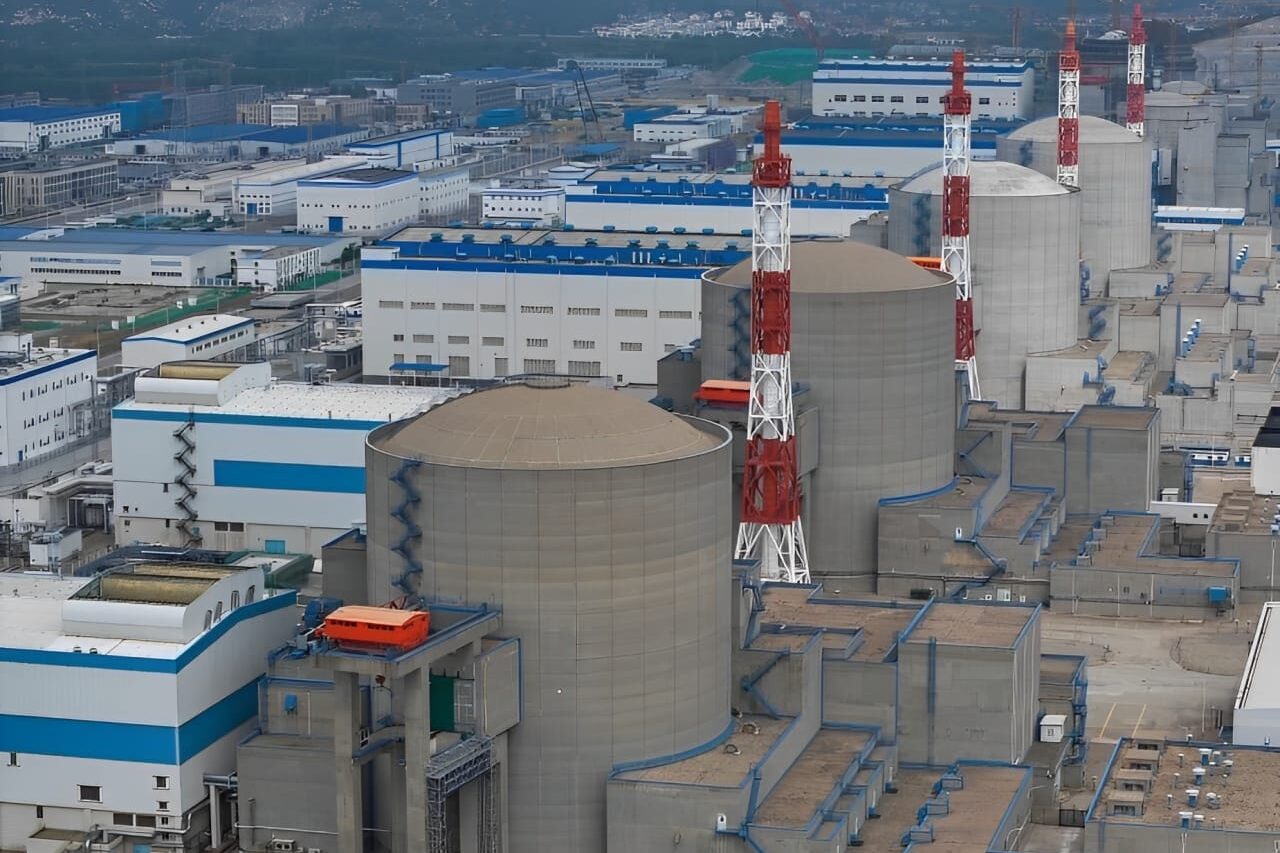
Figure 3: Nuclear Power Plant (Illustration)
CONCLUSION
Vietnam is gradually restarting its nuclear power industry after years of suspension, with active support from Japan and Russia. The development of nuclear power plants not only ensures energy security but also provides opportunities for technological advancement. In the coming years, with close coordination between stakeholders, Vietnam’s nuclear power sector is expected to make significant progress, contributing to sustainable development and the modernization of the national energy industry.
(Vn-Industry.)
Home page: https://vn-industry.com/