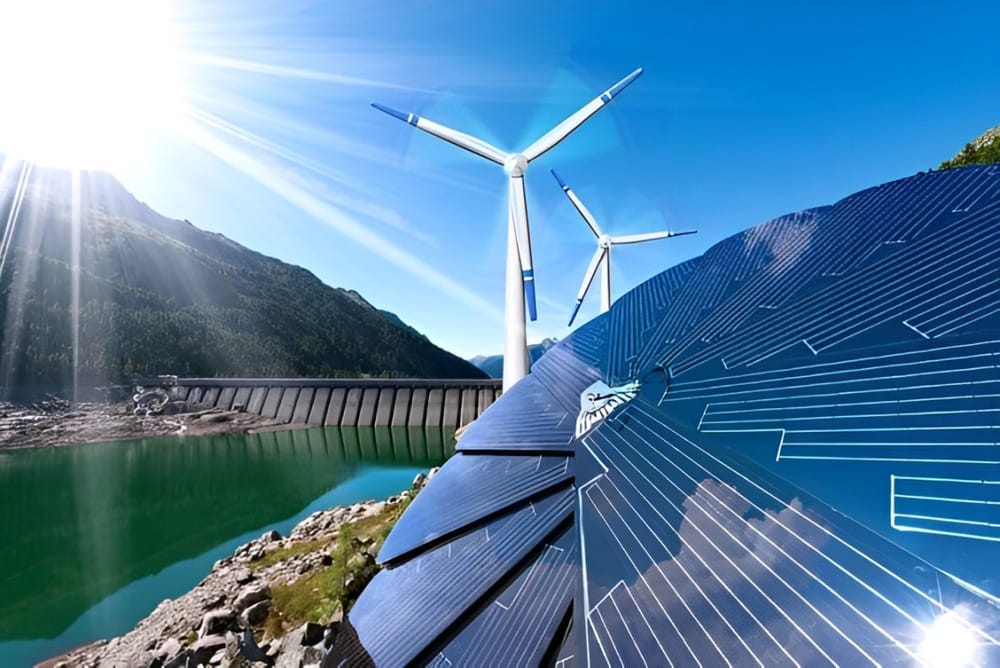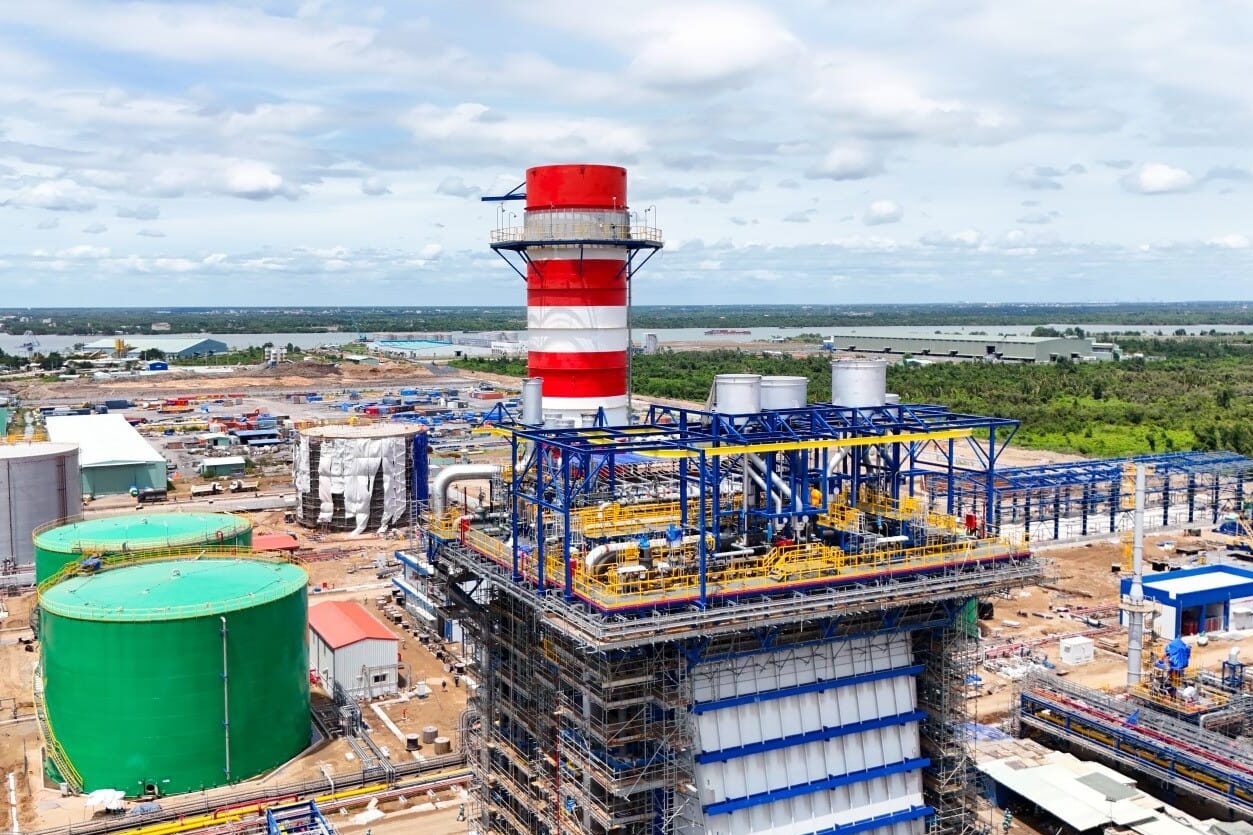
“ASEAN’s green energy transition boosts renewable energy adoption, ensuring sustainable development and enhancing energy security across the region.”
ASEAN’s Green Energy Transition
Challenges, Opportunities, and Pathways for Sustainable Development
INTRODUCTION
The Inevitable Need for Green Energy Development
Amid rising energy demand and severe impacts of climate change, ASEAN’s green energy transition has become an urgent requirement. According to the report “Renewable Energy Production: Opportunities for Southeast Asia,” the renewable energy sector could generate sustainable revenues of $90-100 billion by 2030 and create 6 million jobs by 2050.
ASEAN is currently the fourth-largest energy consumer globally, with fossil fuels accounting for 83% of the total energy structure. Most of this energy is imported, making economies vulnerable to global energy price fluctuations. Furthermore, climate change could reduce the region’s GDP by up to 30% by 2050.
Therefore, transitioning to green energy not only helps reduce emissions but also serves as a strategy to ensure energy security and sustainable economic development.

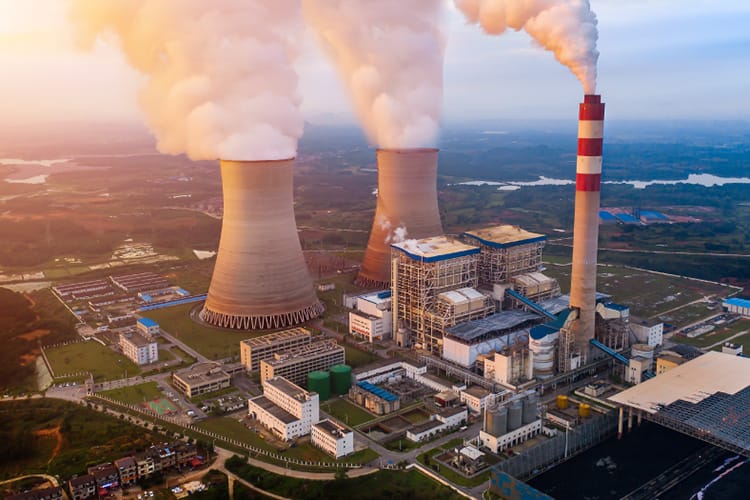
Figure 1: ASEAN’s green energy transition
Efforts in Energy Transition by ASEAN Countries
Several Southeast Asian countries have made significant strides in transitioning to green energy:
- Malaysia aims to achieve 40% renewable energy capacity by 2035, equivalent to 18,000 MW. Currently, renewable energy accounts for about 23% of Malaysia’s total electricity capacity.
- Indonesia has committed that from 2030, all additional electricity capacity will come from renewable energy. By 2049, the country plans to integrate nuclear power plants into the national grid.
- Thailand has installed over 15 GW of renewable energy, accounting for one-third of its current electricity capacity. By 2030, this figure is expected to reach 63 GW, representing 39% of the total electricity market share.
- Vietnam is a regional standout, with solar power capacity reaching 16.5 GW and wind power capacity at 4 GW by the end of 2021. Currently, renewable energy accounts for about 27% of the installed capacity and 12% of electricity production.
However, across the entire region, renewable energy accounted for only 14% in 2020. The goal is to increase this figure to 23% by 2025 while meeting the growing energy demand.
The Role of Renewable Energy in Combating Climate Change
As global efforts to reduce emissions accelerate, renewable energy plays a critical role in achieving carbon neutrality. According to the International Energy Agency (IEA), global renewable energy production will increase by more than 440 GW in 2023, bringing the total capacity to 4,500 GW. The primary drivers are the widespread deployment of solar power systems and wind energy.
Additionally, the IEA reports that out of $2.8 trillion in global energy investments in 2023, more than $1.7 trillion will be allocated to renewable energy, electric vehicles, and smart grids. Southeast Asia is expected to become one of the leading regions in global renewable energy production.
Helen Mountford, Executive Director of ClimateWorks, stated that ASEAN has the potential to become a top renewable energy producer due to its vibrant business environment and abundant workforce.

Figure 2: ASEAN’s green energy transition
Economic Benefits and Job Creation from Renewable Energy
Transitioning to renewable energy not only reduces emissions but also brings numerous economic benefits:
- By 2050, renewable energy is projected to create 6 million new jobs in the region.
- ASEAN could save up to $160 billion in energy costs by 2050 by switching to renewable energy sources.
- Developing renewable energy also reduces reliance on imported energy, contributing to energy security.
Challenges in Green Energy Transition
Despite its vast potential, ASEAN’s green energy transition faces several challenges:
- Limited investment capital for renewable energy projects.
- Grid infrastructure that cannot meet the demand for integrating renewable energy sources.
- Inconsistent support policies and incentives among countries in the region.
According to the International Renewable Energy Agency (IRENA), ASEAN needs to double its annual investment in renewable energy production, reaching $29.4 trillion by 2050 to achieve 100% renewable energy production.
Solutions to Promote Green Energy Transition
To achieve sustainable development goals, ASEAN needs to focus on the following solutions:
- Increase investment in renewable energy, particularly solar, wind, and biofuels.
- Develop a unified grid system connecting countries in the region to optimize renewable energy supply.
- Harmonize technical standards for electric vehicles and charging stations to boost the electric vehicle market.
- Encourage public-private partnerships in renewable energy projects

Figure 3: ASEAN’s Green Energy Transition
Future Pathways for ASEAN’s Sustainable Energy
ASEAN’s green energy transition is not only a solution to ensure energy security but also a driver for sustainable economic growth. Through increased investment, regional cooperation, and technological applications, ASEAN has the potential to become a leading region in global renewable energy production.
CONCLUSION
The green energy transition is an inevitable trend that helps ASEAN ensure energy security, reduce emissions, and promote economic growth. With significant potential and strong commitments from member states, the region can play a vital role in the global fight against climate change. However, to achieve this goal, ASEAN needs to strengthen cooperation, investment, and supportive policy development to create favorable conditions for the renewable energy sector’s growth.
(Vn-Industry.)
Source: Compiled
Home page: https://vn-industry.com/