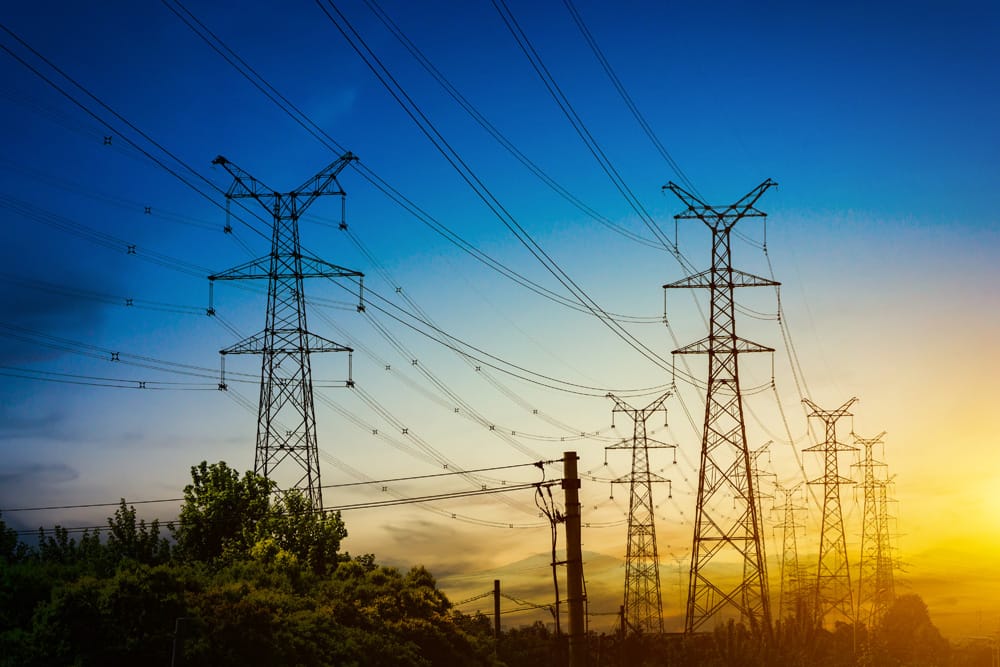
“The development of smart grids in Thailand, Singapore, and Malaysia is becoming the backbone of energy transformation in ASEAN, enabling better distribution, renewable integration, and digital energy management.”
Smart Grid Infrastructure in ASEAN: How Thailand, Singapore, and Malaysia Are Leading the Digital Energy Shift
🌐 Why Traditional Power Grids Are No Longer Sufficient
In the context of rising electricity demand and the global push for clean energy, traditional one-way electricity grids are increasingly inadequate. They cannot adapt to real-time energy flows, nor can they efficiently absorb distributed sources like solar and wind energy.
This is why smart grid infrastructure has emerged as a vital solution, enabling load balancing, system automation, and digital monitoring to optimize performance.

🔌 What Is a Smart Grid and Why Does It Matter?
A smart grid is an electricity network enhanced with technologies such as IoT, AI, sensors, and real-time data analytics. These systems allow for two-way communication between utilities and users, improve efficiency, and enable integration of renewable sources.
Unlike traditional systems, smart grids allow prosumers (producers + consumers) to contribute energy back to the grid — especially useful with solar panels, battery storage, and electric vehicles.

🌏 Smart Grid Development in ASEAN

🔧 Thailand
Thailand is among the first Southeast Asian countries to pilot smart grid projects in Chiang Mai, Phuket, and the Map Ta Phut industrial zone.
Its government has introduced the “Smart Grid Roadmap 2015–2036”, aiming for full automation of the electricity distribution system. Key programs like Advanced Metering Infrastructure (AMI) are being expanded to help users monitor consumption in real time.
🔧 Singapore
Singapore is investing heavily in a digitized energy ecosystem. The national grid includes Distribution Management Systems (DMS), a centralized Energy Data Hub, and smart storage solutions.
In addition, Singapore supports peer-to-peer energy trading using blockchain, enabling citizens to sell excess solar power back to neighbors or the grid, making energy markets more open and competitive.
🔧 Malaysia
Malaysia is pushing forward with its “Grid of the Future” initiative. Over 1 million smart meters have been installed in Kuala Lumpur and Selangor by Tenaga Nasional Berhad (TNB).
Malaysia also focuses on cybersecurity for smart grids, ensuring that digital energy infrastructure is protected from attacks as cloud computing and data systems become more connected.
⚙️ Benefits of Smart Grid Infrastructure
-
⚡ Reduces transmission losses and improves grid efficiency
-
📊 Enables real-time monitoring and dynamic load management
-
🌱 Facilitates renewable energy integration and energy storage
-
🔐 Enhances data security and grid resilience
-
💡 Empowers consumers to monitor and manage energy usage

📌 Conclusion: Smart Grids Are the Backbone of Energy Transition
Thailand, Singapore, and Malaysia are paving the way for clean, reliable, and digitally enabled energy systems. Investing in smart grid infrastructure is not optional — it is a strategic imperative for Southeast Asia to meet future energy demands while achieving sustainability goals.
As energy consumption grows and climate concerns intensify, smart grids enable real-time monitoring, decentralized power generation, and seamless integration of renewables. For ASEAN nations, accelerating smart grid development means building a resilient, future-ready energy landscape that benefits both economies and the environment.
(Vn-Industry)
Source: Compilation
Homepage: https://vn-industry.com