“A strong Financial Ecosystem fosters green finance, drives sustainable development, and strengthens regional cooperation among ASEAN, China, and Gulf nations.”
Prime Minister Proposes ASEAN – China – Gulf Financial Ecosystem
A new driving force for trilateral regional cooperation
INTRODUCTION
Context and Significance of the Kuala Lumpur Summit – May 27, 2025
-
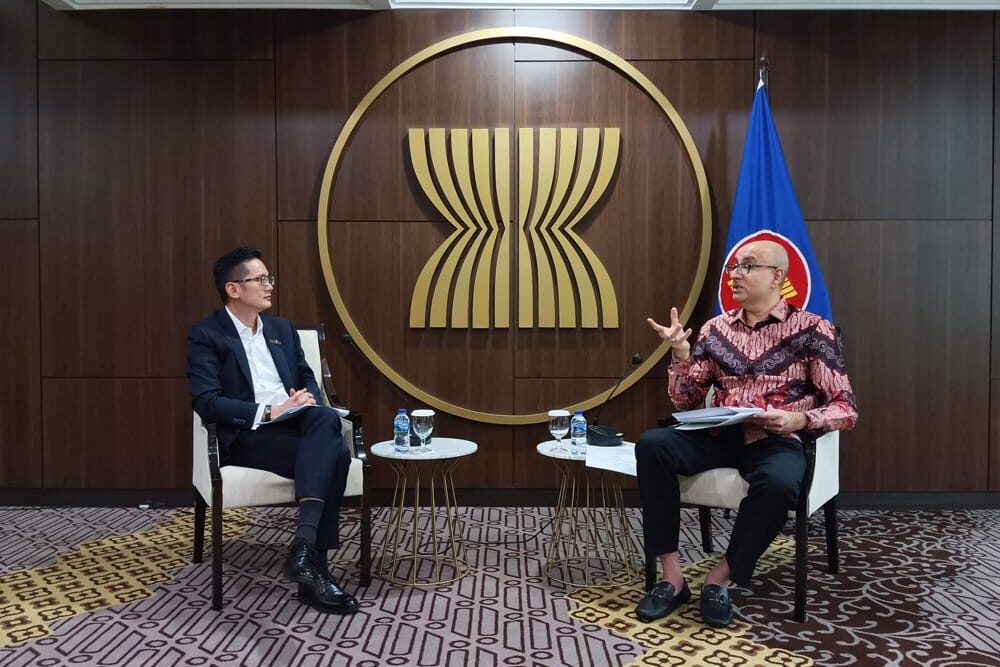
This marks the first time ASEAN, GCC, and China have come together in a trilateral summit, following two separate meetings: ASEAN–GCC (2023) and ASEAN–China.
-
These three blocs represent a combined GDP of ~USD 24.87 trillion and 2.15 billion people – about 25% of global GDP and nearly 30% of the world’s population.
-
In the face of global supply chain disruptions, geopolitical tensions, and the need for green transformation, this trilateral cooperation mechanism is emerging as a new runway for growth.
 Figure 1: ASEAN–GCC–China Summit in Kuala Lumpur
Key Highlights from Prime Minister Pham Minh Chinh’s Proposal
| Pillar | Proposal Details | Potential Benefits |
|---|---|---|
| Integrated financial hubs network | Connect HCMC, Hanoi, Bangkok, Singapore with Shanghai, Dubai, Riyadh & Kuala Lumpur into a “fintech corridor” | Flexible capital flows, unified fintech sandbox, shared KYC–AML data |
| Secure & sustainable digital space | Leverage the upcoming ASEAN Digital Economy Framework Agreement to expand toward GCC & China | Cross-border e-commerce expected to reach ~USD 600 billion/year by 2030 |
| Supply chains & trilateral FTA | Initiate feasibility study for ASEAN–GCC–China Free Trade Agreement | Reduce tariffs, unify rules of origin, minimize “dual compliance” costs |
| Sustainable energy & agriculture | Link ASEAN power grid with UAE–Saudi green hydrogen hubs; develop circular & Halal agriculture | Strengthen energy security, access USD 2.4 billion Halal market |
| Green finance infrastructure | Establish a joint investment fund (Green Growth Fund) issuing Sharia-compliant green bonds | Mobilize low-cost capital for clean energy and green transport projects |
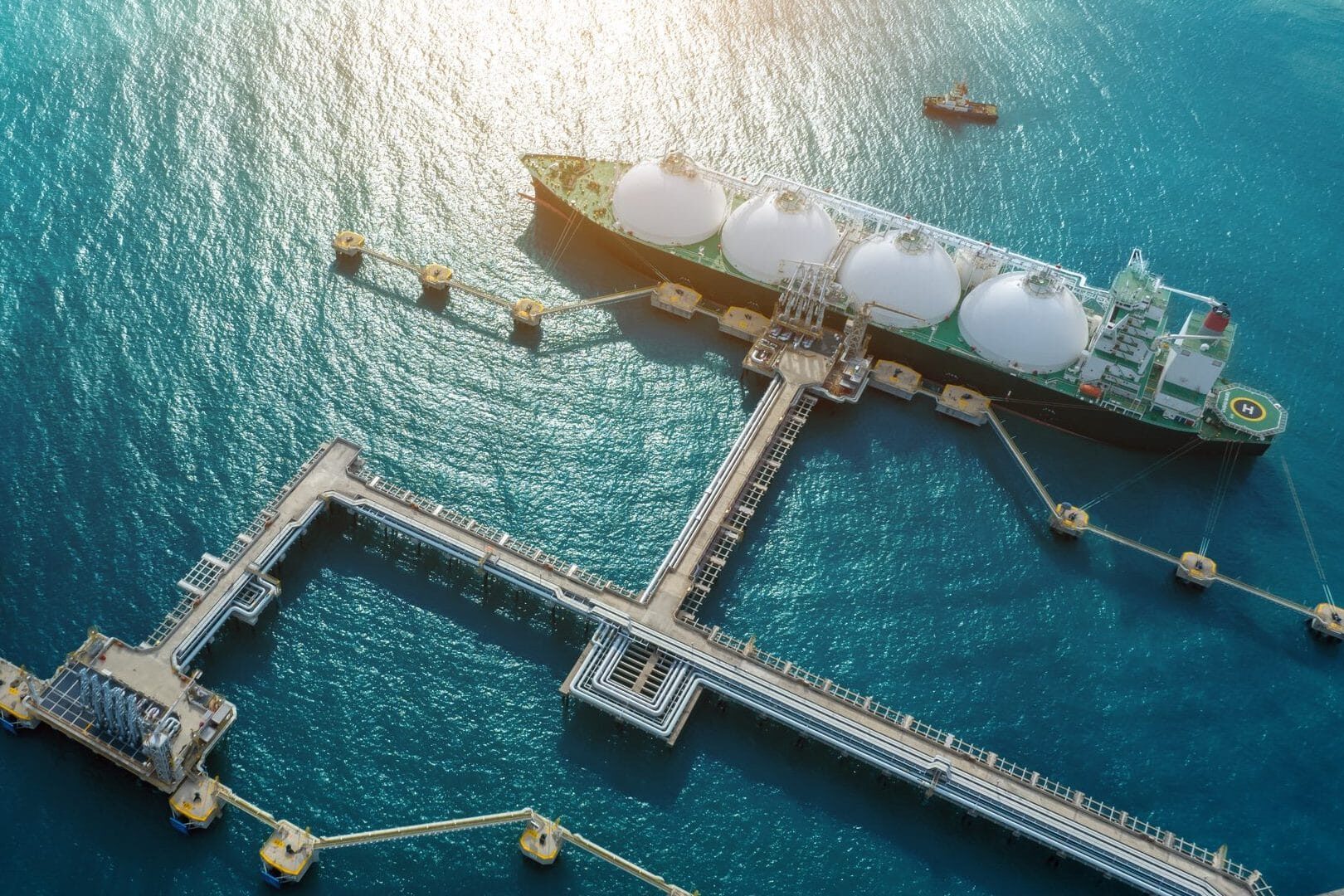
 Figure 2: Financial connectivity map between ASEAN, China, and the Gulf
Is the idea of a financial ecosystem the key launchpad?
-
Low-cost, long-term capital from GCC pension funds and Chinese investment banks could fill ASEAN’s $210 billion infrastructure gap by 2030.
-
Deepening local currency markets: regional currency liquidity links help ASEAN SMEs access financing in VND, THB, IDR instead of USD.
-
Common ESG standards: harmonize climate risk assessments for loan projects and pave the way for local-currency green bonds.
Strategic Benefits for Vietnam
-
HCMC as the Mekong Region’s capital gateway: ASEAN–GCC bond depository to be located in the Thu Thiem Financial District.
-
Exporters to benefit from trilateral FTA: 0% tariffs on seafood, textiles, and Halal products.
-
Fintech & AI startups gain from a unified sandbox, tapping into a Muslim consumer base of ~700 million people.
-
Green agriculture: cooperation with Saudi Arabia and the UAE on desalination, desert agriculture technology transfer to the Mekong Delta.
Challenges & Implementation Recommendations
| Challenges | Recommendations |
|---|---|
| Divergent legal and accounting standards | Establish a Financial Standards Working Group to align IFRS and AAOIFI standards |
| Exchange rate volatility & hot capital flows | Create a Tri-Regional Swap Arrangement based on the CMIM model |
| Concerns over digital protectionism | Sign a Cross-border Data Protection Agreement aligned with the ASEAN Digital Economy Framework |
| ESG standard inconsistencies | Issue a Joint ASEAN–GCC–China Green Taxonomy to prevent greenwashing |
CONCLUSION
The proposal by Prime Minister Pham Minh Chinh lays the foundation for an ASEAN–China–Gulf financial ecosystem — a “three-legged” structure that enables:
- Mobilization of Gulf capital, Chinese technology, and ASEAN markets.
- Increased resilience to geopolitical shocks and acceleration of green and digital transformation.
- A historic opportunity for Vietnam to become a financial, logistics, and supply chain hub in Greater Asia.
Thus, the Kuala Lumpur Summit is not merely a platform for ideas, but a call to action: the three regions must promptly outline roadmaps, form working groups, and establish legal mechanisms to turn vision into reality — launching a new phase of inclusive and sustainable growth.
(Vn-Industry)
Source: Compilation
Home page: https://vn-industry.com