Vietnam – A hub for sustainable energy transition in Southeast Asia
Potential
INTRODUCTION
Renewable Energy Potential Driving the Energy Transition
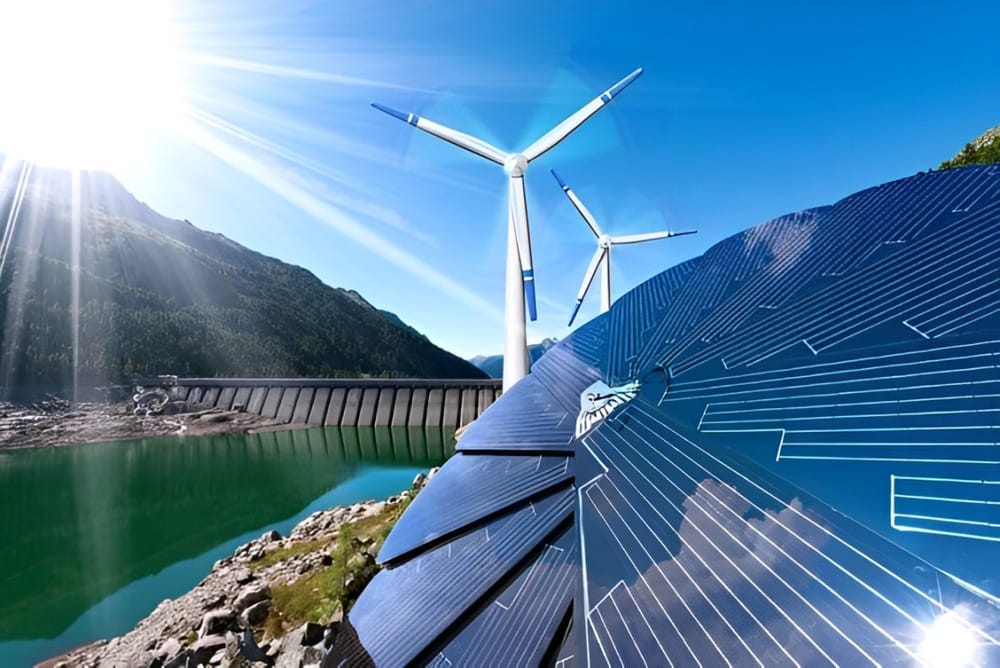
Vietnam is gradually establishing itself as a central player in the energy transition process of Southeast Asia. With abundant potential for wind and solar power, along with supportive government policies, Vietnam is becoming an attractive destination for clean energy investors. According to the International Renewable Energy Agency (IRENA), by 2023, the total installed solar power capacity in Vietnam reached 17 GW. This figure is double the total solar capacity of all ASEAN countries combined, positioning Vietnam as a regional leader in renewable energy development.
Additionally, Vietnam has significant offshore wind potential, estimated to be between 160 GW and 200 GW. According to the World Bank, Vietnam is among the countries with the highest potential for offshore wind energy development globally. This presents a crucial opportunity for Vietnam to accelerate its energy transition and reduce carbon emissions in the coming years.

The Cam Lam – Vinh Hao expressway runs across the area designated for wind and solar power projects in Ninh Thuan province.
High Investment Needs for the Energy Transition
Despite its abundant potential, the energy transition in Vietnam requires strong investment from both the public and private sectors. According to Ms. Kitty Bu, Vice President for Southeast Asia at GEAPP, Vietnam needs about USD 135 billion to achieve its renewable energy goals by 2030. This figure could rise to between USD 364 billion and USD 511 billion from 2031 to 2050 to ensure sustainable development and maintain national energy security.
This investment will not only focus on developing wind and solar power projects but will also include:
- Modernizing the national power grid
- Deploying energy storage systems (BESS)
- Upgrading power transmission infrastructure
- Developing energy efficiency solutions
Investing in energy storage systems like BESS will help Vietnam optimize the performance of renewable energy sources while reducing dependence on fossil fuels during peak demand periods.
International Commitments and Investment Cooperation
Vietnam is receiving support from various organizations and countries in its energy transition process. One important initiative is the Just Energy Transition Partnership (JETP) Agreement, under which Vietnam is committed to mobilizing up to USD 15.5 billion from international partners such as the UK, the US, and the European Union (EU). This investment will be used to develop renewable energy and reduce dependence on coal, with the aim of achieving net-zero emissions by 2050.
According to Alexandra Smith, the British Consul General in Ho Chi Minh City, Vietnam is establishing itself as a regional leader in sustainable development. The UK is committed to supporting Vietnam in mobilizing finance and sharing technology to drive the energy transition.
In addition to the UK, the Netherlands is also an important partner for Vietnam in the renewable energy sector. The Netherlands is currently investing in wind farms in Tra Vinh, worth a total of EUR 17 million (USD 17.86 million). Additionally, the Netherlands is supporting solar energy projects in industrial zones where many Dutch companies are based.
France is also actively participating in Vietnam’s renewable energy market. The company Green Yellow, operating in Vietnam since 2020, has installed 1.2 million m² of solar panels, providing energy to 8,300 homes annually and helping reduce CO2 emissions by 147,000 tons, equivalent to planting 3.3 million trees.

The Cam Lam – Vinh Hao expressway runs across the area designated for wind and solar power projects in Ninh Thuan province.
Green Job Opportunities for the Community
The energy transition not only helps reduce emissions but also creates job opportunities for local communities. According to the World Economic Forum (WEF), the Asia-Pacific region could generate 14.2 million green jobs by 2030. In Vietnam, renewable energy projects such as wind, solar, and battery storage systems have already created thousands of jobs in areas such as:
- Construction and installation of energy systems
- Operation and maintenance of renewable energy plants
- Management and monitoring of energy storage systems
- Research and development of clean technologies
Ms. Kitty Bu stated that renewable energy projects not only contribute to infrastructure upgrades but also provide sustainable job opportunities, particularly for low-income communities in Vietnam.
Sustainable Development Vision
The Vietnamese government has introduced numerous policies to promote energy transition and sustainable development. Key initiatives include:
- The National Green Growth Strategy for 2021-2030
- The 8th Power Plan
- The JETP Cooperation Agreement
- Development of energy storage systems (BESS)
Strengthening public-private partnerships, mobilizing green finance, and reforming policies will help Vietnam fully harness its renewable energy potential while achieving the goal of net-zero emissions by 2050.
CONCLUSION
Vietnam is gradually asserting itself as a central hub in Southeast Asia’s energy transition. With abundant renewable energy potential and support from international partners along with a strong government commitment, Vietnam has the opportunity to become a pioneering model for sustainable development. However, to achieve the goal of net-zero emissions by 2050, Vietnam must intensify investment attraction, modernize energy infrastructure, and promote public-private cooperation. This transition process will not only ensure energy security but also create numerous green jobs, contributing positively to economic development and long-term environmental protection.
(Vn-Industry.)
Source: Compilation
Home page: https://vn-industry.com/