Southeast Asia’s economy faces challenges in 2025
Opportunities and Challenges in a Turbulent Landscape
INTRODUCTION
Southeast Asia’s economy enters 2025 with a mix of opportunities and challenges. After an impressive recovery in 2024, the region is expected to continue growing. However, external and internal uncertainties may slow down this progress. Governments and businesses must be well-prepared to overcome upcoming obstacles.
Economic Growth Post-Pandemic
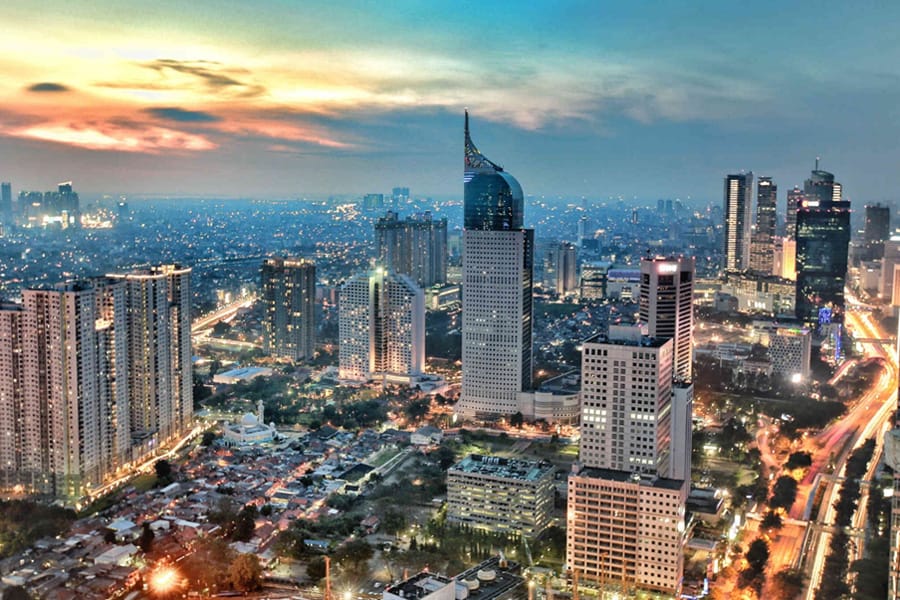
According to the Asian Development Bank (ADB), Southeast Asia’s economy grew by 4.5% in 2024 and is projected to reach 4.7% in 2025. Countries such as the Philippines, Vietnam, and Cambodia are among the fastest-growing economies in the region. The main growth drivers include a strong recovery in domestic demand and exports.
The region’s four largest economies—Indonesia, Malaysia, Thailand, and the Philippines—have returned to pre-pandemic growth levels. Meanwhile, the CLM group (Cambodia, Laos, Myanmar) is experiencing slower but steady growth. Private consumption in major economies like Indonesia, Vietnam, and Malaysia continues to expand, supported by stable prices and a recovering tourism sector.
Recovery in Goods Exports and the Electronics Industry
Southeast Asia’s goods exports saw significant growth in 2024 due to rising demand from major economies like the U.S. In particular, increasing demand for artificial intelligence (AI) chips has boosted the region’s electronics and semiconductor industries. This sector is expected to continue playing a crucial role in economic growth in 2025.
Additionally, manufacturers in the region are benefiting from the restructuring of global supply chains. Countries such as Vietnam, Malaysia, and Thailand have attracted foreign direct investment (FDI) in mid- and high-tech industries, enhancing production capacity.
Strong Recovery in Tourism
Southeast Asia’s tourism sector showed significant recovery in 2024 as international visitor numbers surged. Some countries, including Thailand, Singapore, and Malaysia, recorded tourist arrivals exceeding pre-pandemic levels. The return of Chinese tourists played a key role in this revival. The tourism industry is expected to fully recover soon, further driving economic growth in many countries in the region.
Challenges from Geopolitical and Trade Conflicts
Despite positive growth prospects, Southeast Asia’s economy still faces risks from geopolitical tensions and global trade conflicts. The escalating U.S.-China trade dispute could disrupt supply chains and negatively impact exports. If new protectionist trade measures are implemented, production costs and commodity prices may rise, reducing the competitiveness of businesses in the region.
Furthermore, conflicts in the Middle East and Ukraine could disrupt energy supplies, exerting pressure on prices and slowing economic growth.
Risks from Climate Change
Climate change remains a long-term challenge affecting Southeast Asia’s economic outlook. Natural disasters such as floods, droughts, and tropical storms are becoming more frequent and severe. Estimates suggest that climate change could reduce up to one-third of the region’s GDP by 2050. Poorer countries like Cambodia, Laos, and Myanmar will be more severely affected due to their heavy reliance on agriculture and fisheries.
Challenges from the Pace of Technological Transformation
The rapid development of digital technology and AI offers opportunities for productivity growth but also presents challenges. Automation could replace millions of low-skilled jobs, increasing income inequality. Estimates indicate that around 50% of low-skilled jobs in the region are at risk of being replaced within the next decade.
Governments need to implement retraining and upskilling programs to mitigate the negative impact of technological transformation. At the same time, developing digital infrastructure and expanding technology access are key factors in reducing the technological gap among countries in the region.
Demographic Challenges
The aging population poses a long-term issue for Southeast Asia’s economy. While countries like Vietnam, Thailand, and Malaysia are experiencing a declining workforce, CLM nations still have a young and growing labor force. The liberalization of the labor movement within the region could help balance labor supply and demand, contributing to economic growth.
CONCLUSION
Southeast Asia’s economy is expected to continue growing in 2025 but will face complex challenges. Factors such as trade conflicts, climate change, and technological transformation will significantly impact long-term economic prospects. To overcome these challenges, countries in the region must adopt flexible policies and promote investment in technology, education, and sustainable development.
Enhancing regional and international cooperation will play a crucial role in ensuring sustainable and stable economic growth in the future.
(Vn-Industry.)
Source: Compiled
Home page: https://vn-industry.com/