“Singapore accelerates carbon neutrality in electricity with green electricity imports and low-carbon fuel transition.”
Singapore expands ASEAN cooperation to promote carbon neutrality in the electricity sector
Developing sustainable energy
INTRODUCTION
Singapore is actively enhancing cooperation with ASEAN countries to accelerate carbon neutrality in the electricity sector. Through green electricity import agreements, cross-border grid expansion, and a shift to renewable energy sources, Singapore aims to reduce carbon emissions, promote sustainable development, and strengthen its position as a clean energy hub in the region.

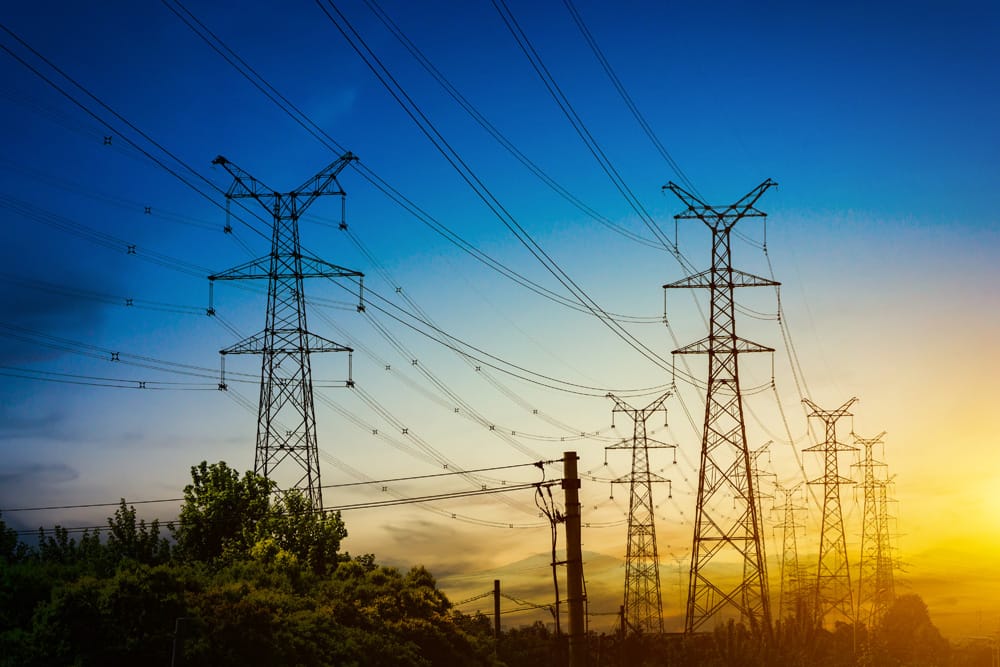
Figure 1: Clean energy projects in Singapore will drive ASEAN towards a greener electricity grid in the future.
Increasing green electricity imports from ASEAN countries
According to The Business Times, Singapore is boosting green electricity imports from ASEAN countries such as Laos, Malaysia, Cambodia, Indonesia, and Vietnam. This initiative is part of Singapore’s decarbonization efforts to achieve carbon neutrality by 2050.
Jonathan Goh, Director of External Relations at the Energy Market Authority (EMA), stated that Singapore aims to meet one-third of its national electricity demand through imported green electricity by 2035. This plan is expected to significantly reduce carbon emissions, as electricity generation accounts for 40% of Singapore’s total carbon emissions.
Singapore began importing 100 MW of hydropower from Laos in June 2022 via grids in Thailand and Malaysia. By September 2022, Malaysia officially supplied electricity to Singapore, raising the import capacity to 200 MW. Additionally, EMA has granted conditional approval for projects importing a total of 5,600 MW of low-carbon electricity from Cambodia, Indonesia, and Vietnam in the coming years.
Expanding green electricity imports not only reduces Singapore’s reliance on fossil fuels but also promotes regional grid interconnection, contributing to the development of a sustainable ASEAN electricity market.
Developing cross-border electricity grids
Singapore is implementing cross-border grid connection projects to enhance renewable energy supply in the region. One notable project is the plan to import solar power from Australia via a 4,300 km submarine cable. This project will provide Singapore with a stable clean energy source and establish a long-term regional energy cooperation model.
Jonathan Goh noted that Singapore’s growing demand for green electricity is creating investment opportunities for energy companies, especially in electricity transmission and energy storage. Singapore expects to attract Chinese companies to develop energy infrastructure projects, boosting ASEAN grid connectivity and accelerating carbon neutrality.
Transitioning to low-carbon fuels
Currently, approximately 95% of Singapore’s electricity is generated from natural gas. However, the country is gradually transitioning to low-carbon fuels, such as hydrogen and ammonia, to reduce greenhouse gas emissions. Since 2023, all newly built and refurbished natural gas power plants in Singapore are required to be at least 30% hydrogen-compatible.
Additionally, Singapore is seeking international partnerships to develop low-carbon fuel supply chains. On November 7, EMA signed a memorandum of understanding with PetroChina International to explore cooperation opportunities in liquefied natural gas supply chains and joint fuel procurement.
The transition to low-carbon fuels not only helps reduce emissions but also ensures long-term energy security amid growing energy demand.
Key role in regional electricity trade
Despite meeting only 5% of ASEAN’s energy demand, Singapore plays a central role in regional electricity trade innovation. Courtney Weatherby, Deputy Director of the Southeast Asia Program at the ISEAS – Yusof Ishak Institute, said Singapore’s electricity trade agreements are fostering new ideas, such as high-voltage submarine cables connecting directly to Cambodia, Indonesia, and Vietnam.
A DNV study suggests that ASEAN could save up to $800 billion by 2050 through increased multilateral electricity trade and efficient renewable energy exploitation. The study also indicates that expanding regional electricity trade could reduce land use for power projects by 13%, helping protect the environment and optimize resource utilization.
Singapore’s consideration of social and environmental impacts in electricity trade agreements is shaping sustainable clean energy projects in ASEAN.
Prospects for cooperation and sustainable development
In the future, Singapore will continue to strengthen its cooperation with ASEAN countries to expand its green electricity trade. This cooperation will not only help Singapore achieve carbon neutrality but also promote a sustainable energy transition across the region.
Expanding cross-border grids, developing low-carbon fuel supply chains, and enhancing international cooperation are laying the foundation for a closely interconnected, low-emission ASEAN energy market.

CONCLUSION
Singapore’s efforts to enhance green energy cooperation with ASEAN countries are bringing positive changes to the region. Through green electricity import agreements, cross-border grid development, and a shift to low-carbon fuels, Singapore is not only reducing carbon emissions but also promoting sustainable development in ASEAN.
By setting strict environmental and social criteria in electricity trade agreements, Singapore is laying the groundwork for a sustainable clean energy ecosystem, contributing to ASEAN’s goal of carbon neutrality by 2050.
(Vn-Industry.)
Source: Compiled
Home page: https://vn-industry.com/