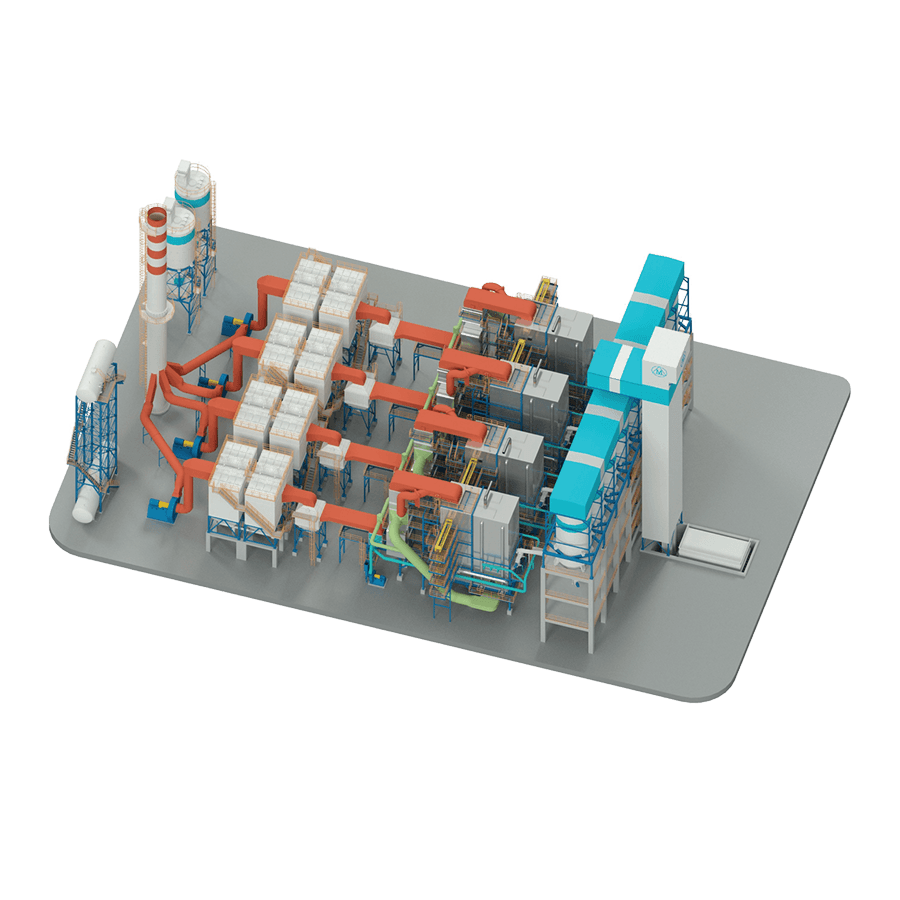
“CHP systems optimize textile industry efficiency, reduce costs, enhance production, and support sustainability by utilizing waste heat effectively.”
Maximizing efficiency with combined heat and power (CHP) in the textile industry
Applications and Key Benefits
OVERVIEW
Combined heat and power (CHP) systems are revolutionizing energy efficiency in the textile sector. With thermal energy consumption comprising 60-70% of the total energy used in textile plants, processes like dyeing, washing, and drying demand significant energy resources.
CHP systems capitalize on waste heat from electricity generation to produce steam, significantly enhancing energy efficiency and reducing costs. This innovative approach accelerates production and optimizes resource utilization.

The Importance of Steam and Electricity in Textile Manufacturing
Energy-intensive equipment, such as dyeing machines, fabric dryers, and spinning tools, depends on steam for various operations. Essential applications include:
- Dyeing, Bleaching, and Boiling: Steam at high pressure ensures precise temperatures.
- Fabric Drying: This crucial stage consumes substantial energy to achieve rapid drying.
- Thermal Applications: Machines like calenders and dryers operate effectively with adequate heat.

Energy Conservation through CHP Systems
CHP systems enhance energy efficiency and support environmental goals by:
- Recovering waste heat from production processes.
- Incorporating renewable energy technologies, including solar power.
- Streamlining boiler performance for maximum output.

ADVANTAGES OF IMPLEMENTING CHP SYSTEMS
The adoption of CHP technology offers distinct benefits, such as:
- Lower Energy Bills: Repurposing thermal waste cuts energy costs by 15-30%.
- Superior Efficiency: With efficiencies reaching 75-80%, CHP systems surpass traditional energy systems.
- Eco-Friendly Operations: Substantial CO₂ emission reductions align with global environmental standards.

CRITICAL CONSIDERATIONS FOR CHP IMPLEMENTATION
Before investing in CHP systems, textile manufacturers should assess:
- Energy Needs: Facilities with high steam consumption achieve optimal returns.
- Plant Size: Larger operations experience more significant cost benefits.
- Policy Support: Government initiatives for energy efficiency can expedite the return on investment.
CONCLUSION
CHP systems represent a transformative approach for the textile industry, combining energy efficiency with environmental responsibility. By adopting these systems, manufacturers can lower costs, enhance production, and contribute to sustainability goals. This strategic upgrade paves the way for a greener and more efficient textile future.
-> To improve cogeneration system performance, see the article.
Back to home page: https://nangluongthanhcong.com/