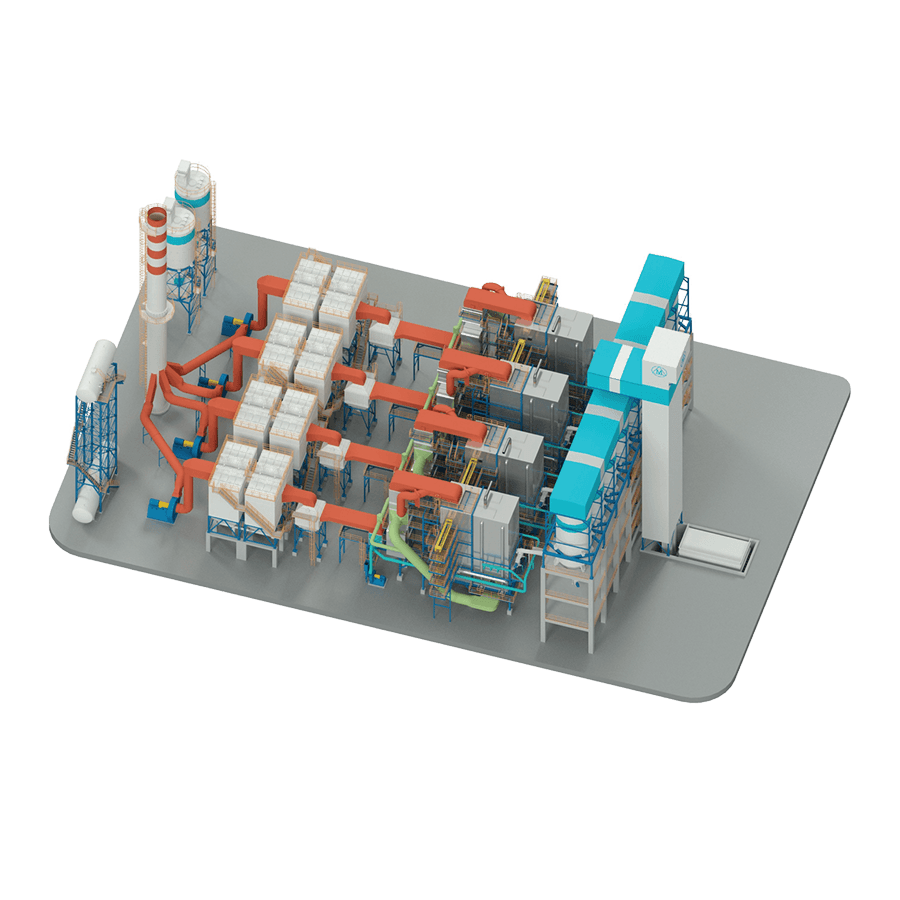
“Peristaltic pump provides precise, gentle fluid handling with chemical compatibility, ensuring safe, accurate dosing critical for boiler system efficiency.”
Peristaltic pump
A peristaltic pump offers precise and gentle fluid handling, chemical compatibility, reliability, and safety. These qualities make them suitable for accurately dosing chemicals and additives. This precision is critical to the efficient and safe operation of boiler systems.
INTRODUCTION OF PERISTALTIC PUMP
A peristaltic pump, also known as a tubing pump, is a type of positive displacement pump used for moving fluids. It operates on the principle of peristalsis, which is the rhythmic contraction and relaxation of muscles to push substances through a tube or a cavity. In a peristaltic pump, this concept is replicated using a flexible tube or hose that is squeezed or compressed by rollers or shoes, creating a series of isolated chambers within the tube. As these rollers or shoes move along the length of the tube, they squeeze the fluid within the tube, forcing it to move forward.
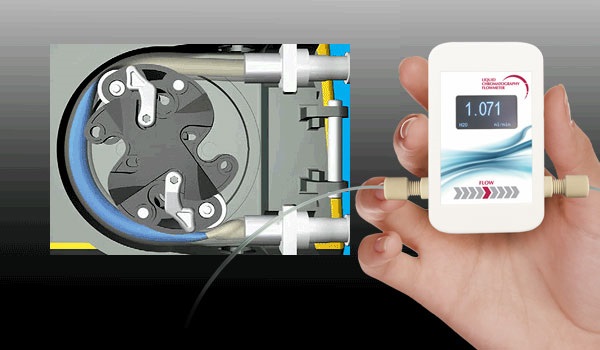
Image 1 – Peristaltic pump
KEY ASPECTS OF PERISTALTIC PUMP
- Flexible Tubing or Hose: A flexible tube or hose made of materials compatible with the fluid.
- Rollers or Shoes: These are the components responsible for squeezing the flexible tubing. . The rollers or shoes create a series of sealed chambers as they compress the tubing.
- Drive Mechanism: Peristaltic pumps have a motor or drive mechanism that powers the movement of the rollers or shoes. This mechanism can be electric, or pneumatic, … depending on the application.
- Inlet and Outlet: Peristaltic pumps have an inlet and outlet, allowing fluids to enter and exit the tubing. These pumps control the flow direction by the positioning of the rollers or shoes.
- Control System: Many peristaltic pumps come with control systems that allow precise regulation of flow rates and dosing. This makes them suitable for applications where accuracy and repeatability are crucial.
ADVANTAGE
- Gentle Pumping: Since the fluid only comes into contact with the tubing and not the pump components, it is gently and safely transported. This is particularly important when handling delicate or shear-sensitive fluids.
- Self-Priming: Peristaltic pumps are self-priming. This means they can draw fluids into the tubing even when it’s empty, making them easy to start and operate.
- Precise Flow Control: They offer precise control over flow rates and dosing, making them suitable for applications where accuracy is essential.
- Minimal Contamination Risk: The sealed tubing design reduces the risk of contamination or cross-contamination of the pumped fluids.
- Ease of Maintenance: These pumps simplify maintenance because the only component that regularly comes into contact with the fluid is the tubing. Which can be easily replaced.
CONCLUSION
In summary, peristaltic pumps find applications in various industries, including pharmaceuticals, food and beverage, water treatment, chemical processing, and medical devices. Moreover, they are particularly useful in situations where hygiene, accuracy, and gentle fluid handling are critical.
(Vn-Industry.)