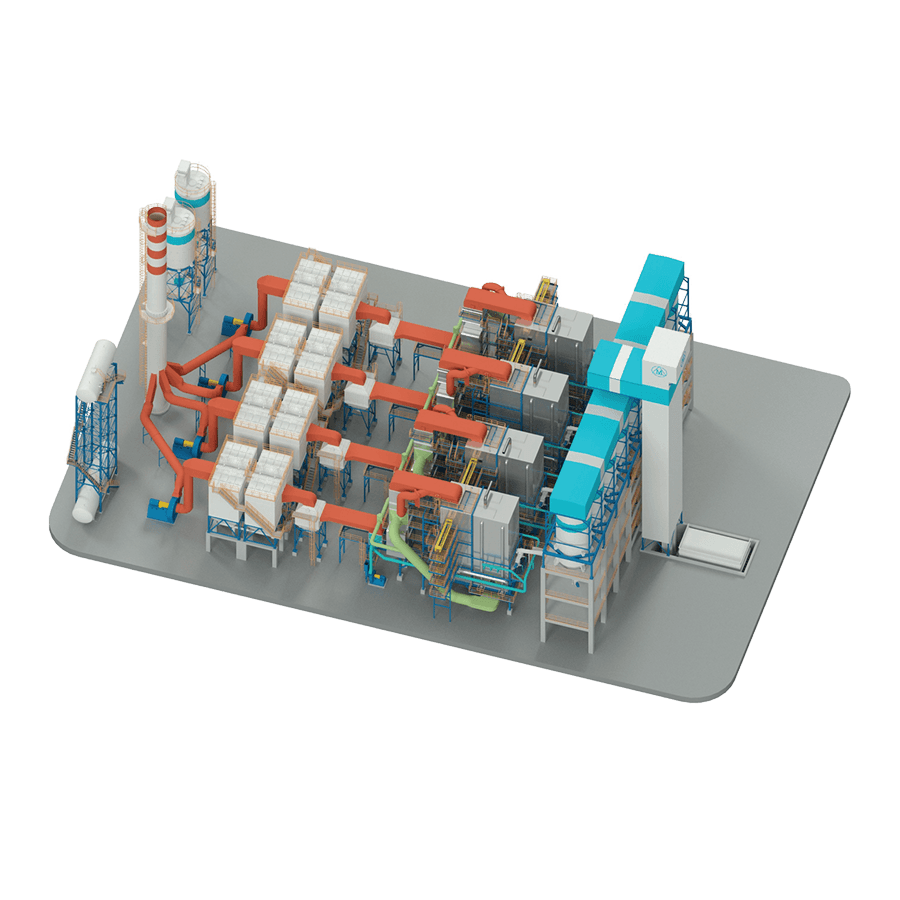
“Regenerative turbine pumps are compact, efficient devices ideal for low-flow, high-pressure boiler feed systems in industrial applications.”
Regenerative turbine pumps
These pumps utilize the energy of high-velocity water to increase its pressure. They are particularly effective in power plants that require moderate pressure increases in the feed water.
INTRODUCTION OF REGENERATIVE TURBINE PUMPS
Regenerative turbine pumps play a crucial role in various industrial applications, including boiler systems. These pumps are known for their efficiency and ability to handle low-flow, high-pressure requirements. In a boiler system, they are typically used to feed water into the boiler at the required pressure and flow rate.
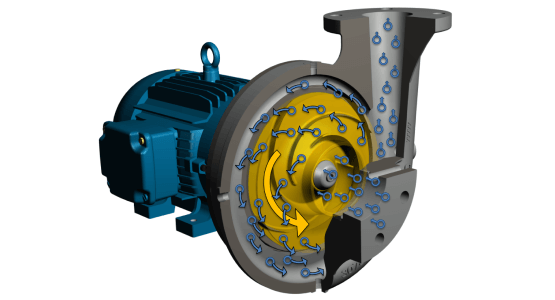
Image 1 – Regenerative Turbine Pumps
PRINCIPLE OF REGENERATIVE TURBINE PUMPS
Regenerative turbine pumps operate on the principle of centrifugal force and regeneration. They use a unique impeller design with multiple closely spaced vanes that guide the fluid back to the suction side of the impeller after passing through it.
As the fluid passes through the impeller, it gains kinetic energy. The vanes direct the fluid back to the center of the impeller, where it regains pressure and energy.

Image 2 – Regenerative Turbine Pump Principle
PROS & CONS OF REGENERATIVE TURBINE PUMPS
Advantage:
- Compact Size: These pumps are generally more compact than other pump types with similar performance characteristics. This makes them suitable for installations with limited space.
- Low NPSH Requirement: They have a low Net Positive Suction Head (NPSH) requirement, which means they are less prone to cavitation, a common issue in high-pressure pumping systems.
- Durable Construction: These pumps are often built with durable materials like stainless steel or bronze, making them resistant to corrosion and suitable for harsh environments.
- Quiet Operation: They tend to operate quietly compared to some other pump types, which can be an advantage in noise-sensitive settings.
- Minimal Maintenance: These pumps have relatively simple designs with fewer moving parts, leading to reduced maintenance requirements compared to some other pump types.
Disadvantage:
- Limited Flow Range: They are suitable for low-flow, high-pressure applications. They may not be suitable for applications with very high flow requirements.
- Sensitive to Operating Conditions: Their efficiency and performance can be sensitive to changes in operating conditions. Proper selection and sizing are essential to achieve optimal results.
- Not Suitable for Solids Handling: They are not designed to handle solid particles. If the pumped fluid contains solids, the feeding water system will need additional filtration or a different pump type.
- Maintenance Expertise: Although they generally require less maintenance, some complex installations may need specialized knowledge and expertise for maintenance and repair.
- Risk of Overheating: In some situations, they can be prone to overheating if operated at low flow rates for extended periods. Proper monitoring and safeguards are essential to prevent this issue.
CONCLUSION
In summary, regenerative turbine pumps are essential components in boiler feed pumps, where they excel at providing the necessary pressure and flow rate to the boiler efficiently. Their unique impeller design and high efficiency make them a reliable choice for such critical applications in industrial settings. Proper maintenance and material selection are essential to ensure their long-term performance in boiler systems.
(Vn-Industry.)