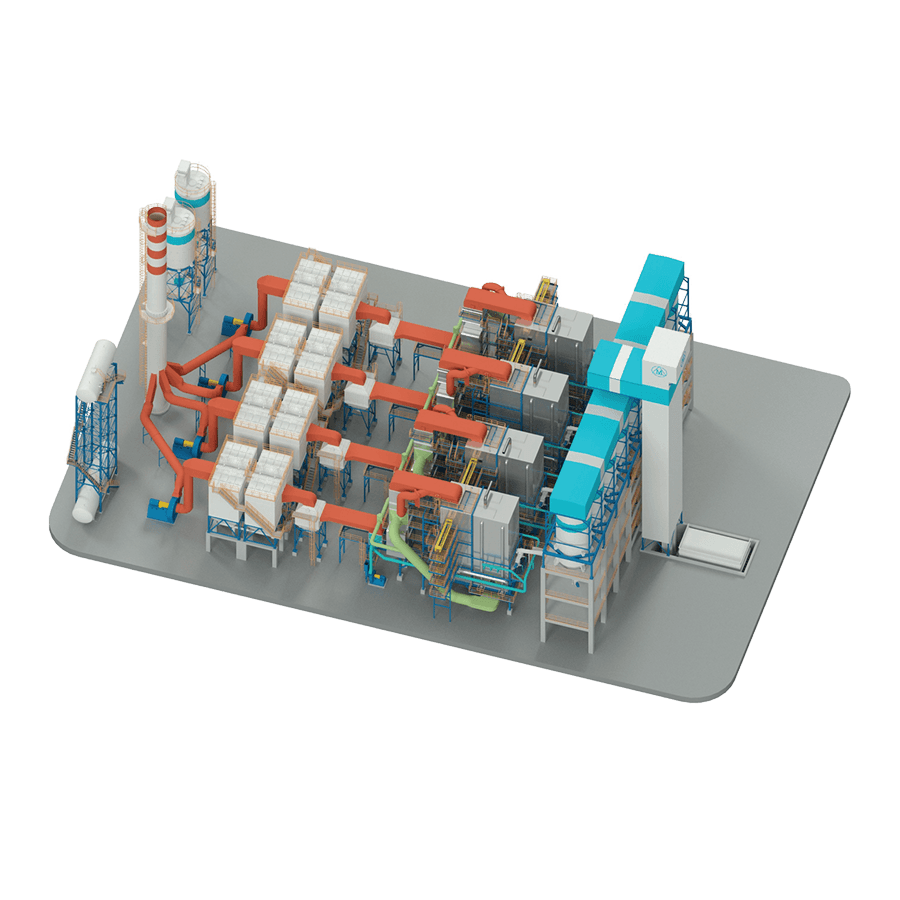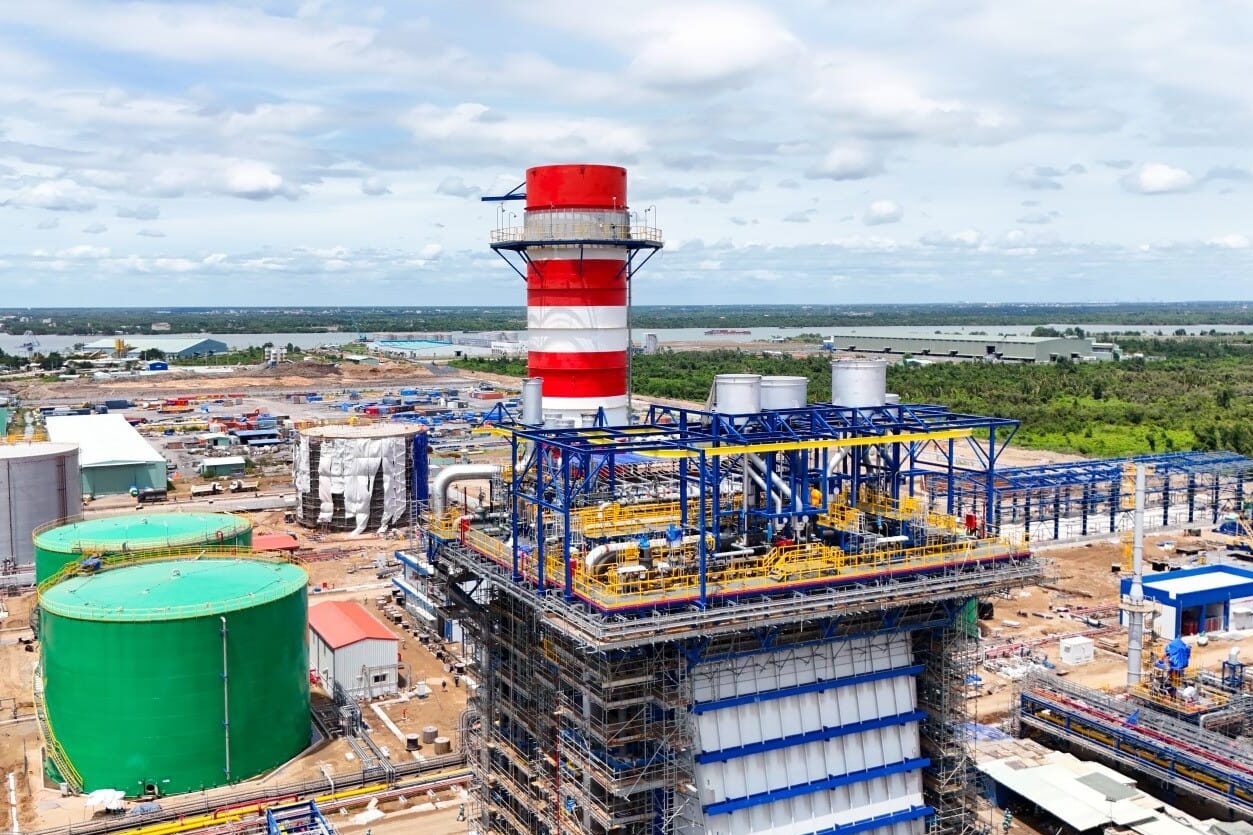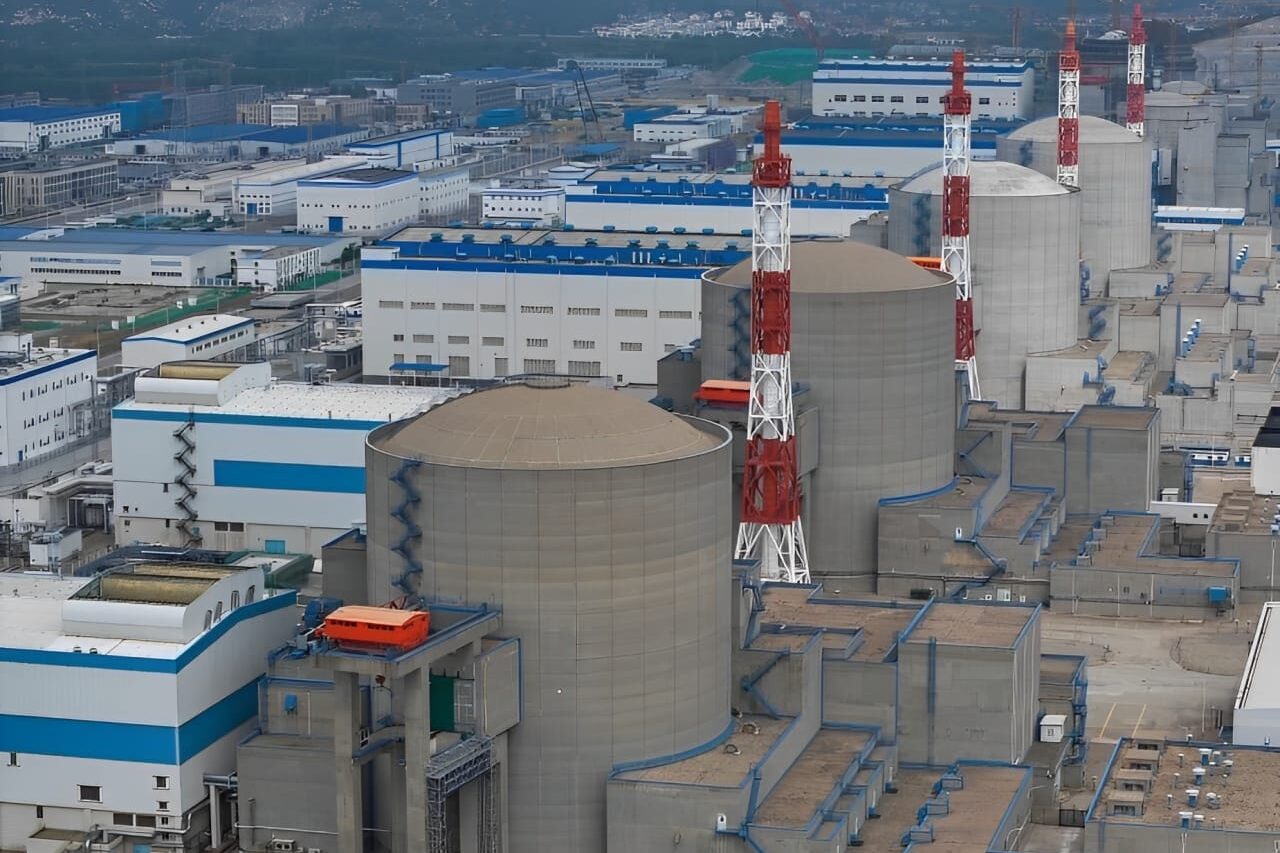
“Cooling tower systems use evaporative cooling to remove heat from industrial processes, recirculating cooled water to maintain equipment efficiency.”
Cooling tower
A cooling tower is a specialized heat exchanger to removes excess heat and disperses it into the atmosphere.
INTRODUCTION
A cooling tower is a specialized heat exchanger that removes excess heat and disperses it into the atmosphere, primarily used in industrial and commercial settings. Moreover, its primary function is to dissipate the heat generated in various industrial processes, particularly those involving machinery or equipment that produce heat during operation.

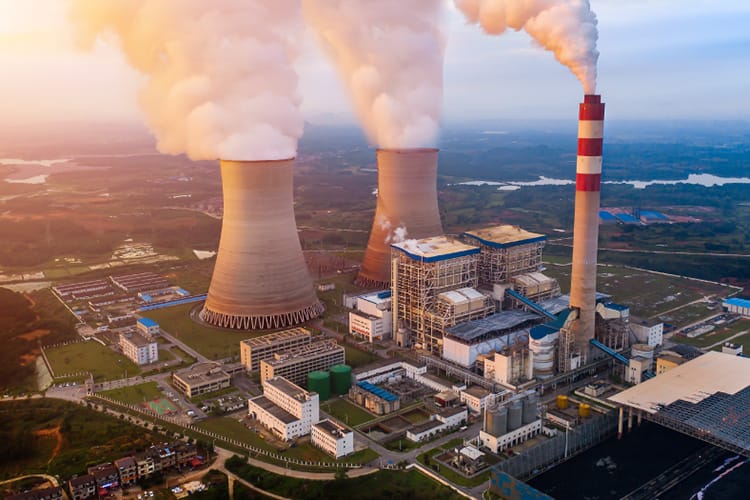
Image 1 – Cooling tower
WORKING PRINCIPLES OF COOLING TOWER
The working principle of a cooling tower involves the transfer of heat from hot water to the surrounding air through a process known as evaporative cooling. As a result, this process helps to cool down the water before it is recirculated back into an industrial process or system. Additionally, here’s a detailed breakdown of the working principle:
- Water Circulation: Hot water from industrial processes, power plants, or HVAC systems is sent to the cooling tower through pipes.
- Distribution of Hot Water: The hot water is distributed over the fill inside the cooling tower in order to increase the surface area for efficient heat transfer.
- Air Circulation: Large fans located at the top of the cooling tower draw in a stream of ambient air and direct it down through the fill material. The movement of air through the tower is either due to natural draft (as in natural draft cooling towers) or induced draft (as in mechanical draft cooling towers).
- Evaporation: As the hot water flows over the fill material, it is exposed to the incoming air. Some of the water evaporates due to the difference in temperature and pressure between the hot water and the cooler air. As a result, this process absorbs heat from the hot water, cooling it down.
- Heat Transfer: Heat from the hot water is transferred to the air through evaporation. This occurs as water molecules absorb heat energy from the hot water and transform into water vapor. Then, the resulting cooled water collects in the basin at the bottom of the cooling tower. After that, the cooled water is then recirculated back to the industrial process or system.
TYPES OF COOLING TOWER
There are several types of cooling towers, each with its own design and operating principles. The main types of cooling towers include:
1. Natural Draft Cooling Towers: These towers use natural convection currents to cool the water. Moreover, they are very large and have a distinctive hyperbolic shape, utilizing the buoyancy of heated air to draw air through the tower.
2. Mechanical Draft Cooling Towers: These cooling towers use fans to circulate air through the tower. Therefore, they consume more power than natural draft cooling towers and cost more to operate as a result.
- Induced Draft: Fans are placed at the top of the tower, pulling air through the tower.
- Forced Draft: Fans are placed at the bottom or the side of the tower, pushing air into the tower.
3. Crossflow Cooling Towers: Air flows horizontally across the falling water stream. Water is distributed from the top and flows downward while air is drawn horizontally across the falling water.
4. Counterflow Cooling Towers: Air flows vertically upwards, counter to the downward flow of the water. Water is distributed from the top, and air is drawn from the bottom, passing through the falling water.
APPLICATIONS OF COOLING TOWER
Cooling towers are widely used in various industrial and commercial applications where heat needs to be dissipated efficiently. So here are common applications of cooling towers:
- Power Plants: Cooling towers are extensively used in power plants to cool the circulating water in the condenser system. Particularly, the water absorbs heat from steam in the condenser, and the cooling tower cools it for recirculation.
- Manufacturing Industries: Cooling towers are used in manufacturing processes, including steel, petrochemical, plastic, pharmaceuticals, food processing, and other industries, to cool equipment, machinery, and processes.
- HVAC Systems (Heating, Ventilation, and Air Conditioning): In commercial and residential buildings, cooling towers are part of the HVAC system to remove excess heat from the building’s air conditioning system. Because they cool the water used in air conditioning units.
CONCLUSION
In summary, cooling towers are essential for managing and maintaining safe and efficient operations in various industrial, commercial, and institutional settings where heat dissipation is critical to prevent equipment damage and ensure optimal performance.
(Vn-Industry.)