“Waste to Energy transforms non-recyclable waste into energy, reducing landfill use, lowering emissions, and supporting sustainable, eco-friendly practices.”
Waste to energy
Play an increasingly vital role in shaping the future of our planet
INTRODUCTION
Waste-to-Energy (WtE) is an innovative and sustainable solution addressing the dual challenges of waste management and energy generation. In an era focused on environmental concerns, converting waste into energy offers a promising path for a cleaner and more sustainable future. This article explores the concept of WtE, its benefits, technological advancements, and its crucial role in shaping a greener world.

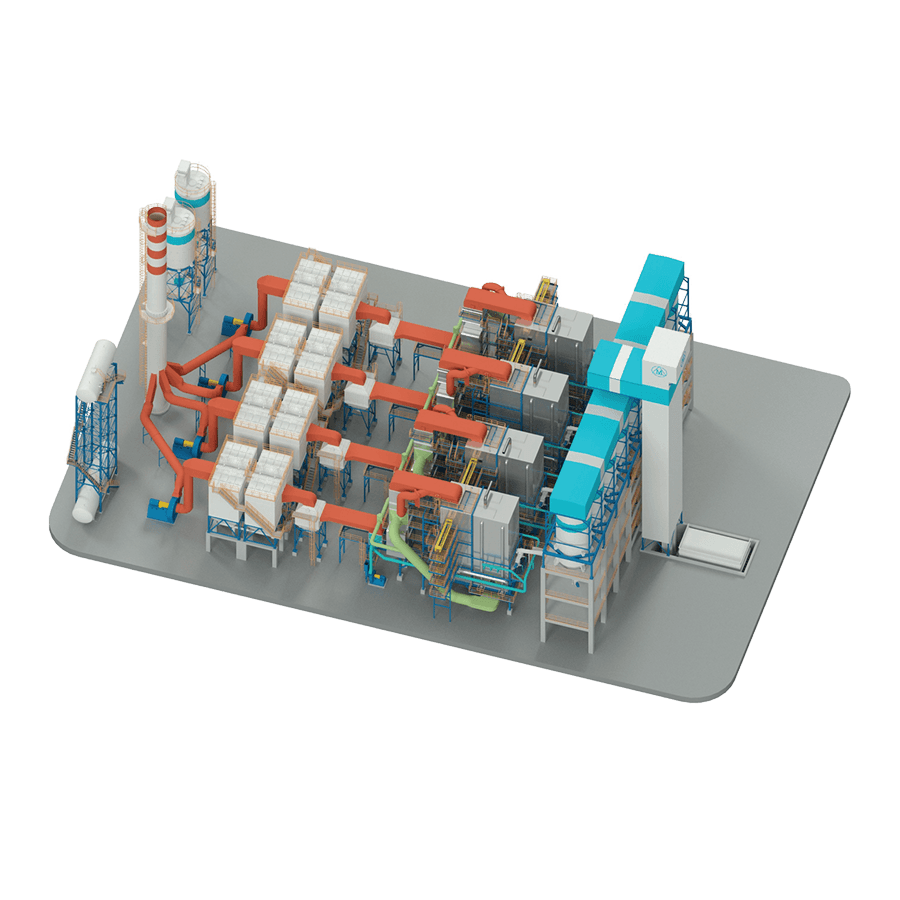
Figure 1 – Waste to Energy

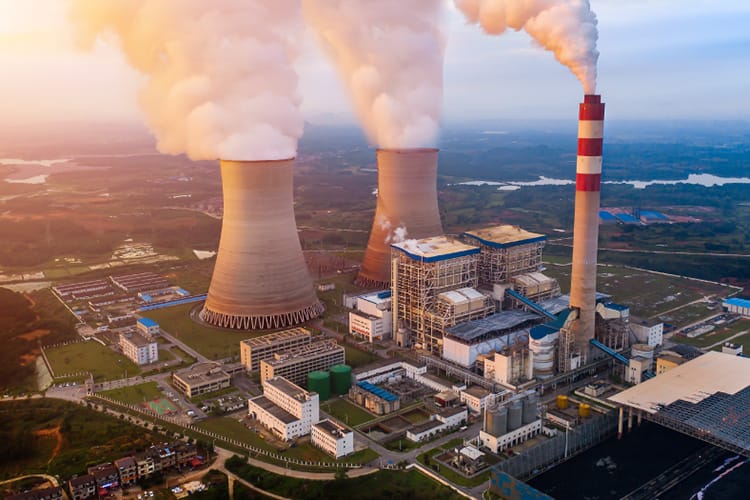
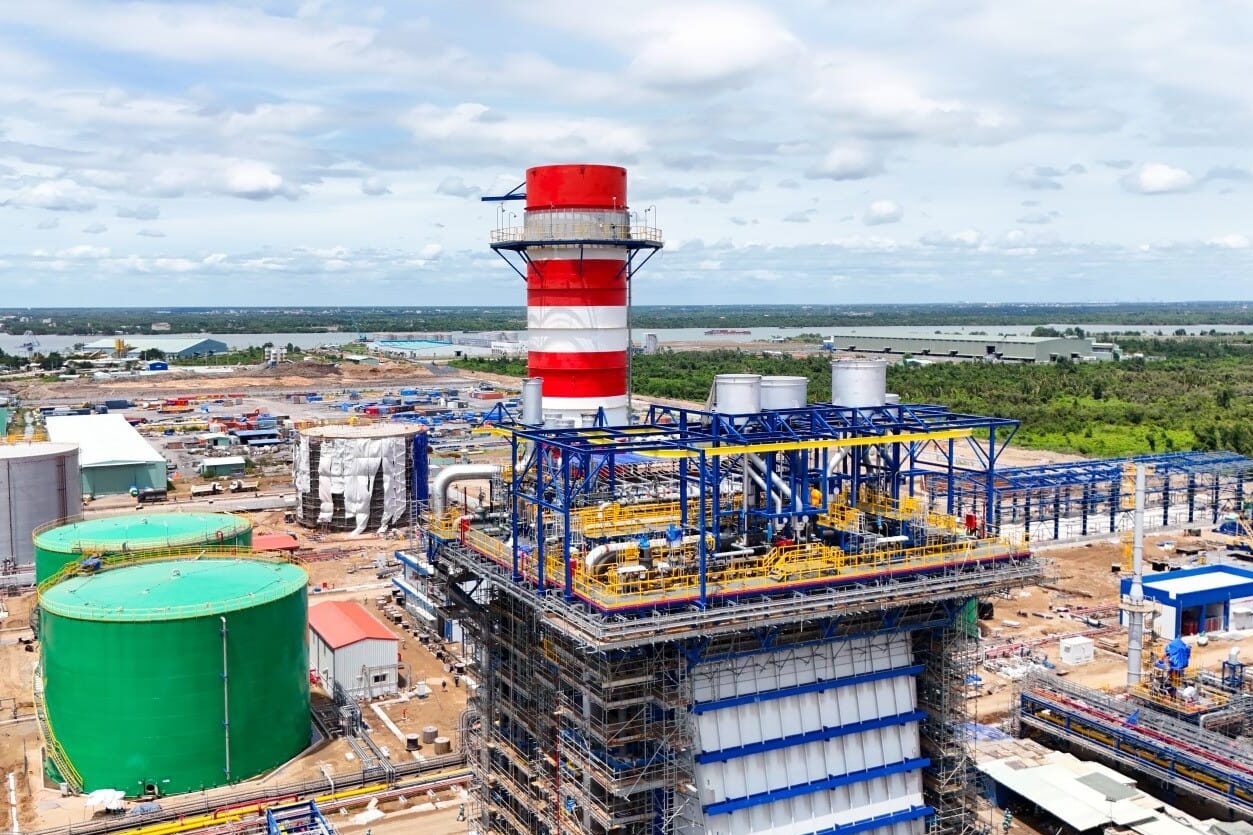
Figure 2 – Waste to Energy
Understanding waste to energy
WtE transforms non-recyclable waste into electricity, heat, or fuel, providing practical energy solutions. This process reduces landfill waste volumes and offers alternative energy sources for a sustainable future. Moreover, it supports the global transition towards renewable and eco-friendly practices.
Benefits of Waste to Energy
-
Waste Reduction: WtE significantly decreases landfill waste, curbs environmental pollution, and mitigates the harmful effects of excessive waste accumulation.
-
Renewable Energy Source: By harnessing the energy potential of waste, WtE generates renewable energy, reducing reliance on non-renewable sources and lowering carbon emissions.
-
Economic Viability: WtE facilities create jobs, stimulate local economies, and provide cost-effective waste management solutions over time.
Technological Advancements
-
Incineration Technology: Modern incineration methods are more efficient and environmentally friendly, utilizing advanced filtration systems to capture harmful pollutants and reduce emissions.
-
Gasification: This emerging technology converts waste into synthetic gas, used to generate electricity or produce biofuels, offering a cleaner alternative to traditional incineration.
-
Anaerobic Digestion: This biological process breaks down organic waste using microorganisms in oxygen-free conditions, producing biogas for energy production.
-
Pyrolysis: Pyrolysis thermally decomposes waste without oxygen, yielding biochar, liquid fuels, and syngas, effectively handling diverse waste materials.
Waste to energy around the world
Several countries have embraced WtE as a key component of their waste management and energy strategies. For instance, Scandinavia, particularly Denmark, has successfully implemented WtE technologies, leading to efficient waste utilization and energy production.
Challenges and considerations
While WtE presents numerous benefits, challenges remain. Public perception, regulatory frameworks, and potential environmental impacts of certain technologies are crucial considerations that require careful navigation.
CONCLUSION
Waste to Energy (WtE) offers a promising solution for sustainable development worldwide. By transforming waste into valuable resources, it effectively addresses the global waste crisis. Additionally, it contributes to creating a cleaner, greener, and more energy-efficient planet. With technological advancements and growing awareness, WtE’s role in shaping a sustainable future continues to expand. Embracing this innovative approach is vital for ensuring environmental sustainability and a better tomorrow.
(Vn-Industry.)
Home page: https://vn-industry.com/