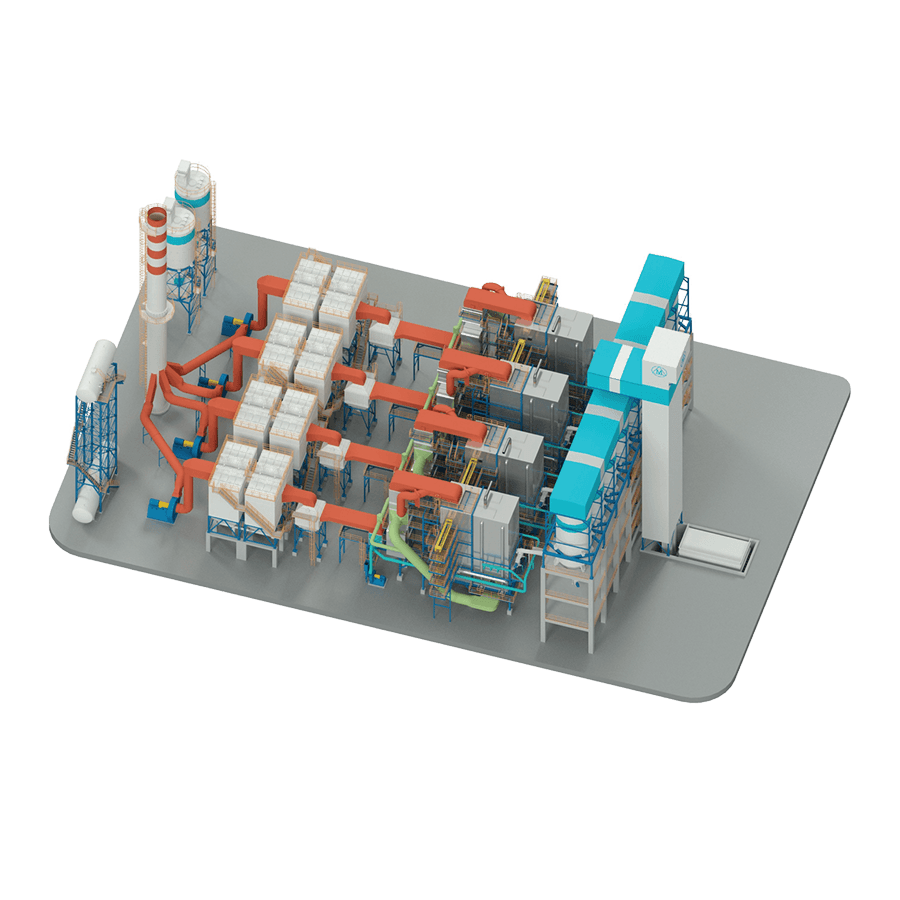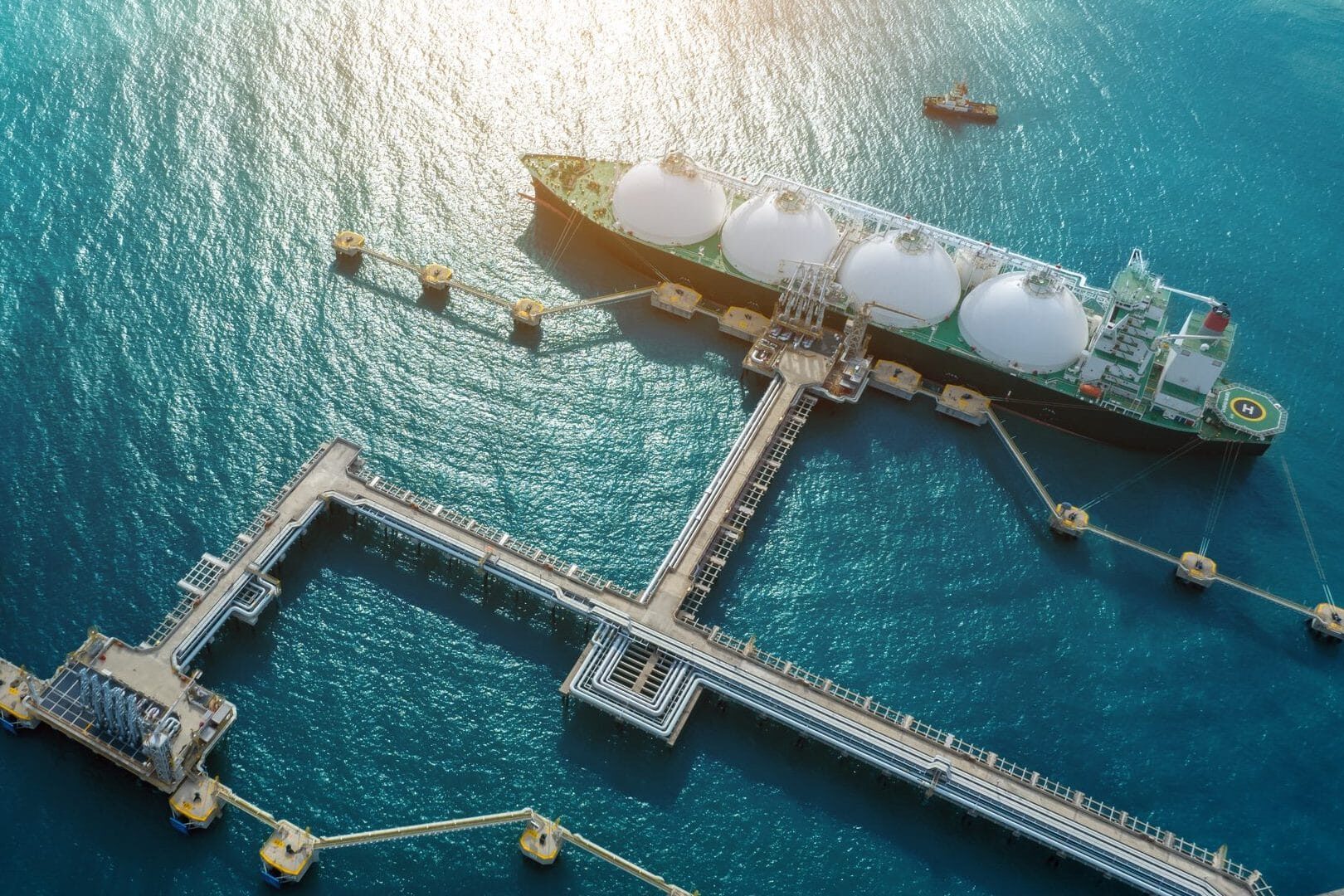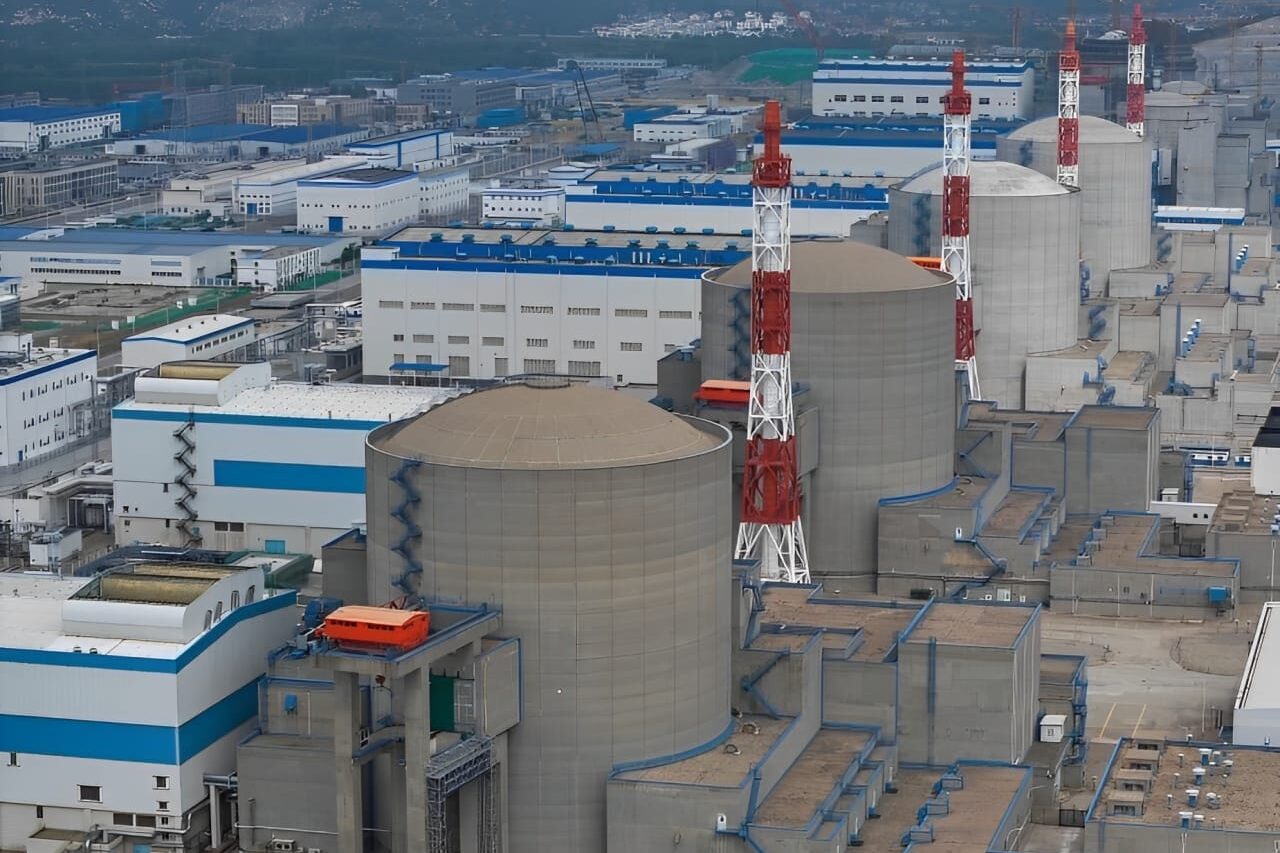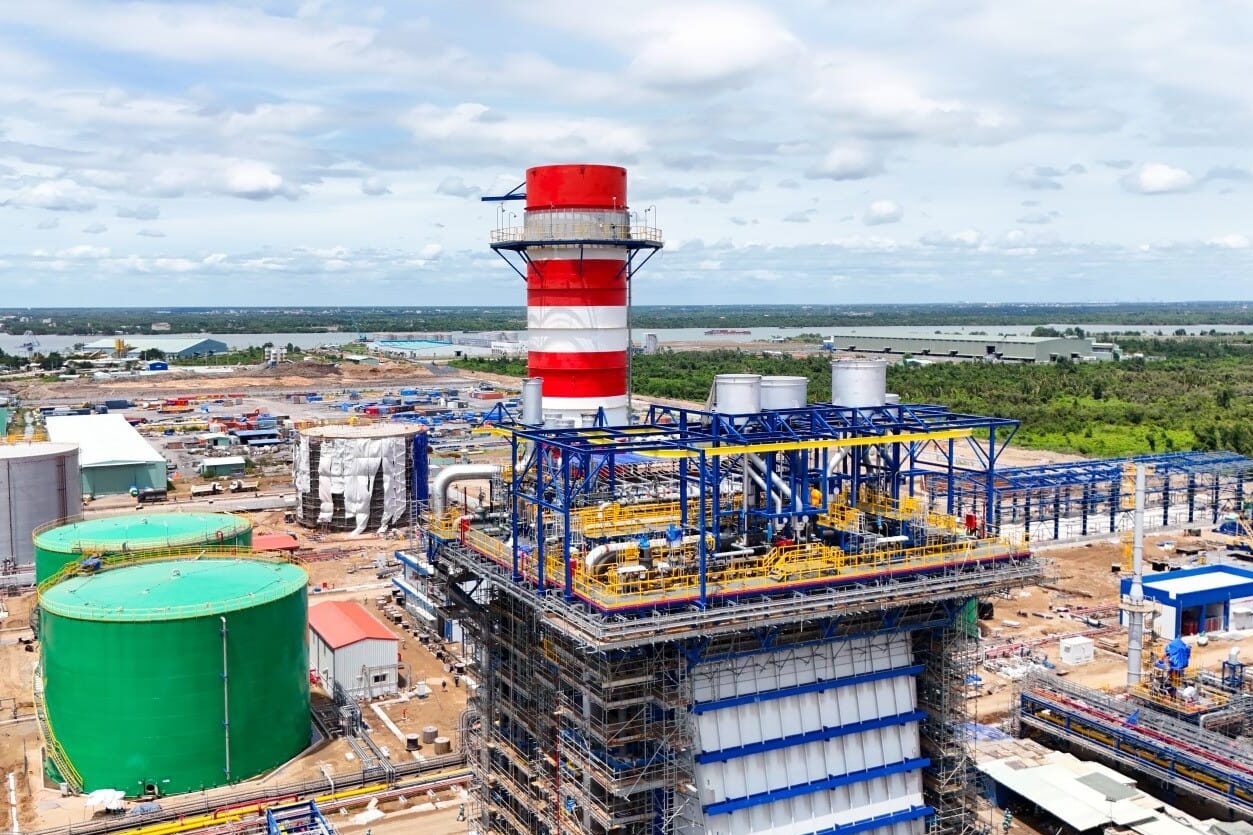
“In industries like water treatment, manufacturing, and boilers, metering pumps ensure precise chemical dosing, enhance efficiency, and maintain quality.”
Metering pumps
Metering pumps are essential in industrial processes, ensuring precise fluid delivery and accurate injection of chemicals or additives, making them crucial in water treatment, manufacturing, and the chemical industry.
INTRODUCTION
Metering pumps, also known as dosing pumps, are specialized devices designed for the precise control of fluid flow. They work by delivering a defined volume of fluid at a consistent rate. This distinguishes them from other types of pumps. The primary components of a metering pump include a pump head, a drive mechanism, and a control system.
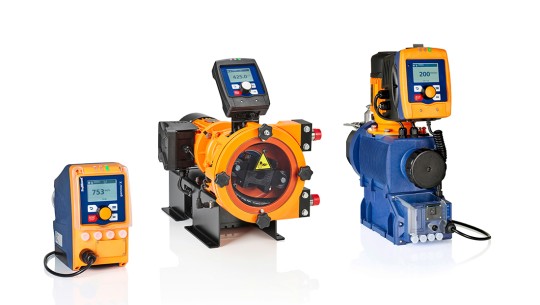
Image 1 – Metering Pumps
KEY ASPECTS OF METERING PUMPS
When selecting a metering pump for a boiler system, several key aspects need to be considered.
- Flow Rate and Accuracy: The flow rate of these pumps should be suitable for specific dosing requirements of boiler systems. It’s essential to ensure that the pump can deliver the required chemicals or additives accurately and consistently.
- Chemical Compatibility: The materials used in the pump, including pump head, and valves, … must be compatible with the injected chemicals. However, some chemicals can be corrosive or abrasive, so selecting materials that can withstand them is crucial to prevent pump damage and maintain reliability.
- Pressure Rating: Boiler systems often operate at high pressures. Because of that, the selected metering pump must handle the pressure requirements of the system without issues.
- Chemical Injection Rate Adjustment: The pump should offer the ability to adjust the injection rate easily. This is important for fine-tuning the dosing process to meet changing water treatment needs or different operating conditions.
FUNCTIONS OF METERING PUMPS
- Accurate Chemical Injection: The primary function of metering pumps is to accurately inject chemicals or additives into a system. This is especially crucial in applications where precise dosing is required, such as water treatment.
- pH Control and Water Conditioning: In boiler systems, metering pumps can control the pH levels of the water. Moreover, they help prevent corrosion and scaling, ultimately prolonging the life of equipment and maintaining water quality.
- Chemical Dosing for Process Control: These pumps ensure precise and consistent chemical dosing. Which is critical for achieving desired outcomes and maintaining product quality.
- Biocide Injection: In applications where microbial growth is a concern. For example, in cooling towers or pipelines, these pumps can deliver biocides to inhibit the growth of algae, bacteria, and other microorganisms. This helps prevent fouling and contamination.
CONCLUSION
In conclusion, metering pumps are indispensable tools that ensure the accuracy, consistency, and reliability of chemical injection processes in various industries. Their ability to precisely control fluid flow and dosing makes them essential for achieving desired outcomes, improving efficiency, and maintaining product quality.
(Vn-Industry.)