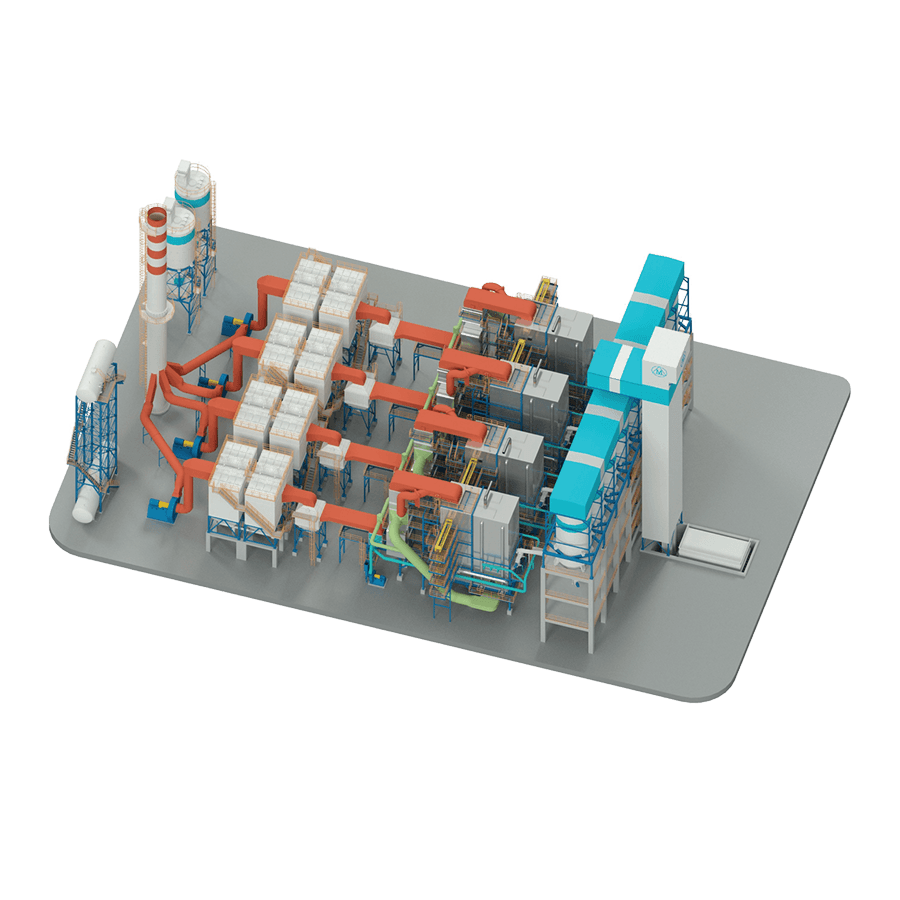
“Pump head and flow rate are key parameters determining a pump’s efficiency, reliability, and suitability, crucial for system design and longevity.”
Head and flow rate of the pump
The head and flow rate of the pump are fundamental factors that influence the efficiency, reliability, and cost-effectiveness of water pumping systems. Considering these parameters carefully is key to successfully operating pumps across various applications.
INTRODUCTION OF HEAD AND FLOW RATE OF PUMP
Head: Head refers to the energy imparted to the water by the pump, usually expressed in meters or feet. It also represents the height at which the pump can lift water against gravity. Higher head values indicate the pump’s ability to push water to greater heights.
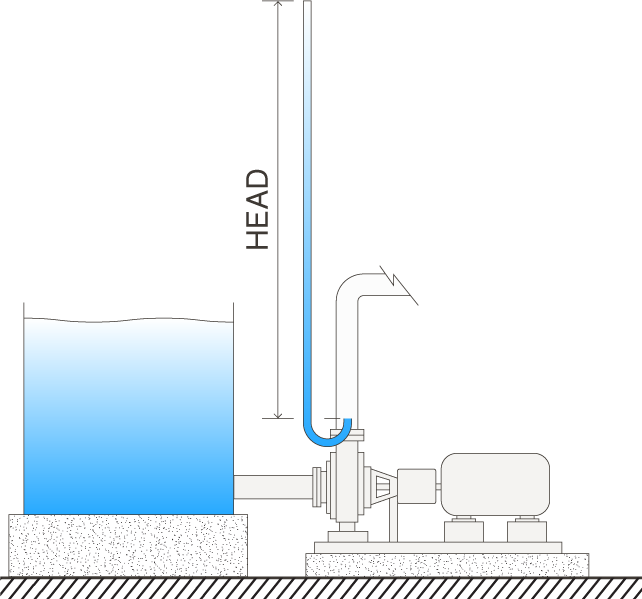
Figure 1 – Pump Head
Flow Rate: Flow rate is the volume of water that the pump can move in a given time. It is typically measured in liters per second or gallons per minute. It signifies the pump’s capacity to deliver water. Moreover, the flow rate is also crucial for determining the suitability of the pump for a specific application.
FACTORS AFFECTING HEAD AND FLOW RATE OF PUMP
- Pump Design: Centrifugal and positive displacement pumps, have varying impacts on head and flow rate. Moreover, this can explain how the pump’s internal mechanisms contribute to its performance.
- System Resistance: The characteristics of the piping system through which the water is transported affect the pump’s head and flow rate. Friction and elevation changes in the pipes contribute to system resistance.
IMPORTANCE IN SELECTING PUMP
- Efficient Pump Selection: Different applications require pumps with specific pump curve capabilities. Understanding those requirements of a system allows for the selection of a pump that precisely matches the needs of the application.
- System Compatibility: Inadequate consideration of head and flow rate can lead to issues, such as lacking of the necessary head or insufficient water delivery. Therefore, these can impact the functionality of the entire system.
- Longevity and Reliability: Using a pump with an insufficient operating point may lead to overloading, causing premature wear and tear on the pump components.
CONCLUSION
In summary, understanding pump and system curves is essential for selecting the right pump for a given system and ensuring that the system operates efficiently and effectively. Engineers use these curves to make informed decisions about pump selection, system design, and energy efficiency optimization. By matching the pump’s performance to the system’s requirements, you can achieve the desired fluid transport goals while minimizing energy consumption and operational costs.
(Vn-Industry.)