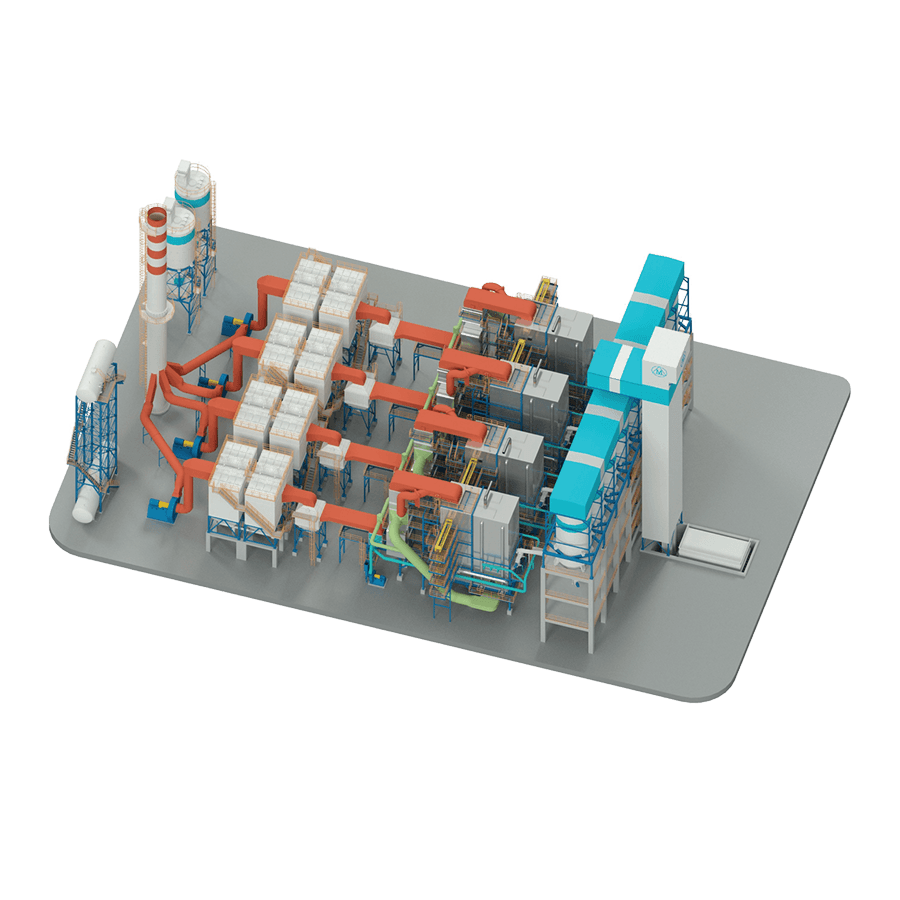
“Coal transportation demands strict safety protocols due to self-heating risks and methane emissions, ensuring efficiency and minimizing hazards effectively.”
Coal transportation
Optimizing safety and efficiency in coal transportation
INTRODUCTION
Transporting coal is not just a simple process; it is a complex task fraught with risks to both people and property. To minimize potential hazards and ensure absolute safety, strict adherence to procedures is essential. In this article, we will explore the unique properties of coal and the safety measures required for efficient and safe transportation.


1- Characteristics of Coal
Coal, an essential energy source formed from ancient plant matter, dates back around 300 million years. However, it is crucial to remember that coal has the ability to self-heat, posing a risk of fires and explosions. This characteristic presents a significant challenge in transportation, requiring special attention and effective preventive measures.

2- Risks and Preventive Measures
Self-heating in coal can lead to temperature increases, posing a fire risk. Factors such as oxygen levels, surface area, moisture content, and insulation all play a vital role in this process. Additionally, methane gas emissions from coal add to the explosion risk. Therefore, strict adherence to safety regulations and guidelines is necessary to minimize these risks during transportation.
3- Safety Rules and Requirements
The SOLAS (Safety of Life at Sea) and IMSBC (International Maritime Solid Bulk Cargoes) Code are two critical documents governing the transportation of hazardous materials, including coal. Preparing the necessary documentation and closely monitoring the loading process are crucial steps to ensure safe transportation.

4- Equipment and Preventive Measures
Equipping vessels with gas detectors and temperature measurement devices is essential to ensure the safety of both the ship and its crew. Adhering to all procedures and preventive measures can help prevent unfortunate incidents.
CONCLUSION
Transporting coal is not just a technical process but a task that requires careful attention and a deep understanding of the material’s properties. By following established procedures and safety measures, we can minimize risks and ensure the safety of all parties involved in the transportation, storage, and use of coal.
(Vn-Industry.)
Home page: https://vn-industry.com/