“Co-generation systems maximize fuel efficiency by producing electricity and heat simultaneously, reducing waste, emissions, and operational costs effectively.”
Co-generation system (CHP)
An Optimal Energy Efficiency Solution for Factories
INTRODUCTION
Overview and Concept
Co-generation system, also known as Combined Heat and Power (CHP), is an advanced solution for efficiently utilizing energy resources. This technology simultaneously generates electricity and heat from a single fuel source, minimizing waste and optimizing energy costs.

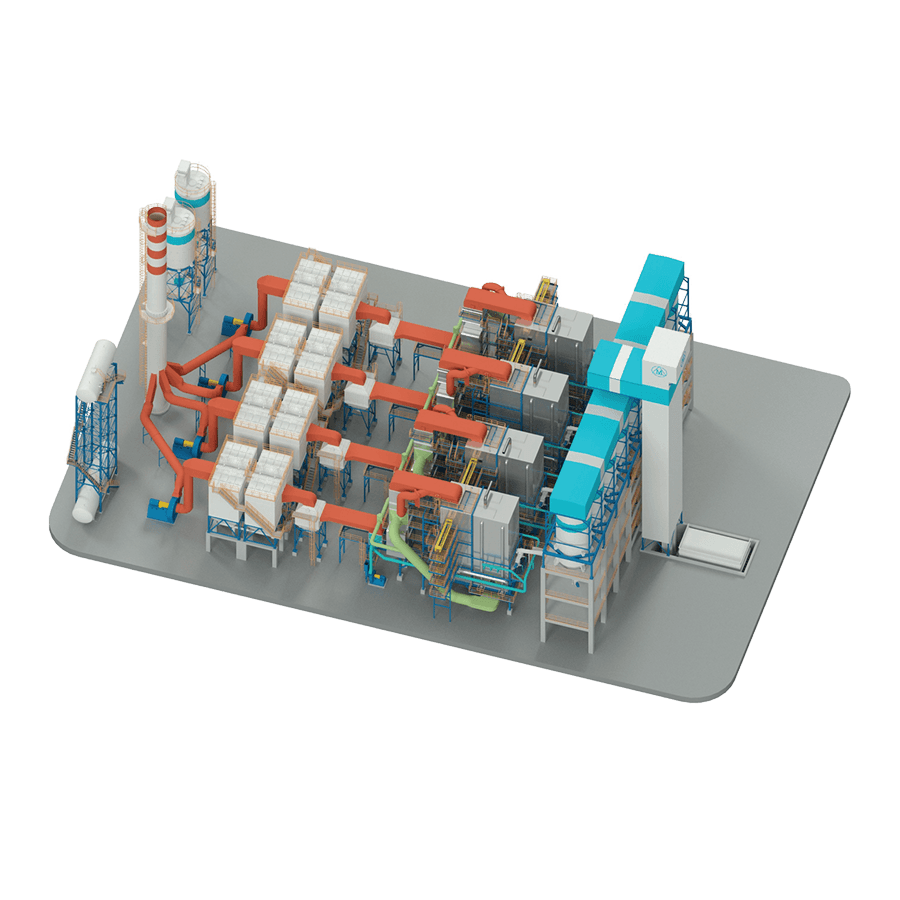
Image 1 – CHP systems typically harness energy from industrial boilers.
Principle of Operation
In traditional power plants, a significant amount of heat energy is wasted and released into the environment. However, a CHP system recycles this waste heat to produce useful thermal energy, such as heating or supporting industrial processes. As a result, energy efficiency reaches over 80%, far exceeding the 33% efficiency of conventional power generation systems.
For instance, Manhattan’s steam system in the U.S. provides heat to over 100,000 buildings annually. Companies like Recycled Energy Development are leading the way in converting waste energy into useful power.

Image 2 – The hot steam released will rotate the steam turbine.
CLASSIFICATION OF CHP SYSTEMS
Large CHP Systems
- Designed for urban areas or large industrial sectors, utilizing heat from nuclear or thermal power plants.
- Ideal for large-scale operations, ensuring economic and environmental benefits.

Image 3 – Co-generation system at nuclear power plant
Small and Micro-CHP Systems
- Small systems are suitable for commercial buildings, hospitals, and large residential areas
- Micro-CHP systems cater to individual households, employing Stirling engines, micro-turbines, or fuel cells for cost-effective operations.

Image 4 – A cogeneration system at a plant with a coal-fired boiler
Trigeneration Systems (CCHP)
These systems expand CHP capabilities by providing electricity, heat, and cooling from a single energy source.
TECHNICAL STRUCTURE OF CHP SYSTEMS
CHP systems in industrial applications are diverse:
- Gas Turbines: Utilize hot exhaust gases to produce electricity and heat.
- Internal Combustion Engines: Powered by gasoline or diesel, common in small-scale CHP systems.
- Steam Turbines: Use biomass or coal to create steam, driving turbines to generate electricity and provide heat.
- Nuclear Thermal Power: Leverage waste steam from nuclear reactions for heating.

Image 5 – A Co-gen system combines a gas turbine and a steam turbine
THERMAL EFFICIENCY
Traditional power plants convert only about 33% of fuel energy into electricity, with the remainder lost as heat. CHP and CCHP systems recycle waste heat, achieving efficiencies of over 80%. This not only reduces costs but also minimizes environmental impact.
Thermal efficiency is calculated as follows:
- ηth = Wout / Qin
Where:
- ηth = Thermal efficiency
- Wout =Total output work
- Qin = Total input energy
-

Image 6- Cogeneration system using a steam turbine
SUPERIOR ADVANTAGES OF CHP SYSTEMS
Outstanding Energy Efficiency
Co-generation or trigeneration systems optimize input energy distribution, providing superior efficiency:
- Electricity: 45% of total output
- Heat and cooling: 40%
- Heat loss: Only 13%
- Electrical loss: Controlled at just 2%
Overall useful energy efficiency reaches 85%, minimizing waste to only 15%.
Reduced Emissions
Produces less CO₂ compared to separate electricity and heat generation systems.
Economic Benefits
Long-term energy cost savings.
Notable statistics
- European Union: CHP systems currently provide about 11% of total electricity, saving up to 35 MTOE annually (MTOE: million tons of oil equivalent).
- Leading Nations: Denmark, the Netherlands, and Finland are global leaders in cogeneration, showcasing their economic and environmental benefits.
APPLICATIONS
Industrial Sector
Cement and oil refineries often use CHP systems to recycle waste heat during production.
Commercial and Residential Sectors
Hospitals and hotels use CHP systems to supply energy and heating.
Agricultural Sector
Small-scale CHP systems provide electricity and heating in rural areas, such as straw-fired power plants in Denmark.
For example, Denmark’s straw-fired CHP plants generate electricity and provide heating, with cogeneration and waste heat recovery accounting for approximately 55% of the nation’s energy.

Image 7 – Co-generation system generates both electricity and heating steam

Image 8 – An environmentally friendly cogeneration system built in Denmark
The Combined Heat and Power (CHP) system not only enhances energy efficiency but also helps protect the environment and reduce operational costs. It is a sustainable solution for the future.
-> To improve CHP system performance, see related articles.
-> For durability control, refer to additional resources.
Back to home page: https://nangluongthanhcong.com/