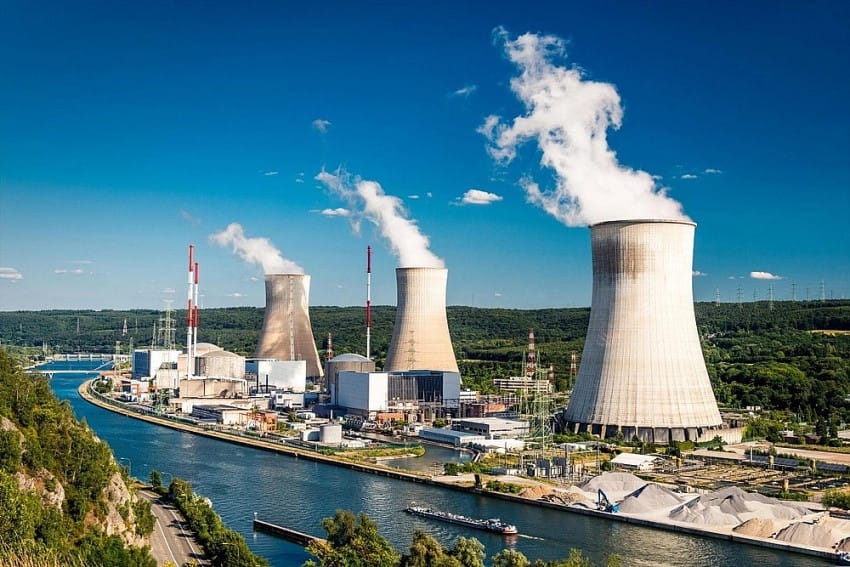
“Thermal power stations convert heat to electricity using coal, gas, or oil, offering reliability but causing environmental pollution challenges.”
THERMAL POWER STATION
A Comprehensive Guide
INTRODUCTION
A thermal power station converts heat energy into electrical energy. These stations play a crucial role in power generation worldwide. This guide delves into their operation, advantages, and environmental impact.

How Thermal Power Stations Work
Thermal power stations rely on the Rankine cycle. This process involves boiling water, generating steam, and driving a turbine. The turbine then rotates a generator, producing electricity.
Fuel Sources: Coal, natural gas, and oil are common fuels for thermal power stations. These fuels burn to produce the required heat. Each fuel type offers unique benefits and challenges.

- Coal remains the most widely used fuel. It is abundant and provides steady power output. However, burning coal releases significant pollutants.
- Natural gas is cleaner than coal. It produces fewer emissions and is highly efficient. Many modern plants use natural gas due to its environmental benefits.
- Oil serves as a backup fuel. It is less common due to high costs and environmental concerns. However, some plants still use it when other fuels are unavailable.
Key Components of a Thermal Power Station

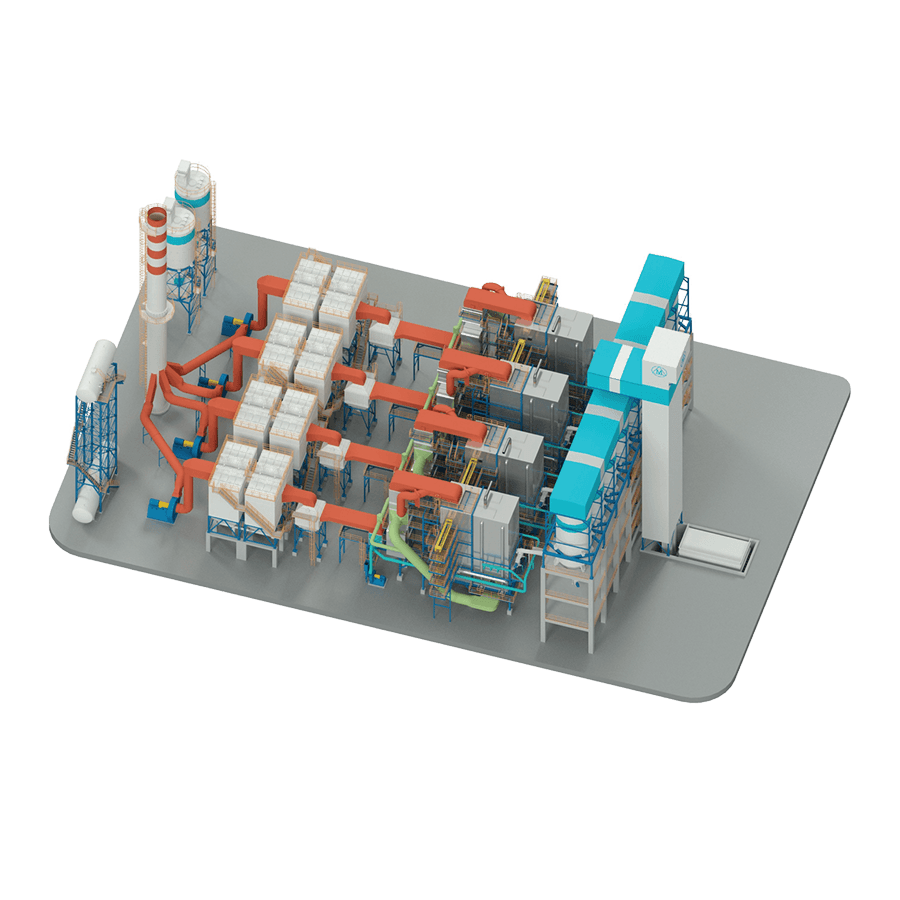
Several components are essential for a thermal power station. These include the boiler, turbine, generator, and cooling system.
1. The boiler heats water to produce steam. It burns the chosen fuel to generate the necessary heat.
2. The turbine converts steam’s thermal energy into mechanical energy. The high-pressure steam spins the turbine blades. This process drives the generator.
3. The generator produces electricity. It converts the turbine’s mechanical energy into electrical energy.
4. The cooling system condenses exhaust steam back into water. This water returns to the boiler, completing the cycle.
Advantages of Thermal Power Stations
Thermal power stations offer several advantages. They provide a reliable and consistent power supply.
- Scalability is another advantage. Thermal power stations can easily adjust output based on demand. They can scale up during peak hours and scale down during low demand.
- Fuel flexibility allows the use of different fuels. This flexibility ensures continuous power generation, even if one fuel type is scarce.
- Job creation is significant in the construction and operation of thermal power stations. They generate numerous employment opportunities.
Environmental Impact
Thermal power stations have a substantial environmental impact. The primary concern is the emission of pollutants.

- Coal-fired plants emit sulfur dioxide, nitrogen oxides, and particulate matter. These pollutants contribute to acid rain and respiratory issues.
- Carbon dioxide (CO2) emissions are a major issue. Burning fossil fuels releases CO2, a greenhouse gas. This contributes to global warming and climate change.
- Thermal pollution occurs when hot water discharges into nearby water bodies. This can harm aquatic life and ecosystems.
- Mitigation measures include scrubbers, filters, and other technologies. These can reduce emissions and capture pollutants.
Modern Innovations
Recent innovations aim to make thermal power stations more efficient and eco-friendly.
- Supercritical and ultra-supercritical technology enhances efficiency. These technologies operate at higher temperatures and pressures. This reduces fuel consumption and emissions.
- Carbon capture and storage (CCS) is another promising technology. CCS captures CO2 emissions and stores them underground. This prevents CO2 from entering the atmosphere.
- Co-firing involves burning biomass alongside fossil fuels. This reduces CO2 emissions and reliance on fossil fuels.
CONCLUSION
Thermal power stations are vital for global energy production. They offer reliable and scalable power generation. However, they also pose significant environmental challenges. Modern innovations aim to reduce their environmental impact. The future of thermal power stations lies in balancing efficiency and sustainability.
(Vn-Industry.)
Home page: https://vn-industry.com/