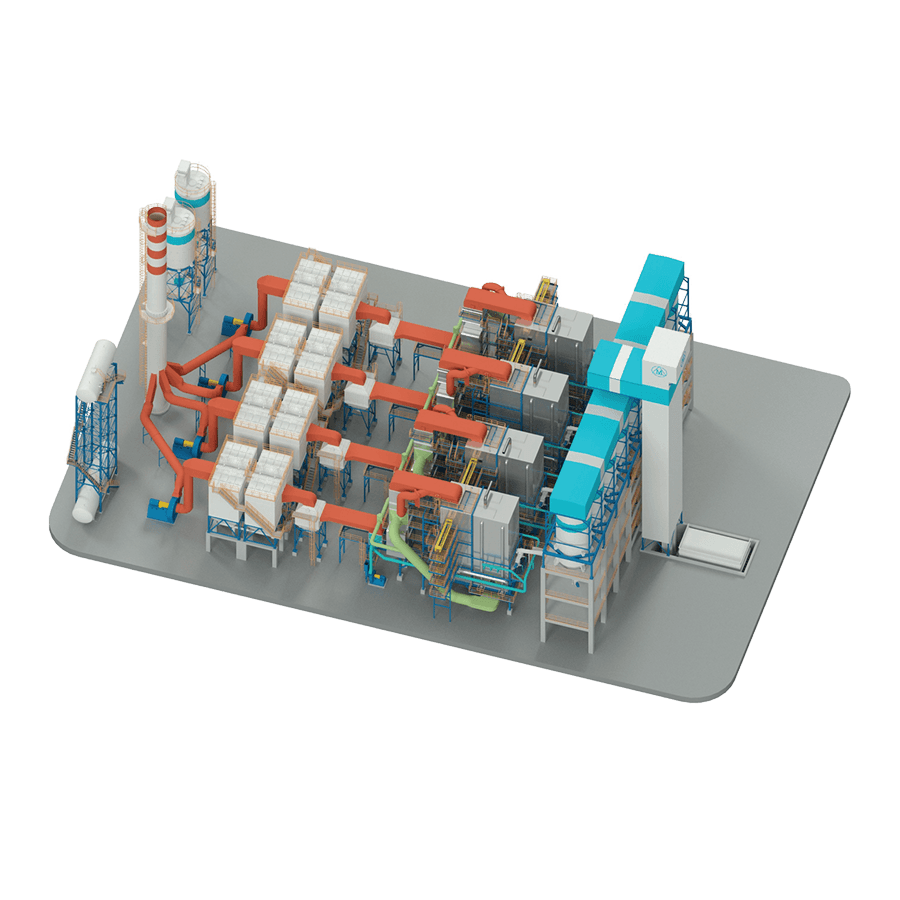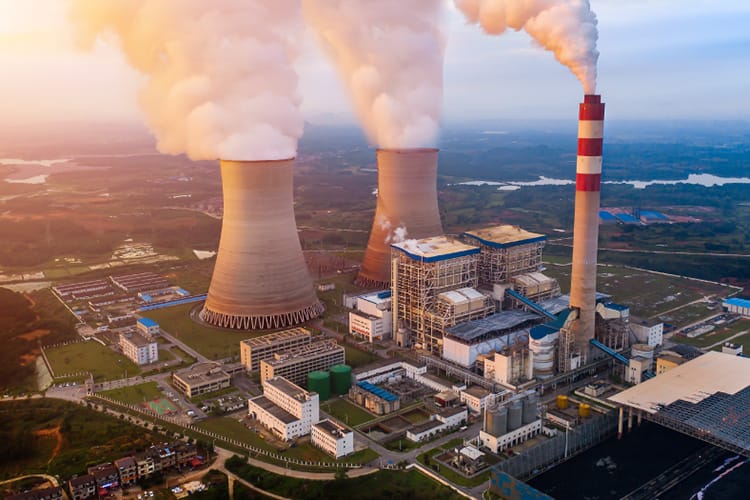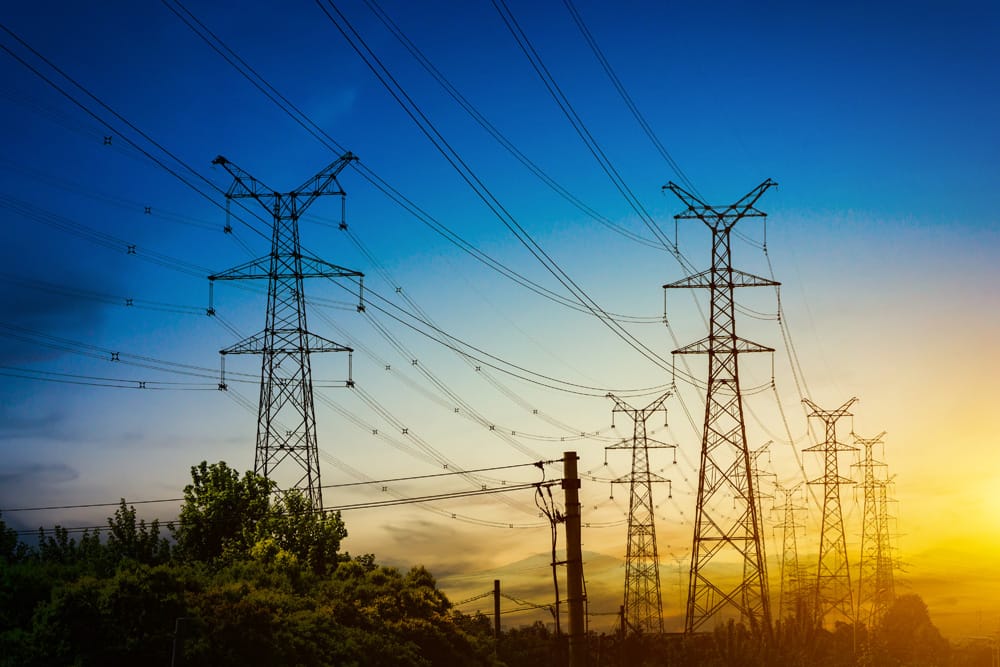
“Steam turbine efficiently converts high-pressure steam into mechanical energy, widely used in power generation and industrial machinery worldwide.”
Steam turbine
The steam turbine is a key component in electricity generation and industrial applications
INTRODUCTION
A steam turbine is a mechanical device that converts the energy stored in high-pressure steam into rotational mechanical energy. This mechanical energy can be used for various purposes, such as generating electricity, driving mechanical equipment, and powering propulsion systems in some ships. Besides, steam turbines have been a crucial component in many industrial and power generation processes for over a century.


WORKING PRINCIPLES OF STEAM TURBINES
Steam turbines operate based on the principles of thermodynamics and the conservation of angular momentum. This is a basic working principle of it:
- High-pressure, high-temperature steam directs energy onto the rotor blades, transferring its high kinetic energy and causing the rotor to spin.
- Then, as the steam flows over the rotor blades, it expands and loses pressure and temperature. This expansion is what drives the rotor’s rotation.
- The rotor’s rotational motion is then harnessed to perform mechanical work, driving either an electrical generator or a mechanical load, depending on the application.
- After passing through the turbine, the lower-pressure and lower-temperature steam exits the system, and the cycle can repeat.

TYPES OF STEAM TURBINES
Steam turbines come in various types and configurations, each designed for specific applications and operating conditions. There are several classifications of steam turbines below:
1. Based on the Number of Stages:
- Single-stage turbines consist of one set of stationary blades and one set of rotating blades. They are relatively simple and often used in small-scale applications.
- Multi-stage turbines consist of multiple sets of stationary and rotating blades. Steam passes through several stages of expansion, allowing for higher efficiency and greater power output. So these turbines are common in large power plants and industrial applications.

2. Based on the Characteristics of the Thermodynamic Process:
- A condensing steam turbine is designed to operate with a vacuum at the exhaust end. Steam exits the turbine and is condensed back into water, which is then returned to the boiler for recirculation. These turbines are commonly in power plants where maximizing efficiency is critical.
- Non-condensing turbines exhaust steam at a pressure higher than atmospheric pressure. The exhaust steam is often utilized in combined heat and power (CHP) plants for both electricity and heat production.

3. Based on the Principle of Action:
- In an impulse turbine, high-pressure steam is expanded through a nozzle, converting its pressure into high-velocity steam jets, which impact stationary blades, driving rotor rotation. Therefore, ideal for applications requiring high-speed rotation.
- Reaction turbines work on the principle of both impulse and reaction, making them more suitable for higher-pressure, higher-flow applications. Steam flows over both fixed and moving blades, changing direction and gaining velocity. Commonly seen in large power plants for utility-scale electricity generation.
Each type of steam turbine has its advantages and limitations, and the selection depends on the specific requirements of the application, including the source of steam, desired power output, and operating conditions.

APPLICATIONS OF STEAM TURBINES
Electricity Generation: Steam turbines are widely used in power plants to generate electricity. These power plants can be fueled by various sources, including coal, natural gas, nuclear energy, and biomass.
Marine Propulsion: Some large ships, particularly in the past and in certain specialized applications today, use steam turbines for propulsion. Steam turbines offer high power-to-weight ratios, making them suitable for naval vessels and certain cargo ships.
Industrial Processes: In industry, steam turbines drive mechanical equipment such as compressors, pumps, and fans. Steam turbines also play a role in cogeneration systems, simultaneously producing electricity and useful heat for industrial processes.
Combined Heat and Power (CHP) Plants: Steam turbines are a key component in CHP plants, where they produce both electricity and heat for heating or industrial processes, increasing overall energy efficiency.


CONCLUSION
In summary, steam turbines are known for their efficiency and reliability, and they continue to play a significant role in various industries, especially in electricity generation and industrial applications.
(Vn-Industry.)