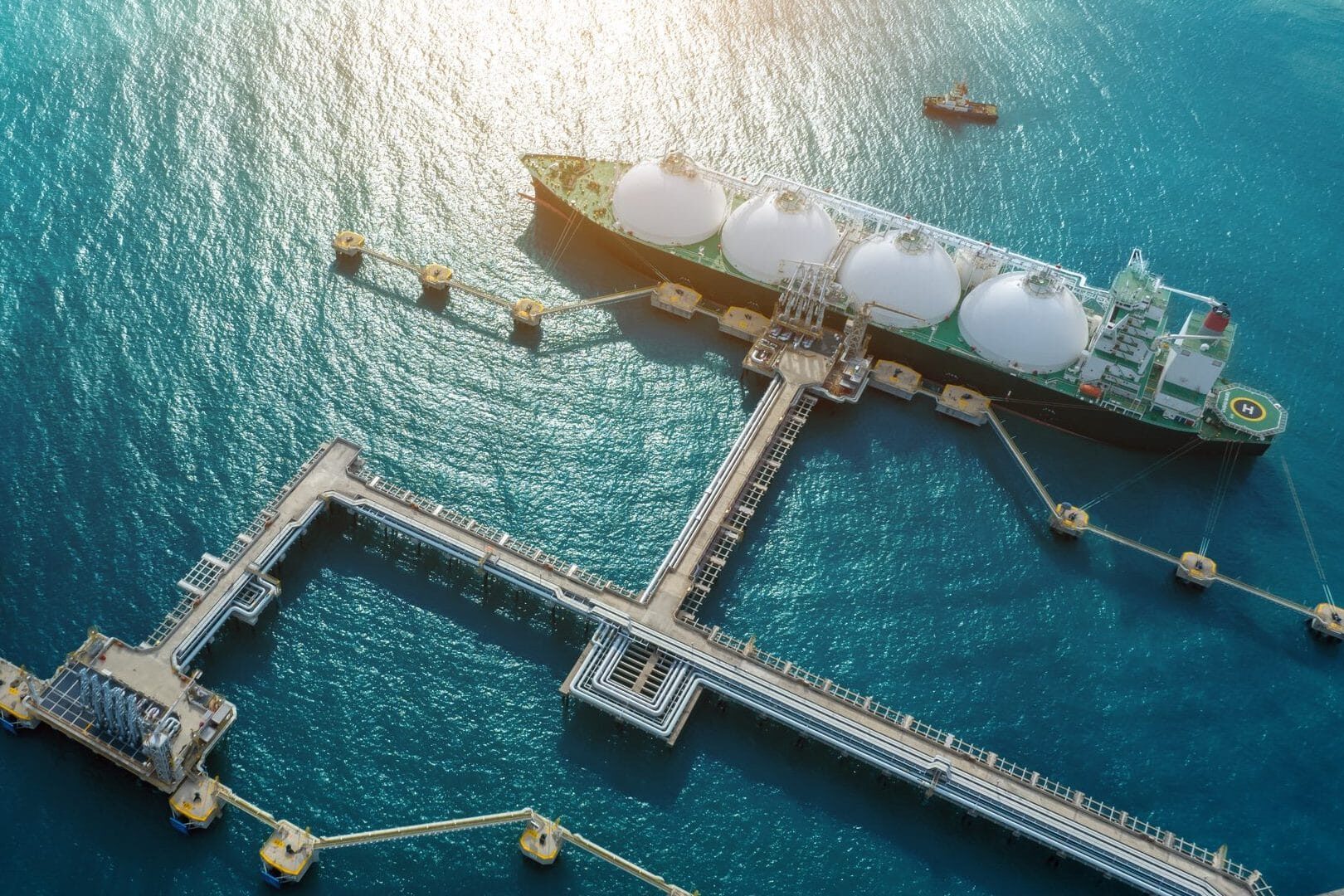
“Proper water treatment systems like RO and demineralization maximize boiler efficiency, minimize maintenance costs, and prevent corrosion or scaling.”
Water Treatment Systems
Maximizing boiler efficiency and minimizing maintenance costs through proper water treatment
INTRODUCTION
Water Treatment Systems for Boilers: A robust Water Treatment System for Boilers is a critical component of any industrial or commercial facility. But with so many options available, choosing the right system can feel overwhelming. Are you confident you’re making the best choice for your specific needs and budget?
This comprehensive guide delves into the critical aspects of water treatment systems for boilers, providing a detailed analysis of different system types, including reverse osmosis (RO) and demineralization systems. We’ll explore effective scale prevention strategies, examining the impact of water hardness and other impurities on boiler performance. Finally, we’ll discuss maximizing boiler efficiency and minimizing maintenance costs through proper water treatment. Our goal is to equip you with the knowledge to select and maintain the optimal system, significantly improving your boiler’s lifespan and overall operational efficiency, and minimizing risks associated with boiler corrosion and scaling.
UNDERSTANDING BOILER WATER TREATMENT SYSTEMS: A COMPREHENSIVE GUIDE FOR BEGINNERS
Understanding a boiler water treatment system is crucial for ensuring the longevity and efficiency of your boiler. This involves a multifaceted approach to maintaining optimal water quality, preventing costly damage, and maximizing operational life. Ignoring this critical aspect can lead to significant financial losses and safety hazards.
Boiler water, unlike regular tap water, requires specialized treatment due to the high temperatures and pressures within the boiler system. These extreme conditions can cause scaling, corrosion, and the formation of harmful deposits, ultimately compromising boiler performance and safety. Effective water treatment for boilers involves a combination of pretreatment, internal treatment, and blowdown processes, carefully tailored to the specific needs of the boiler and its operational context. Ignoring this can lead to issues like decreased efficiency, costly repairs, and increased maintenance requirements, which impacts your business’s bottom line.
The primary goal of any boiler water treatment system is to prevent the formation of scale, corrosion, and fouling within the boiler. Scale, composed mainly of mineral deposits like calcium and magnesium carbonates, reduces heat transfer efficiency, leading to higher energy consumption and increased operational costs. Corrosion, on the other hand, weakens the boiler’s metal components, posing a serious safety risk and necessitating expensive repairs or even complete boiler replacement. Fouling, caused by organic and inorganic matter accumulating on heat transfer surfaces, further exacerbates the issue and impairs the performance of the boiler.
Different types of boiler systems may require different treatment approaches. For example, high-pressure boilers often necessitate more stringent water purity standards compared to low-pressure boilers. The choice of treatment system depends on various factors including boiler size, operating pressure, water quality, and fuel type. A thorough understanding of these factors is essential in determining the right water treatment system for your boiler. Often, consultation with a water treatment specialist is beneficial to identify the optimal approach for your specific system.
Choosing the right system requires careful consideration of several factors: The type of boiler you have (low-pressure, high-pressure, etc.), the water’s initial quality, the anticipated scale and corrosion risks, and your budget for both upfront installation and ongoing maintenance. Effective boiler water treatment is an investment that pays off in the long run through reduced maintenance, increased efficiency, and a longer lifespan for your boiler system.

KEY COMPONENTS OF A BOILER WATER TREATMENT SYSTEM
A comprehensive water treatment system for boilers requires several key components working in concert to prevent scale buildup, corrosion, and other detrimental effects that can lead to costly repairs and downtime. These components ensure the longevity and efficiency of your boiler system by maintaining optimal water quality. Understanding these individual parts is crucial for effective boiler operation and maintenance.
Feedwater Treatment:
Pretreatment Processes form the first line of defense. This stage typically involves several processes to remove impurities before the water even enters the boiler. These processes might include clarification (removing suspended solids), filtration (removing particulate matter), and softening (reducing hardness caused by calcium and magnesium ions). Reverse osmosis (RO) and ion exchange are common methods employed in softening, effectively reducing the potential for scale formation within the boiler itself. For example, a manufacturing plant might use a multi-media filter followed by an RO system to pre-treat its boiler feedwater, ensuring minimal hardness enters the boiler.
Internal Treatment:
Chemicals and Additives are introduced directly into the boiler to address remaining impurities and prevent further problems. This crucial stage utilizes various chemicals, such as oxygen scavengers (e.g., hydrazine, sodium sulfite) to combat corrosion by removing dissolved oxygen. Phosphate treatment controls scale formation by precipitating hardness minerals into a sludge that can be removed via blowdown. Chelating agents prevent the deposition of metal ions, while dispersants keep suspended solids from settling and forming scale. Finally, antifoam agents prevent the formation of foam, which can lead to the carryover of boiler water into steam lines. The specific chemical treatment program is tailored to the boiler’s operating conditions and water chemistry.
Blowdown Systems:
Removing Impurities accumulated within the boiler is essential. Blowdown is a controlled process of removing a portion of the boiler water, carrying away concentrated impurities like solids and dissolved salts. This helps maintain water quality and prevents the concentration of solids from reaching harmful levels. The frequency and amount of blowdown depend on several factors, including boiler operating pressure, water quality, and the type of treatment chemicals used. Regular blowdown, meticulously monitored and controlled, is critical for preventing boiler scaling and ensuring the system’s continued efficiency. A continuous blowdown system is often preferred for high-pressure boilers due to its consistent removal of impurities.
Monitoring and Control Systems:
Maintaining Optimal Water Quality throughout the entire process is paramount. Regular testing and analysis of boiler water parameters, such as pH, conductivity, alkalinity, and dissolved oxygen, is necessary to identify potential issues and adjust the treatment program accordingly. Automated monitoring systems, coupled with sophisticated control mechanisms, allow for real-time adjustments to the chemical feed rates, blowdown rates, and other parameters based on ongoing measurements. This proactive approach ensures the system remains optimally protected against corrosion and scaling, maximizing boiler efficiency and lifespan. Proper monitoring reduces the risk of costly downtime associated with boiler failures resulting from poor water quality.
This overview provides a foundational understanding of the key components of a boiler water treatment system. The specific requirements for a particular system vary depending on factors like boiler type, operating conditions, and water source. The next section will delve into the practical implementation and maintenance of these systems.

PRACTICAL IMPLEMENTATION AND MAINTENANCE OF BOILER WATER TREATMENT SYSTEMS
Implementing and maintaining a robust boiler water treatment system is crucial for preventing costly equipment damage, ensuring operational efficiency, and extending the lifespan of your boiler. Effective implementation involves careful planning, proper installation, and rigorous monitoring, while ongoing maintenance focuses on preventative measures and prompt troubleshooting. This section details practical steps for both implementation and maintenance.
The successful implementation of a water treatment system for boilers begins with a thorough assessment of your boiler’s specific needs. This includes factors such as boiler size, type, operating pressure, and the quality of the feedwater source. Based on this assessment, you can select the appropriate treatment system and components. This might involve selecting from various pretreatment methods such as filtration, ion exchange, or reverse osmosis to remove suspended solids, hardness minerals, and other impurities from the feedwater before it enters the boiler. Consideration should also be given to the internal treatment strategies, such as chemical additions of oxygen scavengers (e.g., hydrazine, hydroquinone), phosphates (for scale and corrosion control), and dispersants (to prevent sludge buildup), all carefully selected to maintain optimal water chemistry for your specific boiler. Finally, a properly designed blowdown system is essential for regularly removing concentrated impurities from the boiler, maintaining water purity, and preventing scale formation.
Installation and Setup of Treatment Systems:
This phase demands precision. All equipment, including pumps, filters, chemical injection systems, and monitoring instruments, must be installed according to the manufacturer’s specifications and industry best practices. Accurate piping and valve configurations are critical to ensure proper water flow and chemical distribution. Thorough testing and commissioning are essential to verify that the system operates as intended before the boiler is put into service. This often involves rigorous water quality analysis to establish baseline parameters.
Regular Monitoring and Testing Procedures:
Continuous monitoring of key water parameters such as pH, conductivity, alkalinity, dissolved oxygen, and phosphate levels is vital for maintaining optimal water chemistry. Regular water sampling and laboratory analysis should be conducted according to a pre-defined schedule, typically ranging from daily to weekly, depending on the boiler’s operating conditions. These tests help identify potential issues early, allowing for timely intervention before they escalate into significant problems. Automated monitoring systems with alarm capabilities can provide real-time alerts, facilitating prompt response to any deviations from optimal parameters. For example, a sudden rise in dissolved oxygen might indicate a leak or failure in the oxygen scavenging system.
Troubleshooting Common Issues:
Understanding common boiler water problems, such as scaling, corrosion, foaming, and carryover, is essential for effective troubleshooting. A systematic approach that considers all aspects of the system will aid in identifying the root causes. For instance, excessive scaling may point to inadequate water softening or chemical treatment, while corrosion could indicate a deficiency in oxygen scavenging or an imbalance in water chemistry. Regular maintenance and proactive monitoring often help mitigate these issues, allowing the operators to focus on solutions before significant damage occurs.
Preventive Maintenance: Extending System Lifespan:
A comprehensive preventive maintenance program is vital for extending the lifespan of the boiler water treatment system. This includes regular inspection and cleaning of filters, membranes, and other components, as well as the timely replacement of worn or damaged parts. Calibration of monitoring instruments and regular chemical analysis maintain the accuracy of the readings. Proper documentation of all maintenance activities is paramount for keeping a record for continuous improvement and future problem-solving.
Safety Procedures and Regulations:
Adhering to all relevant safety regulations and best practices is of paramount importance. Proper handling and storage of chemicals are essential, and employees involved in operation and maintenance must receive appropriate training to ensure their safety and the safety of the facility. Regular safety audits can identify potential hazards and help to prevent accidents. Complying with local environmental regulations for chemical disposal is also critical.
By following these practical implementation and maintenance procedures, facilities can significantly reduce the risk of boiler water-related problems, ensuring efficient and safe operation of their boilers and optimizing the return on investment in their boiler water treatment system. Proactive management contributes significantly to preventing costly repairs and downtime, maximizing the lifespan of the equipment.

ADVANCED BOILER WATER TREATMENT TECHNOLOGIES
Advanced boiler water treatment technologies represent a significant leap forward in ensuring efficient and reliable boiler operation. These methods go beyond traditional chemical treatments, offering more precise control, enhanced efficiency, and minimized environmental impact. Understanding these advancements is crucial for optimizing boiler performance and extending lifespan.
This section explores several cutting-edge techniques that significantly improve water treatment systems for boilers. We will delve into the mechanisms, applications, and benefits of each technology, highlighting their advantages over conventional methods.
Electromagnetic Water Treatment:
This method utilizes electromagnetic fields to alter the physical properties of water, preventing scale formation and corrosion. Electromagnetic fields disrupt the crystalline structure of minerals, preventing them from adhering to boiler surfaces. While effective in certain applications, its effectiveness can vary depending on water chemistry and boiler design. Independent studies show that electromagnetic water treatment can reduce scale formation by up to 50% in some cases, leading to improved heat transfer and reduced maintenance costs. However, it’s often used in conjunction with other treatments for optimal results.
Ultraviolet (UV) Disinfection:
UV disinfection is a highly effective method for eliminating microorganisms in boiler feedwater. UV light destroys the DNA of bacteria, viruses, and other harmful organisms, preventing biological fouling and corrosion. UV systems are particularly useful in treating water sources prone to contamination, offering a chemical-free approach to disinfection. The efficacy of UV disinfection depends on factors such as the intensity of UV light, exposure time, and water turbidity. A well-designed UV system can achieve a 99.9% reduction in microbial load. This significantly reduces the risk of microbiologically influenced corrosion (MIC) and improves overall boiler water quality.
Membrane Filtration Techniques:
Membrane filtration technologies, such as reverse osmosis (RO) and ultrafiltration (UF), are increasingly used for advanced boiler water pretreatment. These processes effectively remove dissolved solids, suspended particles, and colloids, significantly reducing the load on downstream treatment systems. RO is particularly effective at removing dissolved salts and minerals, while UF is better suited for removing larger particles. Membrane filtration can significantly reduce the need for chemical treatment, leading to cost savings and environmental benefits. The choice of membrane technology depends on the specific water quality requirements and the desired level of purification.
Advanced Oxidation Processes (AOPs):
AOPs employ powerful oxidizing agents, such as ozone (O3) and hydrogen peroxide (H2O2), to break down organic contaminants and remove dissolved impurities. These processes are particularly effective in treating water containing high levels of organic matter or recalcitrant pollutants. AOPs can improve water clarity, reduce chemical oxygen demand (COD), and minimize the risk of fouling. However, AOPs require careful control and monitoring to ensure optimal performance and avoid the formation of undesirable byproducts. The application of AOPs in boiler water treatment is growing, particularly in high-purity applications.
The Future of Boiler Water Treatment: Emerging Technologies:
Research and development continue to drive innovation in boiler water treatment. Emerging technologies such as nanotechnology, electrocoagulation, and artificial intelligence (AI)-powered predictive maintenance hold promise for further improving boiler efficiency, reducing operational costs, and minimizing environmental impact. These emerging technologies are being researched for their potential to provide more sustainable and effective boiler water treatment solutions. The integration of AI could revolutionize predictive maintenance by optimizing chemical dosing, anticipating potential issues, and extending system lifespan.
This exploration of advanced technologies showcases the ongoing evolution of boiler water treatment. Selecting the optimal approach depends heavily on factors such as water quality, boiler type, operational requirements, and budget constraints. A comprehensive assessment of these factors is crucial for maximizing the return on investment in any advanced boiler water treatment system.
COST ANALYSIS AND RETURN ON INVESTMENT (ROI) OF BOILER WATER TREATMENT SYSTEMS
Determining the financial viability of a boiler water treatment system requires a comprehensive cost-benefit analysis. This involves evaluating initial investment costs against long-term operational savings and the prevention of costly boiler damage. A thorough understanding of these factors is crucial for making informed decisions about water treatment solutions.
– The initial investment costs of a boiler water treatment system encompass several key areas. These include the purchase price of equipment, such as water softeners, chemical injection pumps, and monitoring systems. Installation costs, including labor and any necessary modifications to existing infrastructure, must also be considered. The specific costs will vary significantly depending on the size and complexity of the boiler system, the chosen treatment technology (e.g., reverse osmosis, ion exchange), and the vendor selected. For example, a large industrial boiler might require a significantly higher upfront investment compared to a smaller commercial system. A detailed breakdown of these costs, obtained through quotes from multiple vendors, is essential for accurate ROI calculations.
– Ongoing operational costs represent another crucial aspect of the economic evaluation. These ongoing expenses include the regular purchase of chemicals (e.g., oxygen scavengers, corrosion inhibitors, biocides), routine maintenance, and periodic monitoring and testing of water quality. Labor costs associated with system operation and maintenance should also be factored in. The frequency and extent of maintenance activities will vary depending on factors such as boiler operation intensity and the chosen treatment methodology. For instance, systems employing complex technologies like reverse osmosis might necessitate more frequent maintenance compared to simpler chemical treatment approaches. Accurate budgeting for these costs, based on historical data or vendor estimates, is necessary for a realistic ROI projection.
– The cost savings achieved by preventing boiler damage are perhaps the most significant benefit of a water treatment system for boilers. Scale formation, corrosion, and fouling can lead to reduced boiler efficiency, increased fuel consumption, premature equipment failure, and costly downtime. Preventing these issues through effective water treatment can translate into substantial cost savings over the system’s lifespan. For example, a study conducted by [Insert credible source and data here – e.g., a specific industry report, case study, or academic paper] found that preventing scale buildup in a large industrial boiler resulted in a [Insert percentage] reduction in fuel consumption and a [Insert dollar amount] decrease in annual maintenance costs. Quantifying these potential savings is crucial for demonstrating the economic viability of the investment.
– Improved efficiency and reduced downtime further enhance the return on investment. Effective water treatment helps maintain optimal boiler performance, minimizing energy waste and maximizing operational uptime. Reduced downtime translates to increased production and avoids the significant losses associated with unplanned outages. For a manufacturing facility, for example, even a short boiler shutdown can lead to substantial production losses, potentially exceeding the costs associated with water treatment. A well-maintained system minimizes the chances of such occurrences, representing a substantial return on the initial outlay.
– Calculating the ROI of a boiler water treatment system involves comparing the total costs (initial investment and ongoing operational expenses) with the total savings (reduced maintenance, fuel savings, and avoided downtime costs) over a specified timeframe (e.g., 5, 10, or 15 years). This calculation can be performed using standard ROI formulas, which should incorporate all relevant cost and benefit factors. Several software programs and financial modeling tools are available to assist with this process, ensuring accurate and comprehensive ROI estimation. A sensitivity analysis, evaluating the ROI under different scenarios, is also advisable for making informed risk-based decisions.
By carefully considering these aspects, businesses can conduct a thorough cost-benefit analysis to determine the true ROI of a water treatment system for boilers, making a well-informed decision based on facts and figures rather than speculation. This assessment will ultimately demonstrate the value of investing in a system that ensures efficient, reliable, and cost-effective boiler operation.
CASE STUDIES: REAL-WORLD EXAMPLES OF SUCCESSFUL BOILER WATER TREATMENT
This section showcases real-world examples demonstrating the effectiveness of implementing a robust water treatment system for boilers. We’ll examine specific case studies highlighting improved efficiency, reduced downtime, and extended lifespan achieved through optimized boiler water treatment strategies. These examples illustrate the significant return on investment (ROI) associated with proactive water treatment.
Case Study 1: Improved Efficiency and Reduced Downtime in a Manufacturing Plant
A large manufacturing plant in Ohio experienced frequent boiler scaling and corrosion, leading to significant downtime and costly repairs. Their existing water treatment system was inadequate to handle the high mineral content of their feedwater. After implementing a comprehensive program including advanced filtration, chemical treatment with oxygen scavengers and dispersants (specifically, using a blend of sodium sulfite and polyacrylate polymers), and regular blowdown, the plant saw a dramatic improvement. Downtime due to boiler issues decreased by 40% in the first year, translating to savings of approximately $200,000 annually. Furthermore, the improved boiler efficiency led to a 5% reduction in energy consumption. This case study clearly demonstrates the impact of a properly designed and maintained boiler water treatment system on operational efficiency and profitability. The successful implementation relied heavily on predictive maintenance and regular monitoring of key water quality parameters such as pH, conductivity, and total dissolved solids (TDS).
Case Study 2: Preventing Corrosion and Extending Boiler Lifespan in a Power Generation Facility
A power generation facility in Texas faced significant challenges due to corrosive water conditions impacting their high-pressure boilers. The facility implemented a multi-faceted approach incorporating advanced oxygen scavenging techniques (using hydrazine as an oxygen scavenger), tailored chemical treatment based on water analysis, and strict adherence to a blowdown schedule. This resulted in a remarkable reduction in boiler corrosion. The anticipated boiler lifespan extension of at least 5 years resulted in substantial cost savings by delaying major overhaul and replacement expenses. Regular monitoring and analysis, along with timely adjustments to the chemical treatment regimen, proved crucial in maintaining optimal water quality and protecting the boiler system. This example underscores the importance of proactive corrosion prevention in extending the lifespan and reliability of high-value boiler assets. Their water treatment system demonstrably outperformed the industry average for longevity.
Case Study 3: Cost Savings and Environmental Benefits Through Optimized Water Treatment
A food processing facility in California sought to optimize its boiler water treatment to reduce costs and minimize its environmental footprint. By adopting a more sustainable approach, including a shift to phosphate-free treatment chemicals and implementing an improved blowdown system for reuse and recycling, the company reduced its chemical consumption by 25% and its wastewater discharge by 15%. This resulted in significant cost savings on chemical purchases, wastewater disposal fees, and reduced environmental impact. The optimization process involved careful water analysis, selection of environmentally friendly chemicals, and a focus on minimizing water waste. This illustrates how water treatment system optimization can contribute to both financial efficiency and environmental responsibility. This optimization was guided by ISO 14001 environmental management standards.
These case studies highlight the critical role of effective water treatment systems for boilers in improving operational efficiency, minimizing maintenance costs, extending equipment life, and reducing environmental impact. Choosing the right system and implementing a robust maintenance program are essential to realize these benefits and achieve a strong ROI. Moving forward, we will delve deeper into the key components of effective boiler water treatment systems in the following sections.
RESOURCES AND FURTHER READING: EXPANDING YOUR KNOWLEDGE OF BOILER WATER TREATMENT SYSTEMS
This section provides a curated list of resources to deepen your understanding of water treatment systems for boilers. We’ve compiled key materials to help you navigate the complexities of boiler water treatment, from fundamental principles to advanced technologies. Expanding your knowledge in this area will enable you to make informed decisions regarding the selection, implementation, and maintenance of optimal systems for your specific needs.
Relevant Standards and Regulations:
Understanding and adhering to relevant standards and regulations is crucial for safe and efficient boiler operation. These regulations often dictate specific water quality parameters and treatment protocols. Key organizations to consult include the American Society of Mechanical Engineers (ASME), which publishes the Boiler and Pressure Vessel Code (BPVC), a widely recognized standard for boiler design, construction, and operation. Additionally, local and national environmental protection agencies often establish guidelines regarding wastewater discharge, influencing the choice of boiler water treatment systems. Consult these agencies for specific requirements within your region. For instance, the Environmental Protection Agency (EPA) in the US provides extensive guidance on industrial wastewater management. Staying updated on these regulations is essential for compliance and minimizing environmental impact. Regularly reviewing updates and changes to these standards and regulations ensures the continued safe and compliant operation of your system.
Industry Associations and Professional Organizations:
Engaging with industry associations and professional organizations offers valuable networking opportunities and access to specialized knowledge. The Water Environment Federation (WEF), for example, provides resources and expertise on various water treatment aspects. Similarly, organizations focused specifically on boiler operation and maintenance, such as the National Boiler and Pressure Vessel Inspector Association (NBPVIA), offer training programs, best practices, and access to experienced professionals. Membership in such organizations often includes access to journals, conferences, and workshops, fostering continuous professional development and allowing for peer-to-peer learning in the field of water treatment for boilers. Participation in these communities allows for the exchange of best practices and the latest advancements in the field.
Recommended Books and Articles on Boiler Water Treatment:
Several reputable sources offer in-depth information on boiler water treatment systems. These include technical manuals provided by equipment manufacturers, academic textbooks on chemical engineering and water treatment, and peer-reviewed journal articles detailing cutting-edge research and best practices. Searching academic databases such as ScienceDirect, IEEE Xplore, and Google Scholar using keywords like “boiler water treatment,” “feedwater treatment,” and “scale prevention” will yield numerous relevant publications. Many reputable publishers also offer books specifically focused on boiler water treatment and related topics; exploring their catalogs will uncover valuable resources. Reviewing these articles and books provides deeper insight into specific treatment techniques, troubleshooting, and cost-benefit analysis related to implementing different systems. Specifically, research papers focusing on electromagnetic water treatment and advanced oxidation processes (AOPs) offer valuable insights into the latest advancements within the field. A well-rounded understanding necessitates exploring various sources and comparing their findings.
GLOSSARY OF TERMS: UNDERSTANDING KEY CONCEPTS IN BOILER WATER TREATMENT
This glossary defines key terms crucial for understanding water treatment systems for boilers, ensuring efficient and safe operation. Proper terminology is essential for effective communication and troubleshooting within the industry. A solid grasp of these definitions will enhance your comprehension of the entire boiler water treatment process.
- Alkalinity: A measure of the water’s capacity to neutralize acids. High alkalinity can contribute to scale formation, while low alkalinity may lead to corrosion. It’s typically expressed in ppm (parts per million) as CaCO₃ (calcium carbonate). Maintaining optimal alkalinity is crucial for boiler efficiency and longevity.
- Blowdown: The process of periodically removing a portion of boiler water to control the concentration of dissolved solids and impurities. This prevents scale buildup and corrosion, maintaining water quality within acceptable limits. Regular blowdown is vital for preventing costly boiler damage.
- Boiler Water Treatment: The comprehensive process of purifying and conditioning boiler feedwater to prevent scale, corrosion, and fouling within the boiler system. This involves chemical treatment, filtration, and monitoring to ensure optimal performance. Effective boiler water treatment minimizes downtime and extends the boiler lifespan.
- Carryover: The entrainment of boiler water droplets into the steam, leading to contamination of the steam and potential damage to downstream equipment. This can be caused by high water levels, excessive foaming, or inadequate water treatment. Careful monitoring and treatment prevent carryover.
- Chelants: Chemicals that form stable soluble complexes with metal ions, preventing them from precipitating out of solution and forming scale or deposits. These help maintain clean boiler surfaces and improve heat transfer efficiency. EDTA (ethylenediaminetetraacetic acid) is a commonly used chelant.
- Corrosion: The deterioration of metal surfaces due to chemical or electrochemical reactions. In boilers, corrosion can be caused by dissolved oxygen, low pH, or the presence of corrosive impurities. Oxygen scavengers and proper pH control are essential for corrosion prevention.
- Dissolved Solids: Minerals and other substances dissolved in the boiler water. High concentrations can lead to scale formation, reduced efficiency, and potential damage to boiler components. Regular blowdown helps control dissolved solids.
- Feedwater: The water supplied to the boiler to replace steam that has been generated. Proper treatment of feedwater is critical for preventing problems within the boiler. Pre-treatment processes are often necessary to prepare feedwater for boiler use.
- Hardness: A measure of the concentration of calcium and magnesium ions in water. Hard water can lead to scale formation, reducing boiler efficiency. Water softening techniques, such as ion exchange, are used to remove hardness.
- Oxygen Scavengers: Chemicals that react with and remove dissolved oxygen from boiler water, preventing corrosion. Hydrazine and sulfite are common oxygen scavengers, though alternatives are emerging for environmental reasons.
- pH: A measure of the acidity or alkalinity of a solution, expressed on a scale of 0 to 14. Maintaining the optimal pH range is essential for preventing corrosion and scale formation in boilers. The ideal pH for boiler water is typically slightly alkaline.
- Scale: Hard deposits of minerals, such as calcium carbonate and calcium sulfate, that form on boiler surfaces. Scale reduces heat transfer efficiency, leading to increased energy consumption and potential boiler damage. Regular chemical treatment and blowdowns help prevent scale formation.
- Silica: A non-volatile impurity that can concentrate in the boiler water and cause problems such as carryover and turbine blade damage. Controlling silica concentration is crucial, especially in high-pressure boilers.
- Suspended Solids: Undissolved particles in the water that can contribute to fouling and damage. Filtration is often used to remove suspended solids from feedwater. Pre-treatment usually addresses suspended solids.
- Total Dissolved Solids (TDS): The total concentration of all dissolved inorganic and organic substances in water. High TDS levels can indicate poor water quality and potential boiler problems. Monitoring TDS is a key aspect of boiler water management.
This glossary provides a foundational understanding of essential terms related to water treatment systems for boilers. Refer to the subsequent sections for a more in-depth exploration of each concept and its practical implications.
(Vn-Industry.)
Home page: https://vn-industry.com/