“Lower heating value (LHV) and higher heating value (HHV) indicate the amount of energy released when a fuel is completely burned. This article explains why calorific value matters when selecting boiler fuel and how to choose the right fuel for each specific project.”
What Is the Calorific Value of Boiler Fuels? Which Fuels Fit Different Plants?
Introduction
Calorific value is a key indicator of the energy released when one unit of fuel is fully combusted.
The calorific value of a fuel—sometimes called the heat of combustion—is the heat liberated when burning one unit of fuel (1 kg for solids / liquids, or 1 standard m3 for gases). It is an essential metric for assessing a fuel’s energy-supplying capability.
Common units include kJ/kg or kcal/kg for solid and liquid fuels, and kJ/m3 or kcal/m3 for gaseous fuels.
Understanding the difference between higher heating value and lower heating value helps engineers and businesses optimise efficiency and cost—especially in applications that use boiler fuels.
Higher Heating Value (HHV / HCV / GHV / GCV)
- Also called the gross calorific value or upper heating value.
- Alternative terms: Higher Calorific Value (HCV), Gross Heating Value (GHV), Gross Calorific Value (GCV).
- HHV includes all heat produced—including the latent heat of the water vapour formed during combustion. HHV assumes all water in the flue gas condenses and its heat is fully recovered.
- HHV is typically used when sizing industrial thermal systems.
Examples:
- Coal: ~6,000 – 7,500 kcal/kg
- Diesel oil (DO): ~10,000 kcal/kg
Lower Heating Value (LHV / LCV / NHV / NCV)
- Also called the net calorific value or lower heating value.
- Alternative terms: Lower Calorific Value (LCV), Net Heating Value (NHV), Net Calorific Value (NCV).
- LHV excludes the latent heat of water vapour in the flue gas—therefore it reflects the heat that can actually be used in real-world systems such as boilers and furnaces.
- LHV is favoured in practice (e.g. engine calculations) because most systems do not recover heat from condensed water.
For instance, natural gas (methane) has:
- HHV ≈ 55.5 MJ/kg
- LHV ≈ 50.0 MJ/kg
→ The gap is the latent heat that is not recovered.

Which Matters More for Energy Calculations, HHV or LHV?
In most industrial applications, lower heating value (LHV) is preferred because it more accurately reflects the useful energy that equipment can extract.
Specifically:
- For boiler systems, biomass fuels, or high-moisture fuels, LHV gives more realistic figures.
- International test standards and design procedures recommend using LHV when calculating efficiency and fuel cost.
Summary:
| Name | Abbreviation | Heat from Water Vapour | Typical Applications |
|---|---|---|---|
| Higher Heating Value | HHV / GCV | YES | Thermal-system design |
| Lower Heating Value | LHV / NCV | NO | Engines, turbines, and real-world efficiency |
Why Is Calorific Value Crucial When Choosing Boiler Fuels?
Knowing the calorific value of each fuel helps you:
- Accurately calculate the fuel mass needed to reach the required steam output.
- Compare operating costs among coal, oil, biogas, or biomass.
- Optimise combustion efficiency and cut CO₂ emissions.
Example:
- LHV of Vietnamese anthracite coal (old formation, glossy black, hard, low moisture, low ash): ~5,200 kcal/kg
- LHV of Indonesian sub-bituminous coal (younger coal, dark brown/black, soft, high moisture, high ash): ~4,700 kcal/kg
→ Vietnamese coal costs more but yields more energy per kilogram.
Calorific Values of Some Typical Industrial Boiler Fuels
The table below is sorted by descending “average calorific value” and grouped into fossil fuels, biomass, and waste fuels:
| Fuel Type | Image | Fuel (Vietnamese) | English | Chinese | HHV | LHV | Average Heating Value (Descending Order) |
|---|---|---|---|---|---|---|---|
| Fossil Fuel |  | Khí dầu mỏ hóa lỏng | Liquefied Petroleum Gas (LPG) | 液化石油气 | 11 900 | 11 100 | 11 500 |
 | Dầu hỏa | Kerosene | 煤油 | 10 800 | 10 100 | 10 450 | |
 | Dầu diezen | Diesel Oil | 柴油 | 10 200 | 9 600 | 9 900 | |
 | Khí nén thiên nhiên | Compressed Natural Gas (CNG) | 压缩天然气 | 9 600 | 8 700 | 9 150 | |
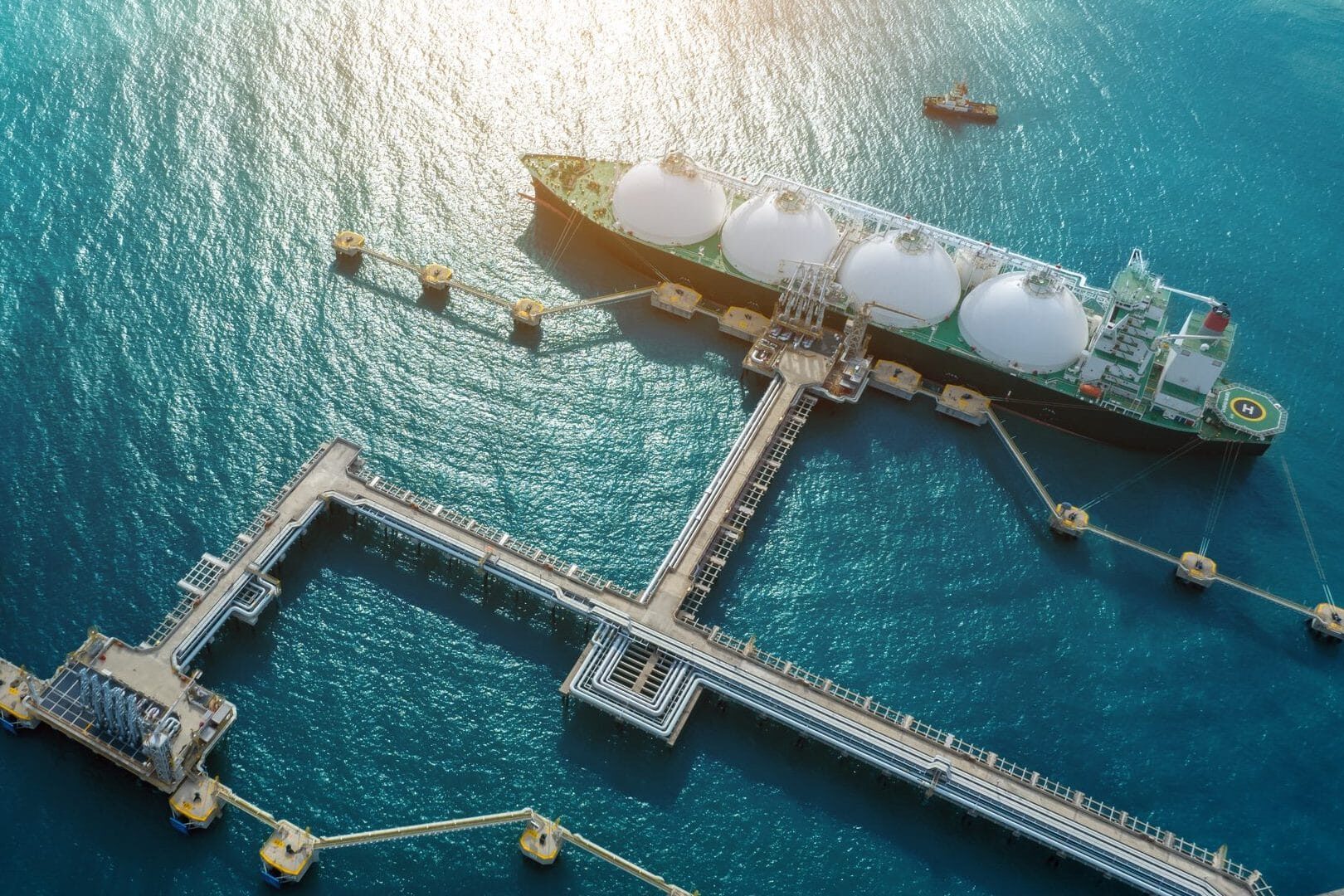
 | Khí thiên nhiên hóa lỏng | Liquefied Natural Gas (LNG) | 液化天然气 | 9 600 | 8 700 | 9 150 | |
 | Than đá Việt Nam (Antraxit) | Vietnam Coal/ Anthracite Coal | 越南煤 | 5 500 | 5 200 | 5 350 | |
 | Than cám Indonesia | Indonesian Coal Fines | 印尼细煤 | 5 000 | 4 700 | 4 850 | |
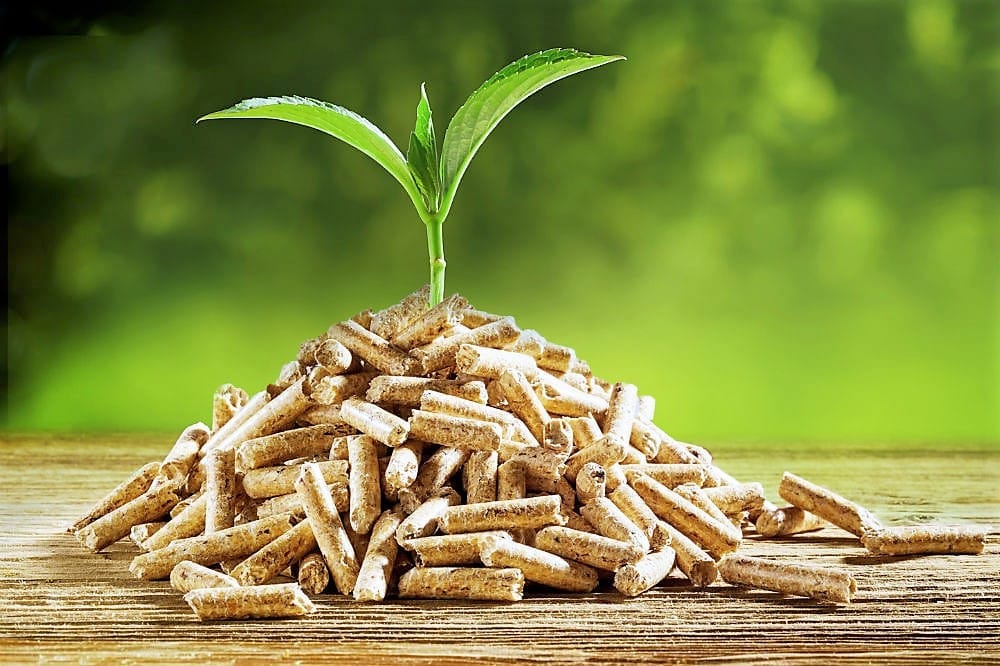
| Biomass |  | Viên gỗ nén | Wood Pellets | 木颗粒 | 4 700 | 4 400 | 4 550 |
 | Viên nén mùn cưa | Sawdust Pellets | 锯末颗粒 | 4 700 | 4 400 | 4 550 | |
 | Bã điều | Cashew Nut Shell | 腰果壳 | 4 600 | 4 200 | 4 400 | |
 | Gỗ vụn | Wood Chips | 木屑 / 木片 | 4 500 | 4 000 | 4 250 | |
 | Bã cà phê | Coffee Grounds | 咖啡渣 | 4 500 | 4 000 | 4 250 | |
 | Mùn cưa | Sawdust | 锯末 | 4 300 | 3 800 | 4 050 | |
 | Vỏ xơ dừa | Coconut Husk | 椰壳 | 4 200 | 3 800 | 4 000 | |
 | Viên nén trấu | Rice Husk Pellets | 稻壳颗粒 | 4 100 | 3 700 | 3 900 | |
 | Trấu rời | Loose Rice Husk | 散装稻壳 | 3 500 | 3 000 | 3 250 | |
 | Bã mía | Bagasse | 甘蔗渣 | 2 300 | 2 000 | 2 150 | |
| Waste / Sludge |  | Bùn giấy thải | Waste Paper Sludge | 纸浆污泥 | 3 000 | 2 500 | 2 750 |
 | Rác thải tổng hợp | Municipal Solid Waste | 城市固体垃圾 | 2 500 | 2 000 | 2 250 |
| Fuel Type | Image | Fuel - English | Average Heating Value (Descending Order) |
|---|---|---|---|
| Fossil Fuel | | Liquefied Petroleum Gas (LPG) | 11 500 |
| Kerosene | 10 450 | |
| Diesel Oil | 9 900 | |
| Compressed Natural Gas (CNG) | 9 150 | |
| Liquefied Natural Gas (LNG) | 9 150 | |
| Vietnam Coal/ Anthracite Coal | 5 350 | |
| Indonesian Coal Fines | 4 850 | |
| Biomass | | Wood Pellets | 4 550 |
| Sawdust Pellets | 4 550 | |
| Cashew Nut Shell | 4 400 | |
| Wood Chips | 4 250 | |
| Coffee Grounds | 4 250 | |
| Sawdust | 4 050 | |
| Coconut Husk | 4 000 | |
| Rice Husk Pellets | 3 900 | |
| Loose Rice Husk | 3 250 | |
| Bagasse | 2 150 | |
| Waste / Sludge | | Waste Paper Sludge | 2 750 |
| Municipal Solid Waste | 2 250 |
Fuel Cost to Generate One Tonne of Steam
Focusing solely on fuel cost (excluding transport, storage, etc.):
| Fuel Type | Fuel | Average Heating Value (kcal/kg) | Reference Energy Price (VND/kg) | Energy Price to Generate 1 MJ (VND/MJ) | Fuel Cost to Produce 1 Ton of Steam* (VND) |
|---|---|---|---|---|---|
| Fossil Fuel | Liquefied Petroleum Gas (LPG) | 11,500 | 25,000 | 520 | 1,819,000 |
| Kerosene | 10,450 | 22,000 | 503 | 1,761,000 | |
| Diesel Oil | 9,900 | 27,000 | 652 | 2,281,000 | |
| Compressed Natural Gas (CNG) | 9,150 | 19,000 | 496 | 1,737,000 | |
| Liquefied Natural Gas (LNG) | 9,150 | 16,000 | 418 | 1,463,000 | |
| Vietnam Coal/ Anthracite Coal | 5,350 | 2,500 | 112 | 391,000 | |
| Indonesian Coal Fines | 4,850 | 1,800 | 89 | 310,000 | |
| Biomass | Wood Pellets | 4,550 | 3,500 | 184 | 643,000 |
| Sawdust Pellets | 4,550 | 3,300 | 173 | 607,000 | |
| Cashew Nut Shell | 4,400 | 2,800 | 152 | 532,000 | |
| Wood Chips | 4,250 | 2,200 | 124 | 433,000 | |
| Coffee Grounds | 4,250 | 2,400 | 135 | 472,000 | |
| Sawdust | 4,050 | 1,500 | 89 | 310,000 | |
| Coconut Husk | 4,000 | 1,800 | 108 | 376,000 | |
| Rice Husk Pellets | 3,900 | 2,000 | 123 | 429,000 | |
| Loose Rice Husk | 3,250 | 1,000 | 74 | 257,000 | |
| Bagasse | 2,150 | 300 | 33 | 117,000 | |
| Waste / Sludge | Waste Paper Sludge | 2,750 | 400 | 35 | 122,000 |
| Municipal Solid Waste | 2,250 | 100 | 11 | 37,000 |
| Fuel Type | Fuel | Reference Energy Price (VND/kg) | Energy Price to Generate 1 MJ (VND/MJ) | Fuel Cost to Produce 1 Ton of Steam* (VND) |
|---|---|---|---|---|
| Fossil Fuel | Liquefied Petroleum Gas (LPG) | 25,000 | 520 | 1,819,000 |
| Kerosene | 22,000 | 503 | 1,761,000 | |
| Diesel Oil | 27,000 | 652 | 2,281,000 | |
| Compressed Natural Gas (CNG) | 19,000 | 496 | 1,737,000 | |
| Liquefied Natural Gas (LNG) | 16,000 | 418 | 1,463,000 | |
| Vietnam Coal/ Anthracite Coal | 2,500 | 112 | 391,000 | |
| Indonesian Coal Fines | 1,800 | 89 | 310,000 | |
| Biomass | Wood Pellets | 3,500 | 184 | 643,000 |
| Sawdust Pellets | 3,300 | 173 | 607,000 | |
| Cashew Nut Shell | 2,800 | 152 | 532,000 | |
| Wood Chips | 2,200 | 124 | 433,000 | |
| Coffee Grounds | 2,400 | 135 | 472,000 | |
| Sawdust | 1,500 | 89 | 310,000 | |
| Coconut Husk | 1,800 | 108 | 376,000 | |
| Rice Husk Pellets | 2,000 | 123 | 429,000 | |
| Loose Rice Husk | 1,000 | 74 | 257,000 | |
| Bagasse | 300 | 33 | 117,000 | |
| Waste / Sludge | Waste Paper Sludge | 400 | 35 | 122,000 |
| Municipal Solid Waste | 100 | 11 | 37,000 |
* Assumptions and Method:
- Prices: domestic Vietnam market, Q2 / 2025, in VND /kg.
- Conversion: 1 kcal = 0.004184 MJ.
- Energy to produce 1 t of saturated steam (feedwater 25 °C): ~2,800 MJ.
- Boiler efficiency assumed 80 % ⇒ fuel energy required: 3,500 MJ.
- Cost per tonne of steam = (3,500 MJ ÷ average calorific value (MJ/kg)) × price (VND/kg).
* Figures are indicative only:
When budgeting or investing in boilers, you should:
- Get updated quotes from suppliers.
- Analyse actual calorific value (ASTM, ISO, TCVN) including moisture and ash.
- Verify boiler efficiency under real load conditions.
Fuel from waste offers the lowest cost. Worldwide, many boilers already fire municipal or industrial waste. Combined heat-and-power (CHP), trigeneration, or waste-to-energy (WtE) plants can use this low-cost energy source. See the TCE WtE plant.
Linking to Biomass & Waste-to-Energy Technologies
1. Waste-to-Energy (WtE) Plants & Waste-Fired Boilers
- Dual economic lever: Lowest steam cost plus power revenue of 2,114 VND/kWh (~10 US¢), higher than hydropower (~1,110 VND/kWh). (Source: env.go.jp)
- Challenges: CAPEX > 1,000 USD/kW (moving-grate or CFB), mandatory SNCR/SDR for NOx, alkali reactor & bag filters to meet QCVN 61-MT:2016.
- When viable? Cities with ≥ 2,000 t MSW/day (Hanoi, HCMC, Can Tho) to ensure ≥ 600 t/day steady feed for a 15 MW unit.
2. Biomass CHP (Combined Heat & Power)
- FiT for biomass CHP: 1,634 VND/kWh (~7 US¢) — lower than WtE but attractive for sugar, starch, or pulp mills. (Source: indochinecounsel.com)
- System efficiency 75 – 80 % turns bagasse (2 150 kcal/kg) into the cheapest steam (~117 k VND/t) and ~100 kWh electricity per tonne of cane.
- Recommended design: 65 bar CFB boiler, single-stage back-pressure turbine; ash rich in silica can be sold as construction material.
3. Rice-husk & Sawdust Pellets
- Pelletising raises energy density to ~4 550 kcal/kg, cutting logistics cost ~60 % versus loose husk.
- Can be co-fired 10 – 20 % in pulverised-coal boilers with minor feeder & air-valve tweaks—instant CO₂ cuts with minimal CAPEX.
- Trend 2025 – 2030: cement plants and Cái Mép power station pilot 30 % biomass pellets to meet Net Zero 2050 (Decision 500/QĐ-TTg).
4. Converting Coal Units to Biomass
- PDP8 targets 100 % biomass/ammonia firing for CFB coal units after 2030. (Source: energyalliance.org)
- Steam from pellets (~600 k VND/t) costs more than coal, but projected carbon pricing (~200 k VND/t CO₂ in 2030) can close the gap.
*PDP8 – Decision 500/QĐ-TTg (15 May 2023) is Vietnam’s eighth Power Development Plan (2021–2030, vision 2050), guiding national power-sector investment and the green transition.
Conclusion
Heavy industry with steady steam ≥ 10 t/h
Use local rice husk, sawdust, or cashew-shell waste; invest in a new CFB or chain-grate boiler instead of retrofitting old coal units.
Urban areas & industrial parks with > 1 000 t/day waste
Build a 20 – 30 MW grate-fired WtE plant; leverage high FiT to recoup investment in < 8 years.
FiT (Feed-in Tariff) is a state-mandated, fixed power price to encourage renewables (solar, wind, biomass, WtE). EVN buys electricity under long-term PPAs (15 – 20 years) at this guaranteed rate, securing investor returns.
Examples:
- Electricity from waste: 2,114 VND/kWh (~10 US¢)
- Biomass CHP: 1,634 VND/kWh (~7 US¢)
- Legacy rooftop solar: 8.38 US¢/kWh (Decision 13/2020/QĐ-TTg)
Sugar, brewery, and paper mills
Biomass CHP is the “sweet spot”: cheapest steam plus extra electricity revenue—prioritise bagasse, coffee husk, and other wet residues.
Carbon-neutral export facilities
Co-fire 20 – 30 % biomass pellets in existing coal boilers to meet RE100/CBAM without shutdown.
With transparent fuel costs and supportive FiT policies, biomass and waste fuels are moving from “environmental option” to “competitive economic choice”—provided businesses secure fuel supply chains and upgrade boilers to meet tighter emission standards.
(Vn-Industry.)
Homepage: https://vn-industry.com