“Coal plays a key role in Vietnam’s industrial growth despite environmental challenges and the ongoing transition to sustainable energy sources.“
COAL IN THE CONTEXT OF INDUSTRIAL DEVELOPMENT
Coal and Its Role in Vietnam’s Power Industry
INTRODUCTION
Vietnam is undergoing rapid industrialization and modernization, driving a significant rise in energy demand. Coal remains indispensable due to its ability to supply large, cost-effective, and readily available energy sources. Consequently, industries such as steel, cement, and electricity rely on coal to maintain stability, contributing to economic growth.
1. Sustainability and Challenges in Coal Usage
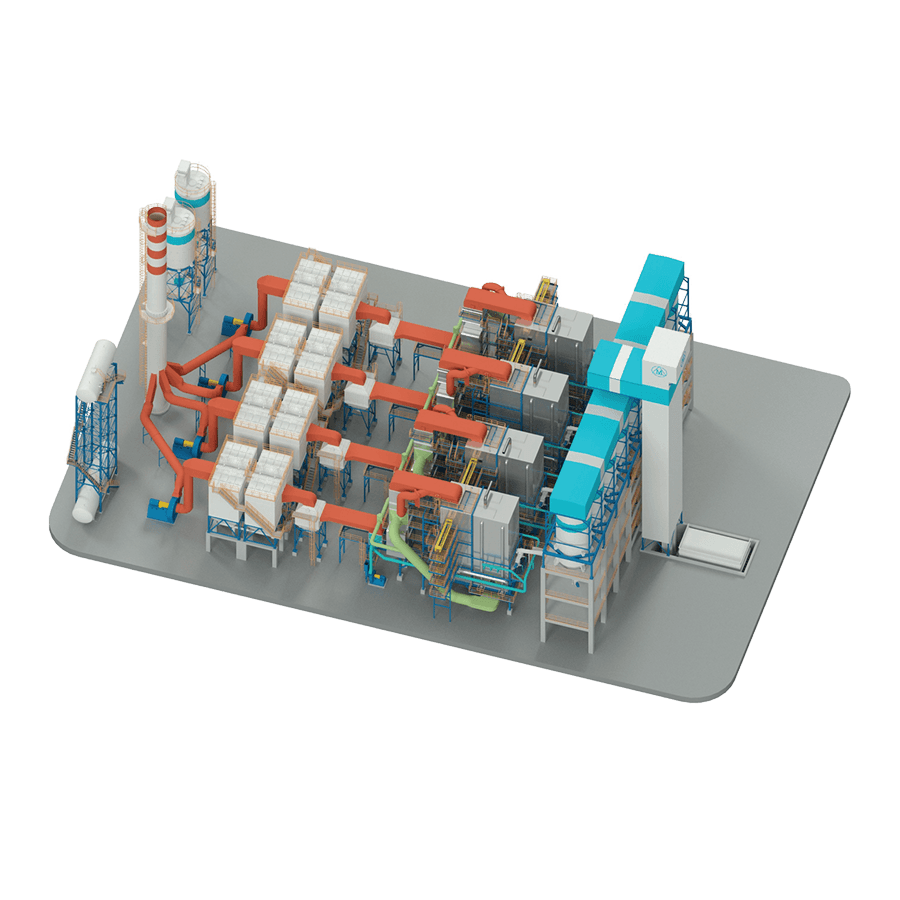
Coal remains vital to Vietnam’s energy mix, but it presents significant environmental challenges. Burning coal emits CO₂, contributing to climate change and air pollution. To address these issues, Vietnam is adopting advanced technologies to improve sustainability. For instance, circulating fluidized bed (CFB) boilers enhance combustion efficiency while reducing harmful emissions. This technology aligns with the global trend toward cleaner industrial practices

Furthermore, transitioning to a sustainable energy future requires balancing economic growth with environmental protection. Modern power plants incorporate emission control systems to mitigate pollution. These efforts demonstrate Vietnam’s commitment to addressing global environmental concerns while meeting its energy needs.
2. Vietnam’s Energy Transition
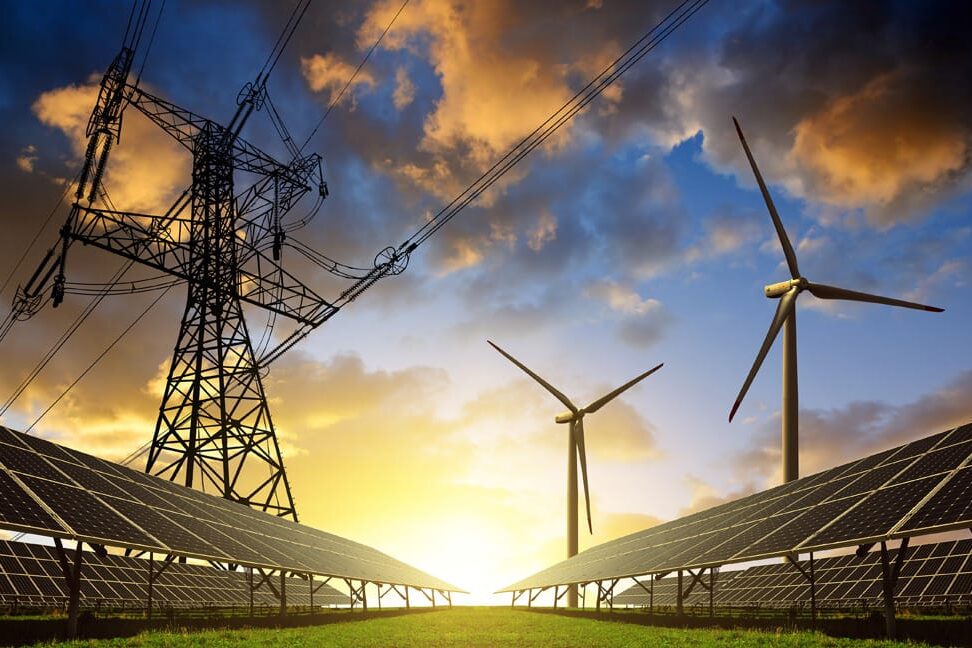
Vietnam is actively transitioning toward renewable energy sources such as solar, wind, and biomass. These alternatives aim to reduce dependency on coal while promoting sustainable development. However, challenges remain, including high investment costs and underdeveloped infrastructure.
Transitioning to renewables is a complex process requiring long-term planning and substantial financial support. Despite these obstacles, coal continues to play a primary role in the short term. By implementing emission-reduction measures, Vietnam ensures coal remains a viable energy source while minimizing its environmental footprint.
3. Carbon Capture Technology: A Promising Solution
Carbon capture and storage (CCS) technology is emerging as a potential solution for reducing emissions from coal-fired power plants. This innovation allows power plants to capture CO₂ emissions, store them safely, and limit their release into the atmosphere.
With government support and incentives, CCS has the potential to transform Vietnam’s power sector. By combining CCS with existing coal-based energy production, the nation can meet its environmental commitments without compromising its electricity supply. Additionally, CCS technology contributes to a greener future by ensuring sustainable energy practices.

4. Imported Coal for Vietnam’s Power Sector
Vietnam’s power industry relies on imported coal from reliable markets to meet growing demand. Several types of coal are particularly suited to Vietnam’s energy needs:
-
Australian Coal: Australia, the world’s largest coal exporter, provides high-quality coal with stable characteristics and excellent calorific value. Its structural durability makes it a preferred choice for boilers and thermal power plants.
-
Indonesian Coal: Indonesia offers a diverse range of coal with varying calorific values. Its high volatile matter and moisture content ensure safe usage. Additionally, its proximity to Vietnam significantly reduces transportation costs, enhancing its competitiveness in the market.
-
Russian Coal: Russian coal, known for its high calorific value and consistent quality, meets the stringent requirements of power plants and industrial boilers. Vietnam’s growing capacity to process and utilize Russian coal reflects its adaptability and strategic sourcing.
These imported coal sources not only provide stable energy supplies but also help optimize production costs and improve efficiency in Vietnam’s power industry.

5. Balancing Energy Demand and Environmental Goals
As Vietnam’s economy grows, balancing energy demand with environmental sustainability becomes increasingly critical. The government is exploring diverse strategies to maintain this balance. Expanding renewable energy infrastructure, adopting cleaner coal technologies, and incentivizing CCS implementation are key measures in this effort.
In the short term, coal will remain a cornerstone of Vietnam’s energy strategy. By combining traditional energy sources with modern, eco-friendly technologies, Vietnam is setting the stage for a more sustainable industrial future.
CONCLUSION
Coal plays a pivotal role in supporting Vietnam’s industrialization by ensuring a reliable and affordable energy supply. However, its environmental challenges necessitate innovative solutions and a strategic energy transition. With advancements like CCS and cleaner coal technologies, Vietnam can achieve sustainable growth while minimizing its environmental impact. By leveraging renewable energy and optimizing coal usage, the country is paving the way for a greener, more efficient future.
(Vn-Industry.)
Home page: https://vn-industry.com/