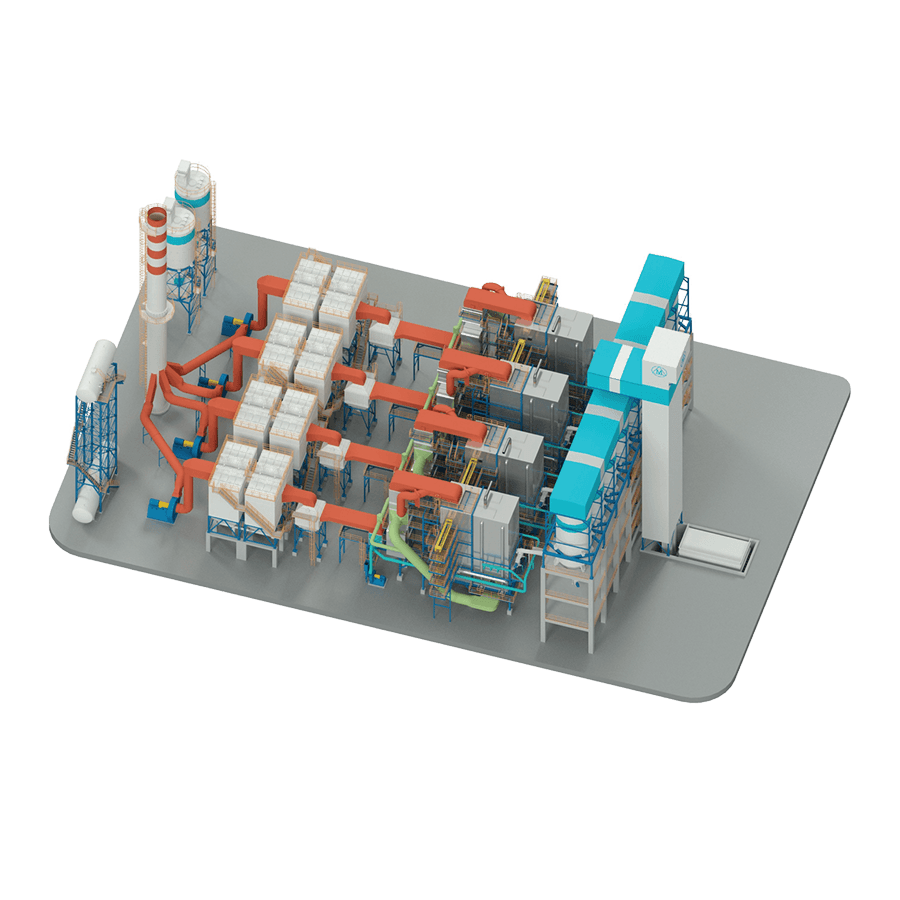
“Fuel quality control significantly improves boiler efficiency by managing moisture, purity, size, and emissions to ensure safe, sustainable operations.”
FUEL QUALITY CONTROL FOR EFFICIENT BOILER OPERATIONS
Essential for achieving efficient boiler operations
INTRODUCTION
Fuel quality control is essential for achieving efficient boiler operations, as it directly influences combustion efficiency and operational safety. Implementing stringent measures to regulate fuel quality ensures not only optimal performance but also compliance with environmental standards.

The Importance of Fuel Quality Control for Efficient Boiler Operations
To maintain efficient boiler operations, controlling the quality of fuel is crucial. Fuel quality impacts various aspects of the combustion process, including efficiency, emissions, and maintenance. Employing a comprehensive approach to evaluate fuel properties ensures a safer and more cost-effective operation.
1- Moisture and Purity Check for Optimal Performance
The moisture content of fuel plays a pivotal role in combustion efficiency. High moisture levels can result in incomplete combustion, releasing harmful gases and reducing energy output. Conversely, low moisture content can lead to overly rapid combustion, creating excessively high temperatures that may pose safety risks. Additionally, monitoring fuel purity is equally important. Impurities can lead to system abrasion, clogged filters, and increased exhaust pollution, all of which diminish boiler efficiency and increase maintenance costs.
For instance, regular checks and pre-treatment processes can effectively address these challenges, ensuring the fuel meets the required standards. By taking a proactive approach, operators can enhance safety and reduce operational disruptions.
2- Size Check for Optimal Performance
Ensuring the correct fuel size is vital for smooth boiler operations. Different boilers have specific requirements for fuel dimensions, making this factor an integral part of fuel quality control. Oversized fuel particles can block the combustion chamber, interrupting operations, while undersized particles may burn too rapidly, leading to fluctuations in temperature and pressure.
Moreover, using fuel with consistent sizing improves combustion stability and reduces the likelihood of system overloading. Regularly inspecting and adjusting fuel size helps maintain steady operations and extends the boiler’s lifespan.
3- Ash Content and Emission Standards
Controlling ash content in fuel is another critical step for efficient boiler operations. Excessive ash can block exhaust filters and contaminate combustion systems, leading to higher maintenance demands and reduced efficiency. Additionally, managing harmful emissions is essential for meeting environmental regulations and safeguarding public health. Advanced treatment technologies can help minimize pollutants, ensuring emissions remain within acceptable limits.
By prioritizing these measures, boiler operators can mitigate risks, enhance sustainability, and align with stringent environmental requirements.
How Fuel Quality Control Enhances Boiler Operations
Fuel quality control not only optimizes combustion efficiency but also reduces the risk of operational hazards. Proper assessment of moisture, purity, size, and ash content leads to smoother operations and longer equipment life. Furthermore, employing technologies to treat emissions fosters environmental compliance, ensuring the boiler system operates sustainably and effectively.
CONCLUSION
In conclusion, implementing thorough fuel quality control processes is indispensable for efficient boiler operations. By addressing key factors such as moisture, size, and emissions, operators can achieve optimal performance, enhanced safety, and compliance with environmental standards.
(Vn-Industry.)
Home page: https://vn-industry.com/