“Internal desuperheaters regulate superheated steam temperature by injecting water, enhancing safety, efficiency, and control in industrial steam systems.”
Internal desuperheater
Regulate the temperature of superheated steam during its transition from a superheated state to a saturated state.
INTRODUCTION TO INTERNAL DESUPERHEATER
An Internal Desuper Heater is a device used in steam boiler systems to regulate the temperature of superheated steam during its transition from a superheated state to a saturated state. This process is known as desuperheating.

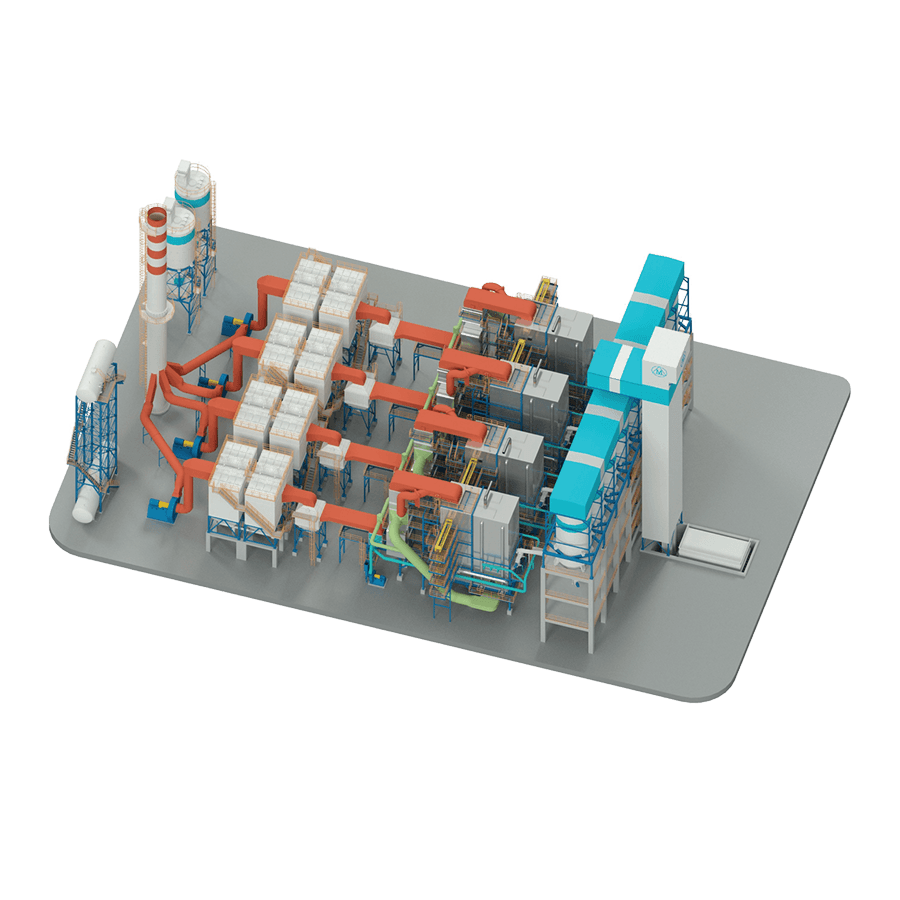
Figure 1 – Internal desuperheater
In the operation of a steam boiler, the temperature of the generated steam can exceed the required temperature for certain specific applications. For instance, superheated steam is often utilized in industrial processes that demand high temperatures, such as fueling steam engines, turbines, and chemical production processes.
However, in some cases, it’s necessary to reduce the temperature of the steam to a certain level to ensure safety and efficiency in the utilization process. This is where the Internal Desuperheater comes into play. This device allows us to mix a small amount of water with the superheated steam, effectively lowering its temperature to the desired level.
Generally, the Internal Desuper Heater features a complex structure and operating mechanism, involving mechanisms to inject water into the flow of superheated steam to cool it down. Depending on the design of the boiler and the specific requirements of the application, different types of Internal Desuperheaters can be employed.
In summary, an Internal Desuperheater in a steam boiler is a device used to lower the temperature of superheated steam by mixing it with water, to meet specific temperature requirements for various industrial processes.
WORKING PRINCIPLE OF INTERNAL DESUPERHEATER
The Internal Desuperheater operates by injecting finely atomized water into the superheated steam. This water absorbs the excess heat from the steam as it evaporates, bringing the steam’s temperature closer to its saturation point. The process requires precise control to ensure the desired steam temperature is achieved without causing condensation within the steam line.
Key components involved in this process include:
-
Water Injection Nozzle: Ensures a fine spray of water for maximum heat absorption.
-
Steam Flow Path: Designed to facilitate optimal mixing of water and steam.
-
Control Valves and Sensors: Maintain the required water injection rate based on real-time steam temperature measurements.
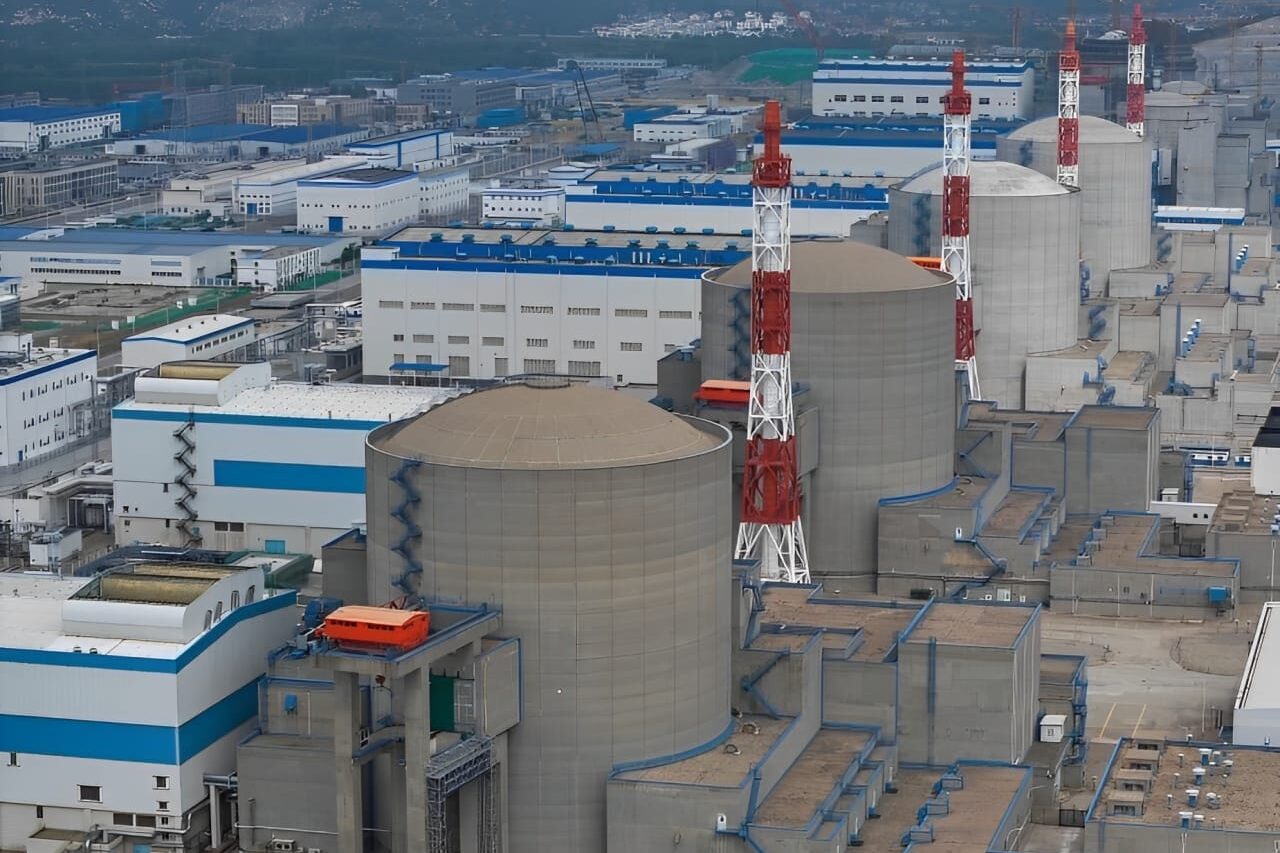
 Figure 2 – Internal desuperheater
TYPES OF INTERNAL DESUPERHEATERS
Internal Desuperheaters come in various designs tailored to specific industrial applications:
-
Venturi-Type Desuperheaters: Utilize a venturi nozzle to ensure uniform mixing of steam and water.
-
Spray-Type Desuperheaters: Employ specialized spray nozzles for water injection.
-
Steam Conditioning Desuperheaters: Combine pressure reduction and desuperheating in a single unit, often used in power plants.
APPLICATIONS OF INTERNAL DESUPERHEATERS
Internal Desuperheaters find widespread application across numerous industries:
-
Power Generation: To regulate steam temperatures for turbines.
-
Petrochemical Industry: For processes requiring specific steam conditions.
-
Food and Beverage Industry: To achieve precise steam temperatures in sterilization and heating processes.
-
Paper and Pulp Industry: For steam conditioning in drying and other operations.

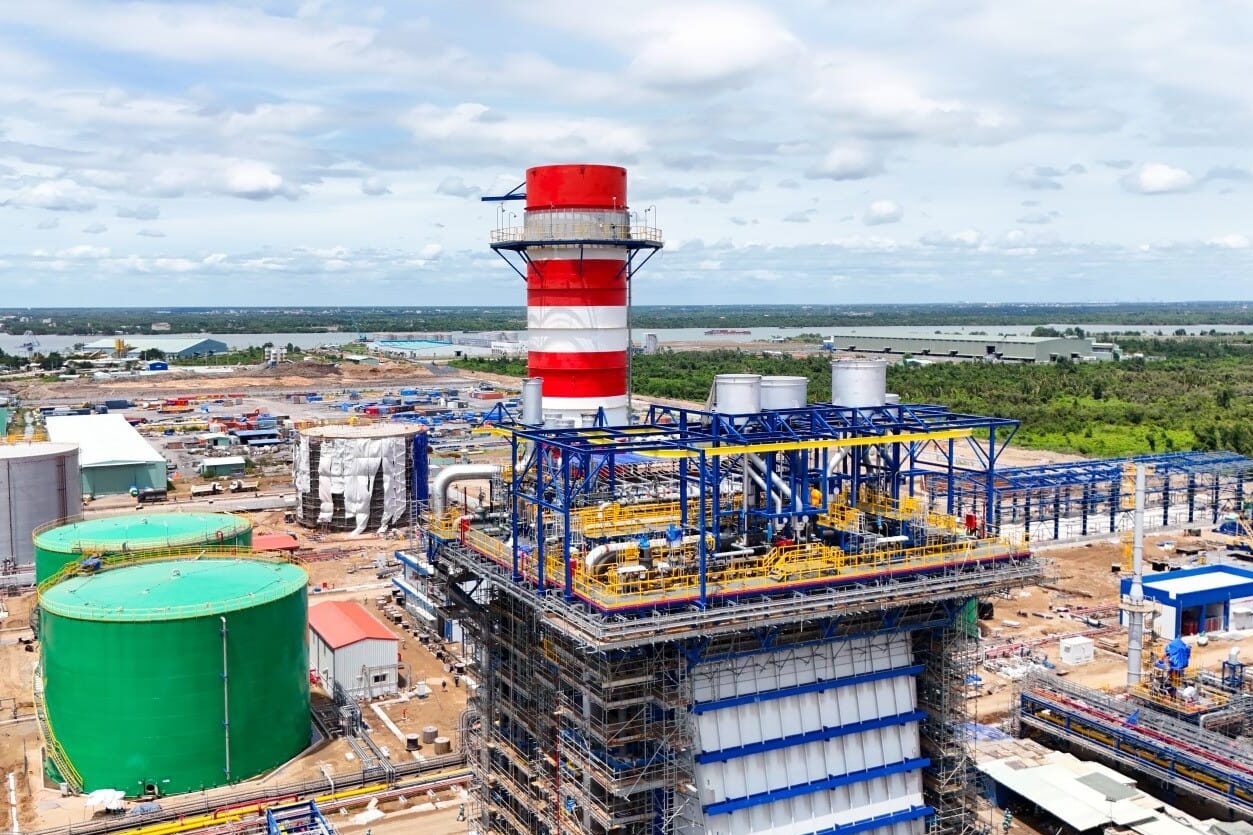
Figure 3 – Internal desuperheater
BENEFITS OF INTERNAL DESUPERHEATERS
The use of Internal Desuperheaters offers several advantages:
-
Enhanced Efficiency: Prevents energy losses associated with excessive superheating.
-
Safety Improvement: Reduces the risk of equipment damage caused by overheating.
-
Versatility: Adapts to varying industrial requirements with precise temperature control.
CONCLUSION
The Internal Desuperheater is an indispensable component in modern steam systems. Its ability to regulate steam temperature ensures optimal performance, safety, and adaptability across a wide range of industrial applications.
(Vn-Industry.)
Home page: https://vn-industry.com/