“Waste-to-energy (WTE) plants help effectively process household waste and generate clean electricity. So, how many tons of waste need to be burned to produce 1 MW of electricity? How many waste-to-energy plants does Ho Chi Minh City need? Where is the Vietstar waste-to-energy plant located? What is the process for waste-to-energy conversion? What technology is used in waste-to-energy incinerators? Who is the leading unit in Vietnam? All will be covered in this article.”
How Many Tons of Waste Are Needed to Generate 1 MW of Electricity? What Capacity Plants Does Ho Chi Minh City Require?
1. How Many Tons of Waste Are Required for 1 MW of Electricity?

Based on data from waste-to-energy plants in Vietnam and globally, to generate 1 MW of continuous electricity, it requires burning approximately:
- 3 – 4 tons of waste/hour
- Or approximately 72 – 96 tons of waste/day
➡️ On average, 80 tons of waste/day to produce 1 MW of electricity. (Source: JICA 2020, UNEP 2019, Vietstar.vn, Tuổi Trẻ Online 2022)
Currently, waste-to-energy plants like Vietstar utilize high-capacity incinerators capable of handling waste with high thermal efficiency, optimizing electricity recovery.
2. How Much Waste Does Ho Chi Minh City Generate Daily?
Ho Chi Minh City generates approximately 9,500 – 10,000 tons of household waste per day. Most of this is still being handled through landfilling, which puts pressure on the environment and urban land resources.


| 2009: Residents accused Da Phuoc landfill of discharging wastewater into the environment. |
| Since mid-2016, Strong odors have appeared in residential areas in southern Ho Chi Minh City. |
| 2017: The Vietnam Environment Administration (Ministry of Natural Resources and Environment) fined VWS Company 1.5 billion VND for environmental violations. |
| 2018: The Government Inspectorate released a report verifying citizens’ complaints and highlighting numerous violations related to waste management at Da Phuoc landfill. |
| Since 2016, every year from June to November, the Da Phuoc landfill area consistently generates foul odors. |
3. How Many MW Are Needed to Process All Waste in Ho Chi Minh City?
With an average efficiency of 80 tons/MW/day, we calculate:
10,000 tons / 80 tons = 125 MWAdding 15% maintenance reserve capacity:
125 MW × 1.15 = ~144 MW➡️ Ho Chi Minh City needs about 140 – 150 MW of waste-to-energy capacity to process all household waste daily, including during maintenance periods.
Applying modern WTE technologies ensures waste processing without secondary pollution while efficiently recovering heat for electricity generation.


4. How Many Waste-to-Energy Plants Are Required?
The average capacity of waste-to-energy plants is approximately:
- 20 – 40 MW/plant
To achieve a total capacity of 150 MW:
150 MW / 30 MW = 5 plants➡️ Approximately 4–6 medium to large-scale WTE plants are needed.
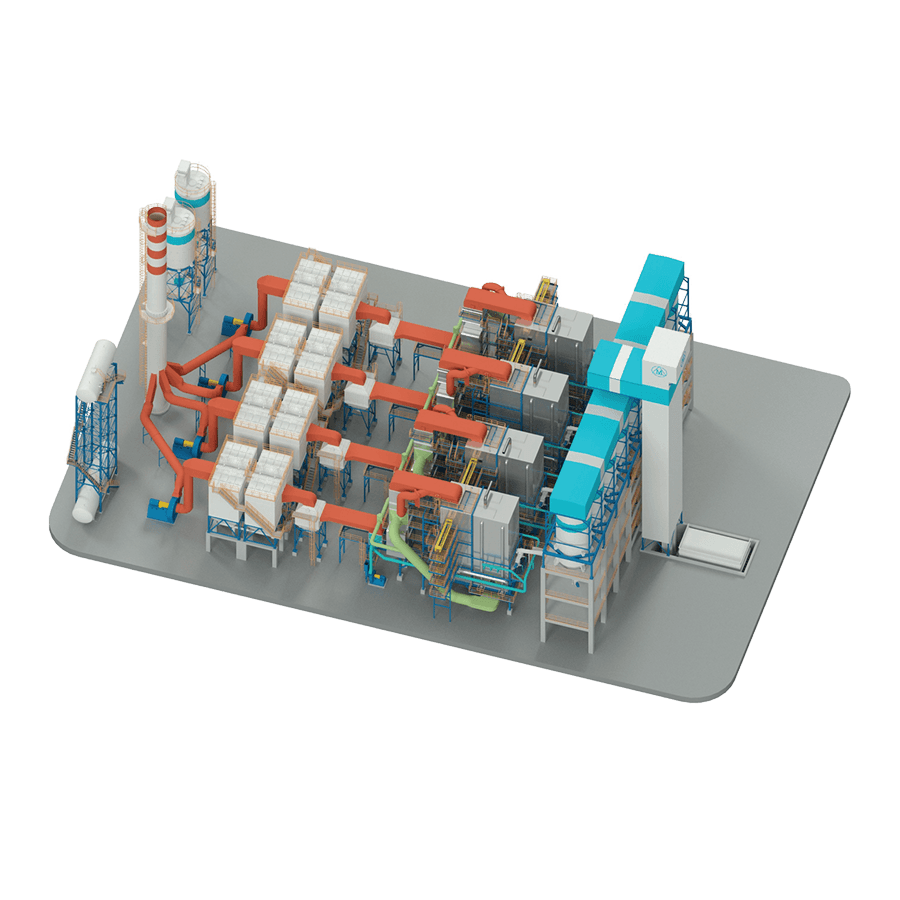
Each waste-to-energy plant requires modern incinerator systems, heat recovery units, and power generation turbines to ensure maximum efficiency. Boiler technologies currently used for waste-to-energy in Vietnam include grate firing and chain grate boilers. Leading companies in this field include Martech Boiler.


Watch the cogeneration plant explanation video
5. Existing Waste-to-Energy Plants in Ho Chi Minh City
| Plant Name | Waste Processing Capacity | Estimated Power Generation |
|---|---|---|
| Vietstar Plant (Cu Chi) – Construction began in March 2025 (3,500 billion VND) | ~2,000 tons/day | ~25 MW |
| Tam Sinh Nghia Plant – Construction began in July 2024 (6,400 billion VND) | ~1,000 tons/day | ~12 MW |
| Tasco Plant (Northwest Cu Chi) | Under development | ~12 – 25 MW |
The Vietstar Waste-to-Energy Plant is a prime example in Ho Chi Minh City, leveraging advanced European waste-to-energy incineration technologies to minimize emissions and recover energy.
🔹 Ho Chi Minh City currently has or is constructing 2–3 plants, but their combined capacity is insufficient to process all daily waste.
➡️ The city needs to build 2–3 additional plants between 2025 and 2030.


6. Benefits of Waste-to-Energy Plants
- ✅ Effective Waste Processing: Reduces dependency on landfills, saving land space
- ✅ Electricity Generation: Powers local grid, easing system load
- ✅ Environmental Protection: Minimizes greenhouse gas emissions and odors
- ✅ Reuse of Ash Residue: Can be repurposed as construction material if treated properly
- ✅ Contributes to Green, Circular Urban Development
With a closed-loop, modern WTE process, these plants can operate efficiently, reduce emissions, and maximize energy recovery from household waste.
Conclusion
Ho Chi Minh City needs approximately 5 waste-to-energy plants with a total capacity of 140–150 MW to process ~10,000 tons of daily household waste, including during maintenance. This is an effective solution for comprehensive waste management, reducing pollution, saving land, and generating clean energy for the city.
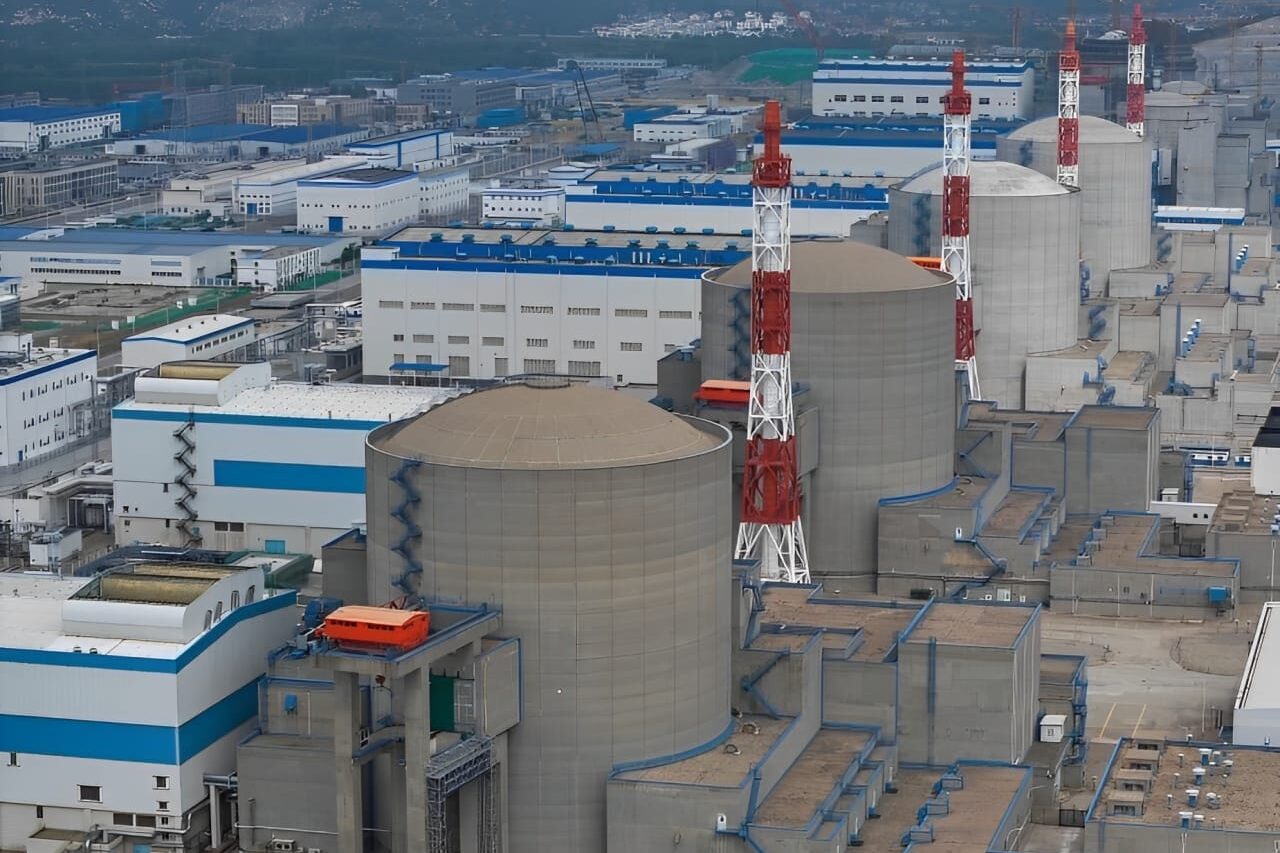
In addition to waste-to-energy plants, Vietnam should adopt other modern technologies such as combined cycle power plants, tri-generation systems, nuclear technology, and hydrogen plants to harness other energy forms and convert them into useful resources.
References
- JICA & Ministry of Natural Resources and Environment (2020). Technical Guide for Waste Incineration with Energy Recovery – env.go.jp
- UNEP & ISWA (2019). Waste-to-Energy Report – unep.org
- Vietstar Company – vietstar.vn
- Tuoi Tre Newspaper (2022). Ho Chi Minh City Accelerates Waste-to-Energy Plant Construction – tuoitre.vn
- Martech Boiler Company – Martech Boiler