
Textile industry
The Textile Industry: Innovation and Sustainability – Sustainable textiles – Smart textiles
The textile industry is a vital pillar of global manufacturing, evolving to meet diverse consumer and industrial demands. This sector produces fabrics and materials for clothing, home furnishings, healthcare, automotive, and more. From traditional natural fibers like cotton and wool to advanced synthetic and smart textiles, the industry caters to a wide array of applications.
One of the key trends shaping the textile industry is sustainability. Consumers are increasingly demanding eco-friendly options, driving manufacturers to adopt greener practices. Innovations like recycled materials, organic fibers, and waterless dyeing methods are helping to reduce environmental impact. Additionally, companies are focusing on ethical labor practices to enhance their global reputation.
Technology also plays a pivotal role in the evolution of the textile sector. Smart textiles, embedded with sensors and electronics, are revolutionizing industries such as healthcare and sportswear. Automation and AI are streamlining production, improving efficiency, and reducing costs. Digital printing technologies are enabling more vibrant, precise designs with less waste.
The global textile market is poised for growth, driven by rising consumer demand, innovation, and sustainability initiatives. Emerging markets in Asia and Africa are expanding their textile production capabilities, while established players focus on research and development.
In conclusion, the textile industry is at the forefront of innovation, balancing tradition with technology and sustainability. It continues to play a crucial role in the global economy, shaping the future of fashion, technology, and industrial materials.

CHP systems in the textile industry
“CHP systems optimize textile industry efficiency, reduce costs, enhance production, and support sustainability by utilizing waste heat effectively.”…
NEW PROJECTS
How many waste-to-energy plants does Ho Chi Minh City need to process 10,000 tons of waste per day?
“Waste-to-energy plants help treat household waste effectively and generate clean electricity. So how many tons of waste need to be…
BYD Indonesia EV Manufacturing Plant Subang
“BYD Indonesia establishes an advanced EV manufacturing facility in Subang Smartopolian, enhancing Indonesia’s green energy goals and industrial growth.” BYD…
Long Son Integrated Petrochemicals Complex
“Employment opportunities and sustainable practices are key benefits of the LSP Complex, enhancing the petrochemical industry.” Long Son Integrated Petrochemicals…
Jurong Island Refinery Expansion
“Singapore’s energy industry thrives with Jurong Island Refinery, advancing sustainability, innovation, and efficient crude oil transformation.” Jurong Island Refinery Advancing…
The PIPC – RAPID Project
“The PIPC – RAPID Project in Malaysia is a $16 billion initiative revolutionizing Southeast Asia’s petrochemical and refining industry.” Exploring…
Popular Posts

To Reduce Pollution and Power Electric…
This article analyzes the waste-to-energy solution as a way to reduce pollution…


Industrial Gallery


Civilian Nuclear Energy
ASEAN advances civilian nuclear energy with innovations, safety measures, and sustainable power solutions region-wide

Rooftop Solar Boom in Urban…
This article explores the rooftop solar boom in Vietnam and the Philippines. From homes…

Energy Transition and New Business…
This article analyzes the new business models in the power sector in Southeast Asia,…

The Potential of Biomass Energy…
This article explores biomass energy development in ASEAN, focusing on resource potential, clean energy…
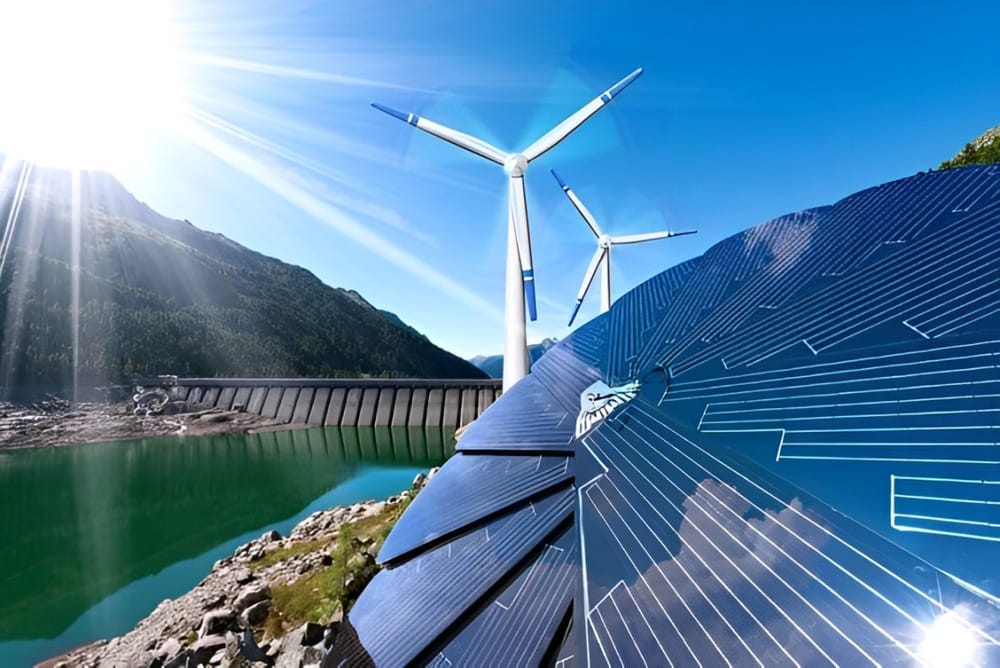
Vietnam Malaysia renewable energy cooperation
Vietnam Malaysia renewable energy cooperation boosts clean energy projects, promotes sustainable development, and enhances…
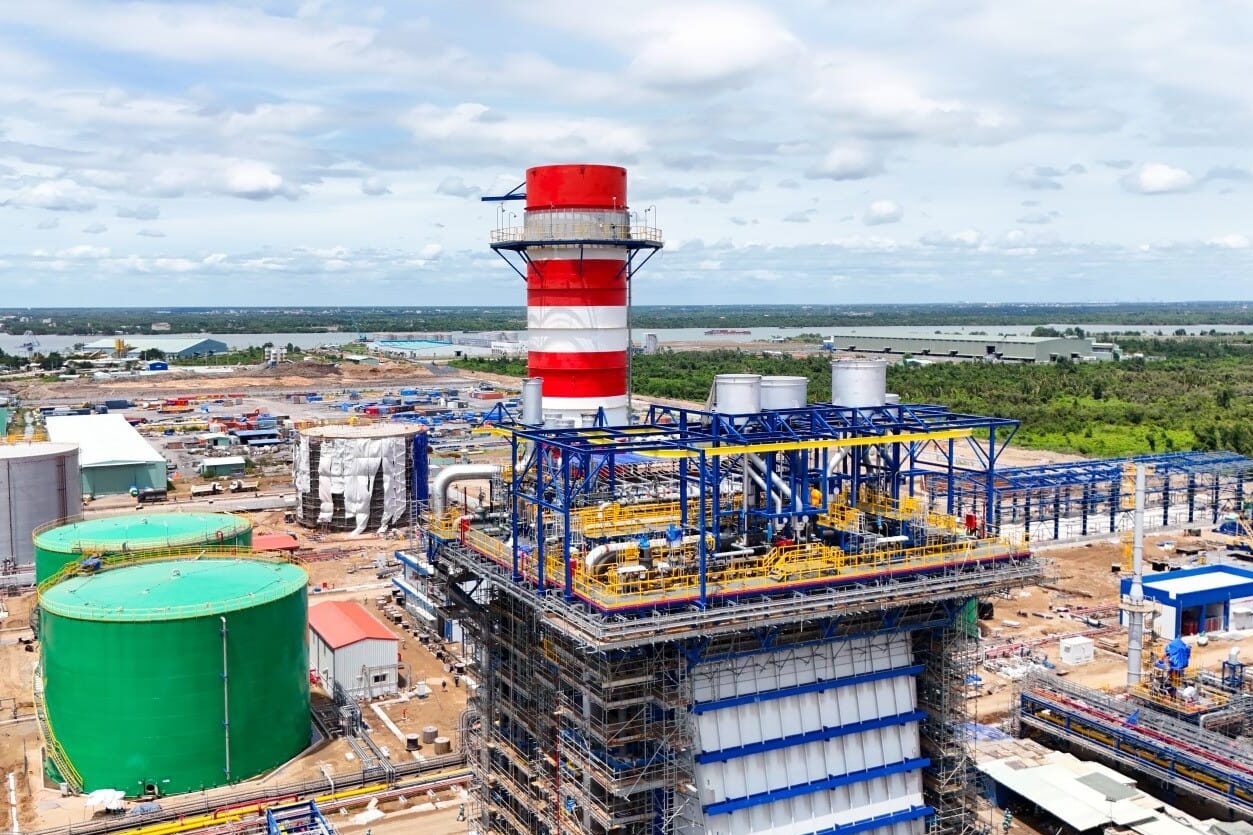
LNG power plant
Nhon Trach 3 officially connected to the national power grid on February 5, 2025,…
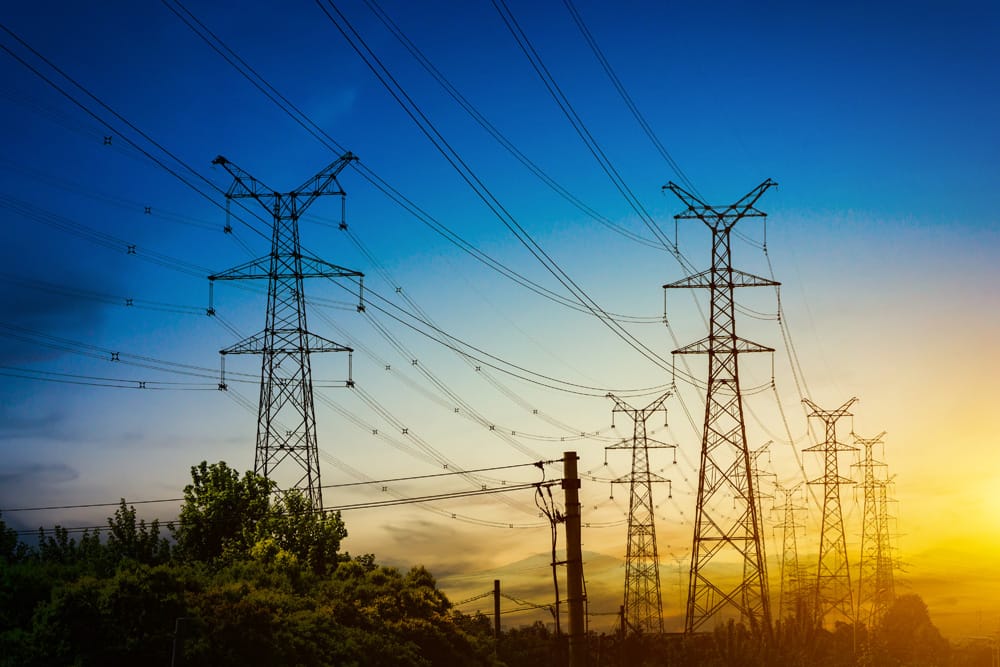
ASEAN Power Grid (APG)
The ASEAN Power Grid drives energy integration, cooperation, and sustainability for Southeast Asia’s future.

ASEAN Energy Collaboration
Discover ASEAN-ASCOPE partnerships advancing energy transition, fostering innovation, and promoting a sustainable regional future