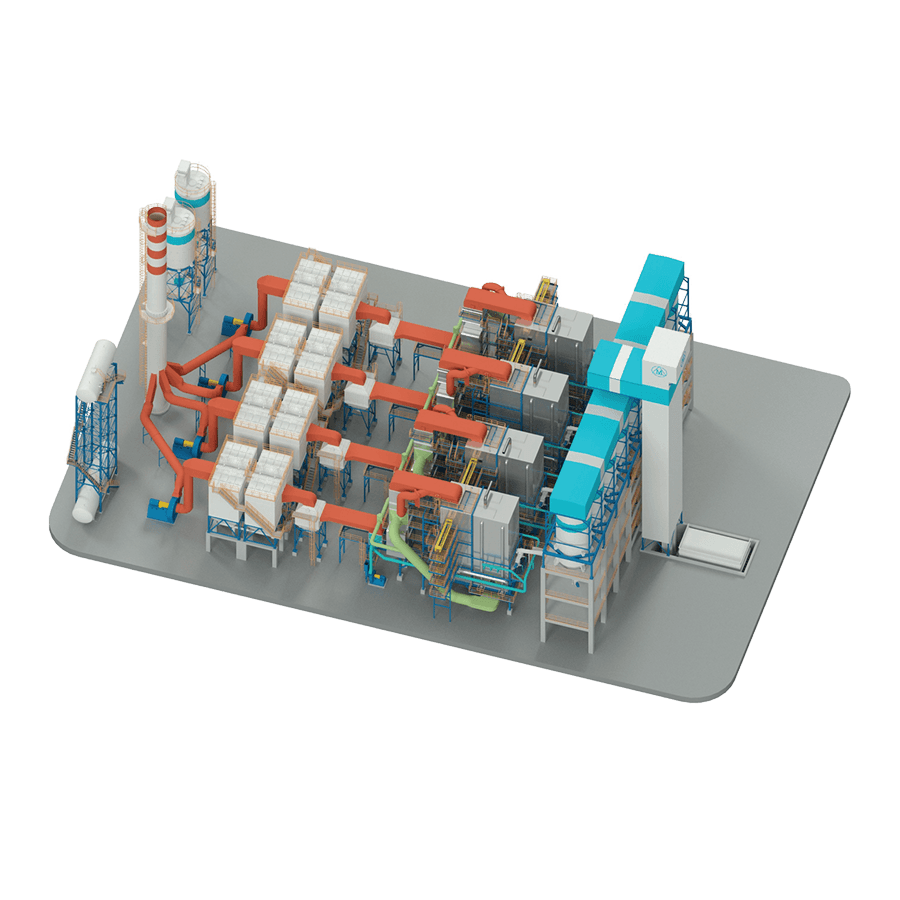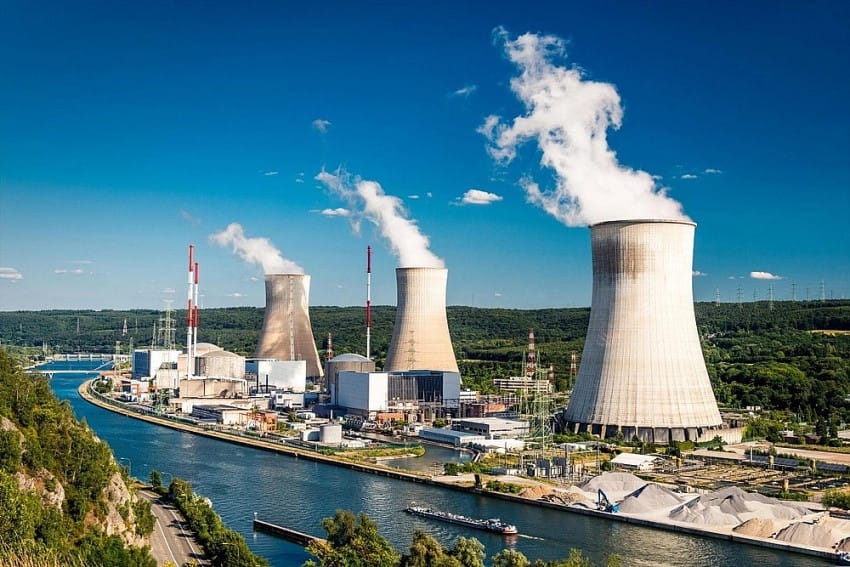
“Boilers and Their Applications in the Paper and Pulp Industry provide essential steam and heat for drying, pressing, and improving production efficiency.”
BOILERS AND THEIR APPLICATIONS IN THE PAPER AND PULP INDUSTRY
Applications
INTRODUCTION
Boilers are essential to the paper and pulp industry, providing the steam and heat required for a wide range of processes that transform wood pulp into paper products. These processes include pulping, drying, and chemical recovery, each of which benefits significantly from the consistent and efficient energy supply boilers provide. This article explores the various roles boilers play in paper production and how they contribute to efficiency, quality, and environmental sustainability.

1. Pulping Process Support
The pulping process, where wood chips are broken down into fibers, is one of the most critical stages in paper manufacturing. Boilers produce the steam necessary for both mechanical and chemical pulping methods. In mechanical pulping, steam softens wood chips, making it easier to refine them into pulp. Chemical pulping uses steam to heat chemicals that break down lignin, a complex organic polymer in wood that binds fibers together.
By supplying steam to both processes, boilers enable the production of high-quality pulp while maximizing resource efficiency. Additionally, precise temperature control provided by boilers helps optimize fiber quality, contributing to a smoother, stronger paper product.
2. Paper Drying and Moisture Control

After the pulp has been formed into sheets, it must be dried to the desired moisture content. This drying process is essential for creating durable and uniform paper. Boilers generate the heat and steam needed to dry paper sheets as they pass through drying cylinders or presses.
By controlling the temperature and humidity during drying, boilers ensure consistent quality and minimize the likelihood of defects like warping or shrinkage. This step not only improves product durability but also speeds up production times by achieving the desired moisture levels more efficiently than air drying alone.
3. Chemical Recovery in Kraft Pulping
The Kraft process, one of the most widely used chemical pulping methods, involves using boilers for chemical recovery and recycling. In this process, chemicals such as sodium hydroxide and sodium sulfide are used to break down wood fibers. The recovery boiler then burns the black liquor, a byproduct of pulping, to recover these chemicals for reuse.
This closed-loop system, enabled by recovery boilers, makes the Kraft process more sustainable and cost-effective. By recovering and reusing chemicals, the industry reduces waste and decreases the need for fresh chemicals, supporting both environmental and economic goals.
4. Heat and Power Co-Generation
In the paper and pulp industry, many facilities use combined heat and power (CHP) systems with boilers to produce both electricity and steam. This co-generation process is energy-efficient and supports continuous production, as it meets the high demand for both heat and power in paper production. CHP systems allow facilities to generate electricity while using the residual heat for processes like pulping, drying, and chemical recovery.
This approach not only reduces energy costs but also minimizes carbon emissions. Many paper mills use biomass as fuel for CHP boilers, creating an eco-friendly energy source from wood waste. This further reduces environmental impact and enhances the sustainability of the production process.
5. Biomass Boilers in the Paper Industry
Paper and pulp facilities often generate a significant amount of wood waste, such as bark, sawdust, and black liquor. Using biomass boilers allows these facilities to convert wood waste into a renewable energy source, powering production processes while minimizing waste disposal needs. Biomass boilers help reduce dependency on fossil fuels and lower operational costs, creating a more sustainable production cycle.
By integrating biomass boilers, the paper and pulp industry reduces both its carbon footprint and energy expenses. This practice aligns with environmental regulations and promotes greener production, an increasingly important factor for industry players committed to sustainable practices.
6. Temperature Control for Specialized Paper Products
Specialized paper products, like coated or laminated paper, often require precise temperature control during production. Boilers provide this control by supplying the consistent heat needed for coating and finishing processes. Temperature stability is essential to ensure even application and adhesion of coatings, which contribute to the durability and appearance of high-quality paper products.
By using boilers for temperature control, facilities can produce a diverse range of papers that meet market demands, from glossy magazine paper to durable packaging materials. This flexibility allows the industry to cater to various consumer needs while maintaining efficiency and product consistency.
CONCLUSION
Boilers are central to the paper and pulp industry, supporting vital stages from pulping to drying, chemical recovery, and even co-generation. By delivering reliable heat and steam, boilers enhance production efficiency, reduce environmental impact, and contribute to the overall quality of paper products. The integration of biomass boilers further promotes sustainable practices, enabling the industry to make productive use of waste materials. As environmental regulations tighten and energy demands grow, boilers will continue to play a crucial role in advancing efficiency and sustainability in the paper and pulp industry.
(Vn-Industry.)
Home page: https://vn-industry.com/