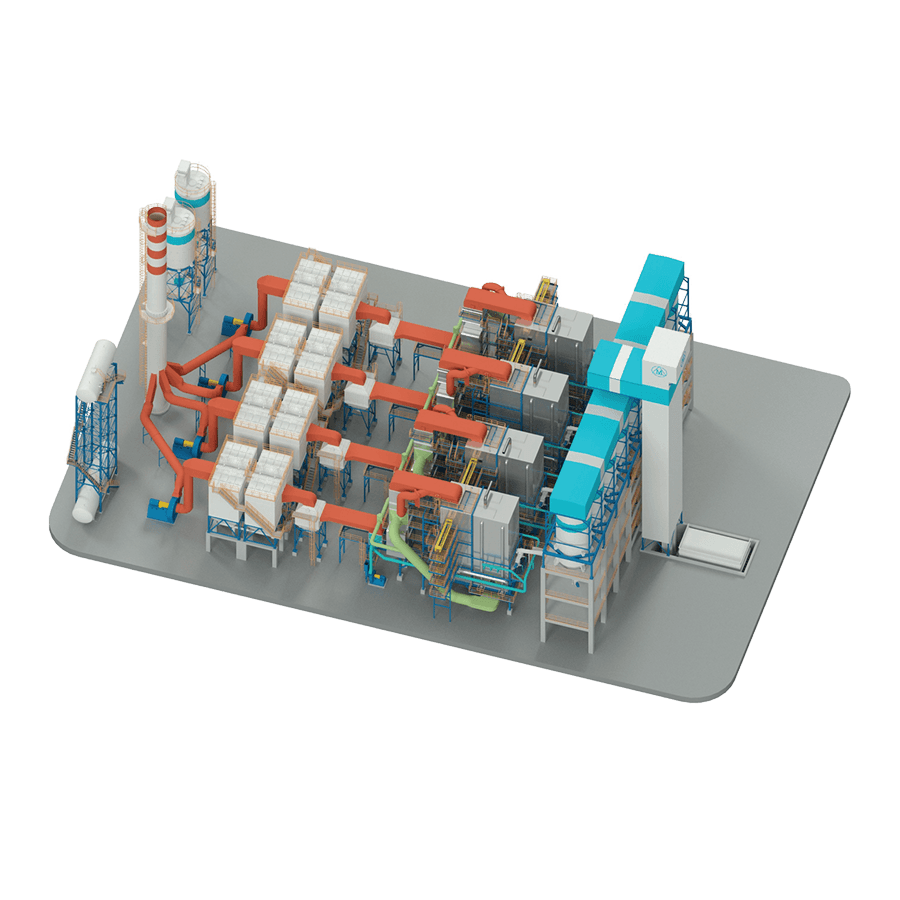
“Instrumentation and control optimize industrial operations by monitoring and regulating variables, enhancing efficiency, safety, and precision across diverse processes.”
Instrumentation and control
Play a pivotal role in various industries, ensuring efficient and safe utilization of fuel for processes like heating, power generation, and manufacturing
INTRODUCTION TO INSTRUMENTATION AND CONTROL
Instrumentation and Control (I&C) play a pivotal role in the industrial landscape, serving as the nerve center for various processes. This dynamic field integrates cutting-edge technology to monitor, regulate, and optimize industrial operations.

Figure – Instrumentation and control
1- The Essence of Instrumentation and Control
At its core, I&C involves the application of specialized instruments to measure and control variables like temperature, pressure, flow, and level. These instruments provide real-time data crucial for decision-making and maintaining operational efficiency.
2- Components of Instrumentation and Control Systems
Instrumentation systems consist of sensors, transmitters, controllers, and actuators. Sensors detect environmental changes, transmitters convert these signals, controllers process the information, and actuators execute control commands.
3- Key Applications
In diverse industries such as manufacturing, energy, and chemical processing, I&C systems ensure precision in processes. They regulate the temperature in furnaces, monitor the pressure in pipelines, and oversee the flow of materials through intricate production lines.
4- Automation Advancements
Advancements in automation have revolutionized I&C. Programmable Logic Controllers (PLCs) and Distributed Control Systems (DCS) enable seamless integration and control of complex processes. This automation enhances efficiency, reduces errors, and ensures safety.
5- The Role of Human-Machine Interface (HMI)
I&C systems often incorporate HMIs, allowing operators to interact with the machinery. Graphical interfaces provide a comprehensive overview, enabling quick responses to anomalies and facilitating proactive decision-making.
6- Challenges and Solutions
I&C systems often incorporate HMIs, allowing operators to interact with the machinery. Graphical interfaces provide a comprehensive overview, enabling quick responses to anomalies and facilitating proactive decision-making.
CONCLUSION
In conclusion, combustion control systems are indispensable for industries relying on combustion processes. The active management of combustion parameters ensures efficiency, reduces emissions and enhances safety. With ongoing advancements in technology, these systems continue to evolve, promising a future of greener and more intelligent combustion processes across various industrial sectors.
(Vn-Industry.)
Home page: https://vn-industry.com/