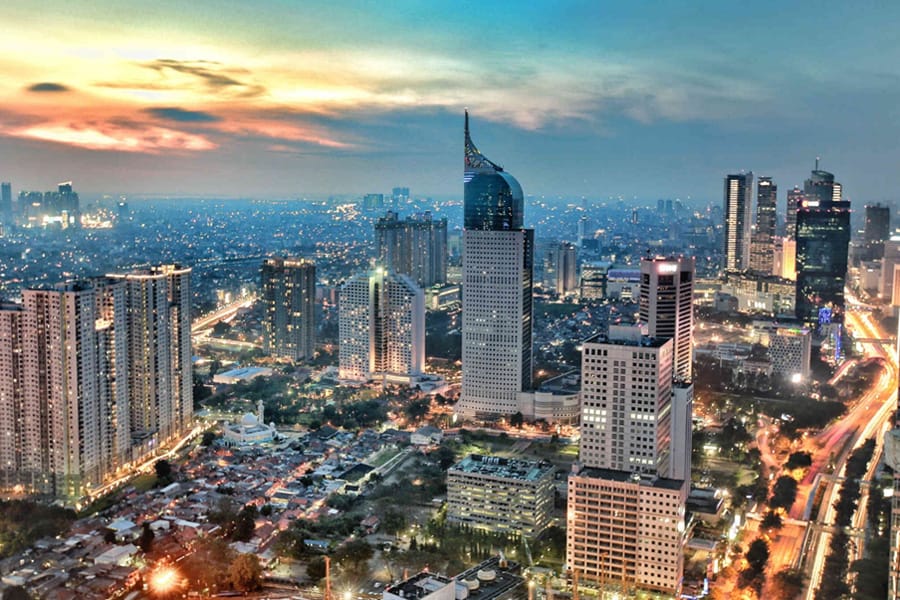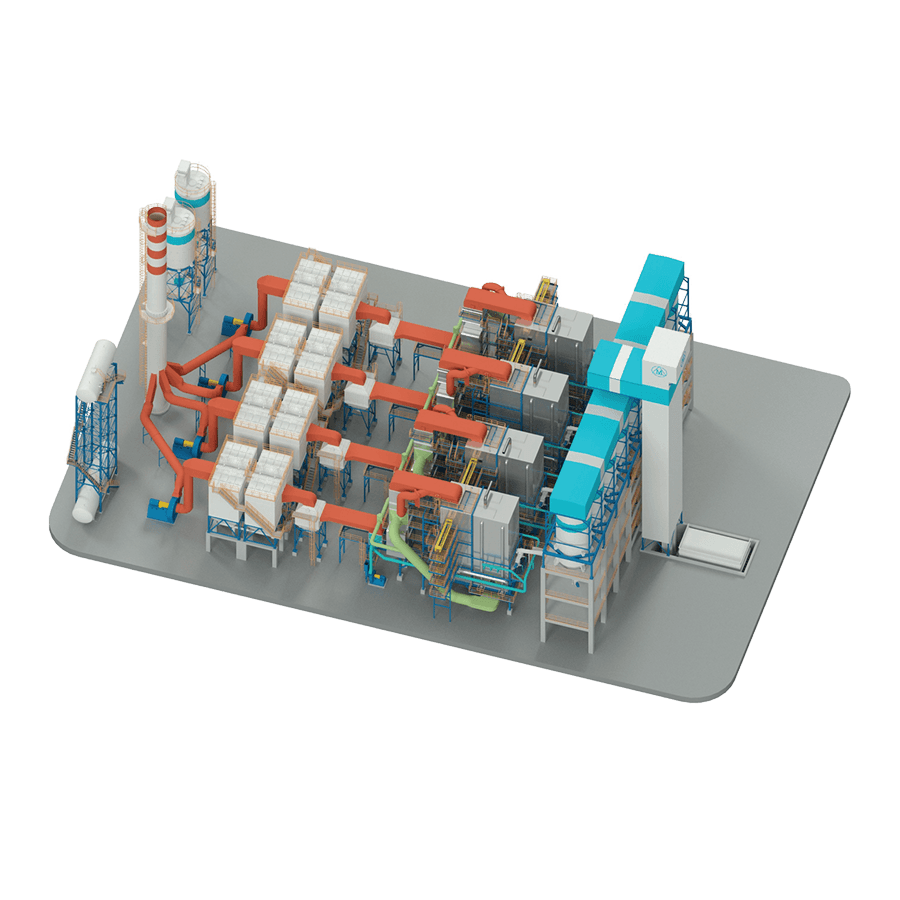
“Important factors affect a cooling tower include heat load, design, location, water quality, energy efficiency, compliance, maintenance, and sustainability.”
Important Factors That Affect a Cooling Tower
A cooling tower efficiently removes heat in industrial systems, with performance influenced by key factors affecting efficiency and reliability.
INTRODUCTION
Selecting a cooling tower that meets your system’s specific needs involves evaluating numerous factors. The important factors that affect a cooling tower include design, operational efficiency, environmental compliance, and maintenance requirements. By thoroughly analyzing these considerations, you can ensure the cooling tower’s performance aligns with your application’s demands.

Figure 1: Cooling tower
KEY FACTORS THAT INFLUENCE A COOLING TOWER’S PERFORMANCE
1. Heat Load and Cooling Capacity
The first and foremost factor to consider is the heat load of your system. Understanding the amount of heat that needs to be dissipated helps determine the required cooling capacity. Matching the cooling tower’s capacity to your system’s heat load is critical for efficient performance. For instance, systems with high heat loads require larger or more efficient cooling towers to ensure proper cooling.
2. Cooling Tower Types
Cooling towers come in various types, including counterflow, crossflow, and hybrid designs. Each type offers unique advantages and is suited for specific applications. For example, counterflow cooling towers are compact and energy-efficient, making them ideal for space-constrained areas. On the other hand, crossflow designs are easier to maintain due to their open structure. Therefore, selecting the right type based on your needs ensures maximum efficiency and operational ease.
3. Location and Space Availability
Location plays a significant role in the effectiveness of a cooling tower. When choosing a site, consider the available space and ensure that the tower fits comfortably within the allocated area. Additionally, proper airflow is essential for efficient operation. For urban or industrial settings, factors like access for maintenance and proximity to other equipment must also be considered.
4. Water Quality and Treatment
Water quality is another critical factor affecting cooling tower performance. Poor water quality can lead to issues such as scaling, corrosion, and biological growth, which reduce efficiency and increase maintenance costs. Therefore, investing in a comprehensive water treatment system ensures the longevity of the cooling tower and minimizes operational disruptions.
5. Energy Efficiency
Energy efficiency has become a primary consideration for many industries. Opt for cooling towers equipped with advanced features such as variable-speed drives, high-efficiency fans, and intelligent control systems. These features not only reduce energy consumption but also contribute to sustainable operations, helping organizations meet environmental goals.
6. Environmental Regulations and Compliance
Compliance with local environmental regulations is non-negotiable. Cooling towers must adhere to standards related to water usage, discharge quality, noise levels, and air emissions. For instance, using drift eliminators minimizes water loss, while sound-dampening technologies reduce noise pollution, ensuring compliance and community acceptance.
7. Maintenance and Serviceability
Regular maintenance is vital for the optimal performance of cooling towers. Choosing a design that facilitates easy access to critical components such as fans, fill, drift eliminators, and pumps simplifies routine servicing. Moreover, scheduling preventive maintenance ensures consistent performance and reduces the risk of unexpected failures.
8. Initial and Operating Costs
Cost considerations extend beyond the initial purchase price. Evaluate the total cost of ownership, including operating and maintenance expenses. While energy-efficient and durable cooling towers may have a higher upfront cost, their long-term savings often outweigh the initial investment.
9. Material and Construction
The construction material of a cooling tower significantly impacts its durability. Depending on the installation environment, materials like fiberglass-reinforced polyester (FRP), concrete, wood, or galvanized steel may be suitable. For instance, FRP is ideal for corrosive environments, while concrete provides robustness for heavy-duty applications.
10. Noise Levels
Noise generated by cooling towers can be a concern, particularly in residential or noise-sensitive areas. Advanced designs with sound-dampening features, such as low-noise fans and enclosures, help minimize disturbances and comply with noise regulations.
11. Part Load Efficiency
Cooling towers rarely operate at full capacity throughout their lifecycle. Assessing the part-load efficiency ensures the tower performs effectively under varying load conditions. Systems with good part-load efficiency maintain energy savings even during low-demand periods.
12. Water Conservation
Water conservation is a growing priority for many industries. Cooling towers with water-saving technologies, such as efficient spray nozzles and drift eliminators, help reduce water consumption. Additionally, systems that incorporate water recycling further enhance sustainability.
13. Manufacturer Reputation and Support
Finally, consider the reputation and reliability of the manufacturer. A trusted manufacturer with a history of delivering high-quality products and excellent customer support ensures a smoother purchasing and maintenance experience. Choosing a reputable supplier also provides access to spare parts and technical assistance when needed.
CONCLUSION
Evaluating these important factors that affect a cooling tower is essential for making an informed decision. From heat load considerations to environmental compliance, each factor plays a vital role in ensuring the cooling tower’s efficiency, reliability, and longevity. By carefully analyzing these aspects, you can select a cooling tower that aligns with your specific cooling requirements, budget constraints, and sustainability goals.
(Vn-Industry.)