“Fuel pulverizers optimize combustion by finely grinding fuels, boosting efficiency, reducing emissions, and supporting sustainable energy production processes.”
Fuel pulverizers
Enhancing Combustion Efficiency and Energy Production
INTRODUCTION
A fuel pulverizer is a crucial piece of equipment in various industries, particularly in power generation and combustion processes. Its primary purpose is to finely grind or pulverize solid fuels into a more manageable and efficient form, enabling better combustion performance. This article delves into the significance, functioning, types, and benefits of fuel pulverizers in enhancing combustion efficiency and energy production.

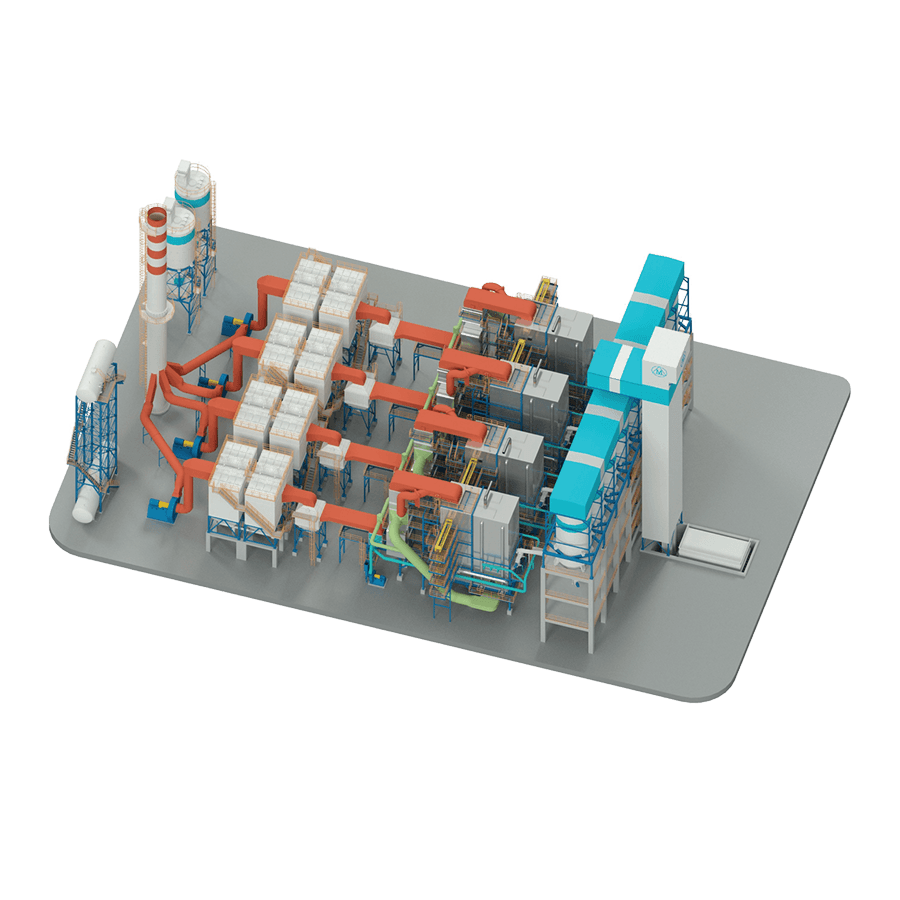
Figure – Fuel Pulverizers
SIGNIFICANCE OF FUEL PULVERIZERS
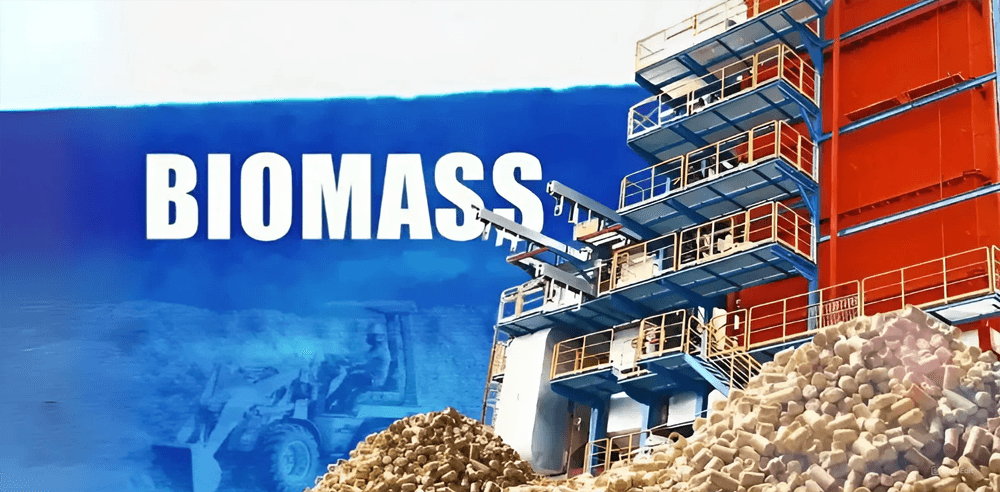
Fuel pulverizers play a pivotal role in optimizing the utilization of solid fuels such as coal, biomass, and other materials in various industrial applications. By reducing solid fuels to finer particles, these devices enhance the surface area of the fuel, promoting more uniform combustion. This not only boosts combustion efficiency but also reduces emissions and ensures a more sustainable energy production process.
FUNCTIONING OF FUEL PULVERIZERS
Fuel pulverizers operate on the principle of grinding solid fuels through mechanical force. These devices utilize different mechanisms like impact, attrition, or crushing to break down larger fuel particles into smaller sizes. The resulting fine particles are then suitable for combustion in furnaces, boilers, and other combustion systems.
TYPES OF FUEL PULVERIZERS
There are several types of fuel pulverizer, each designed for specific fuel characteristics and application requirements:
- Ball Tube Mills: These pulverizers use steel balls in rotating drums to crush and grind solid fuels. They are commonly used in coal-fired power plants.
- Impact Mills: Impact pulverizers use hammers or blowbars to hit the fuel and break it into smaller particles. They are suitable for a wide range of fuels, including biomass and recycled materials.
- Bowl Mills: Bowl mills feature a rotating bowl and rollers that crush the fuel. They are often used for pulverizing coal in thermal power plants.
- Vertical Roller Mills: These mills utilize rollers to crush the fuel against a rotating grinding table. They offer high efficiency and flexibility for various fuel types.
BENEFITS OF FUEL PULVERIZERS
♦ Improved Combustion Efficiency: By reducing solid fuels to finer particles, fuel pulverizers ensure better mixing with air, leading to more complete and efficient combustion.
♦Emission Reduction: Efficient combustion facilitated by pulverizers results in lower emissions of pollutants like sulfur dioxide (SO2) and nitrogen oxides (NOx).
♦ Energy Production Optimization: Pulverized fuels burn more consistently, contributing to stable energy production and reducing the risk of flameout.
♦ Fuel Flexibility: Different types of fuel pulverizer accommodate a wide range of fuel sources, allowing industries to adapt to changing fuel availability and prices.
♦ Enhanced Boiler Performance: In power plants, properly pulverized fuels ensure optimal heat transfer in boilers, maximizing overall system efficiency.
♦ Reduced Maintenance: Pulverized fuels result in fewer combustion-related issues, leading to reduced maintenance and downtime.
CHALLENGES AND CONSIDERATIONS
While fuel pulverizer offer numerous benefits, their operation requires careful consideration and maintenance:
- Particle Size Control: Achieving the desired particle size distribution is crucial for efficient combustion. Regular monitoring and adjustments are necessary.
- Wear and Tear: The grinding process can lead to wear on the pulverizer components. Regular maintenance and component replacement are essential.
- Fuel Moisture: The moisture content of the fuel can impact pulverizer performance. High moisture levels may require adjustments to maintain efficient operation.
CONCLUSION
Fuel pulverizers are indispensable tools in industries reliant on solid fuel combustion. Through their ability to finely grind solid fuels, they enhance combustion efficiency, reduce emissions, and optimize energy production. By choosing the right type of pulverizer and maintaining it properly, industries can ensure reliable and sustainable energy generation processes. As technology continues to advance, fuel pulverizers are poised to play an increasingly vital role in meeting the world’s growing energy needs while minimizing environmental impacts.
(Vn-Industry.)
Home page: https://vn-industry.com/