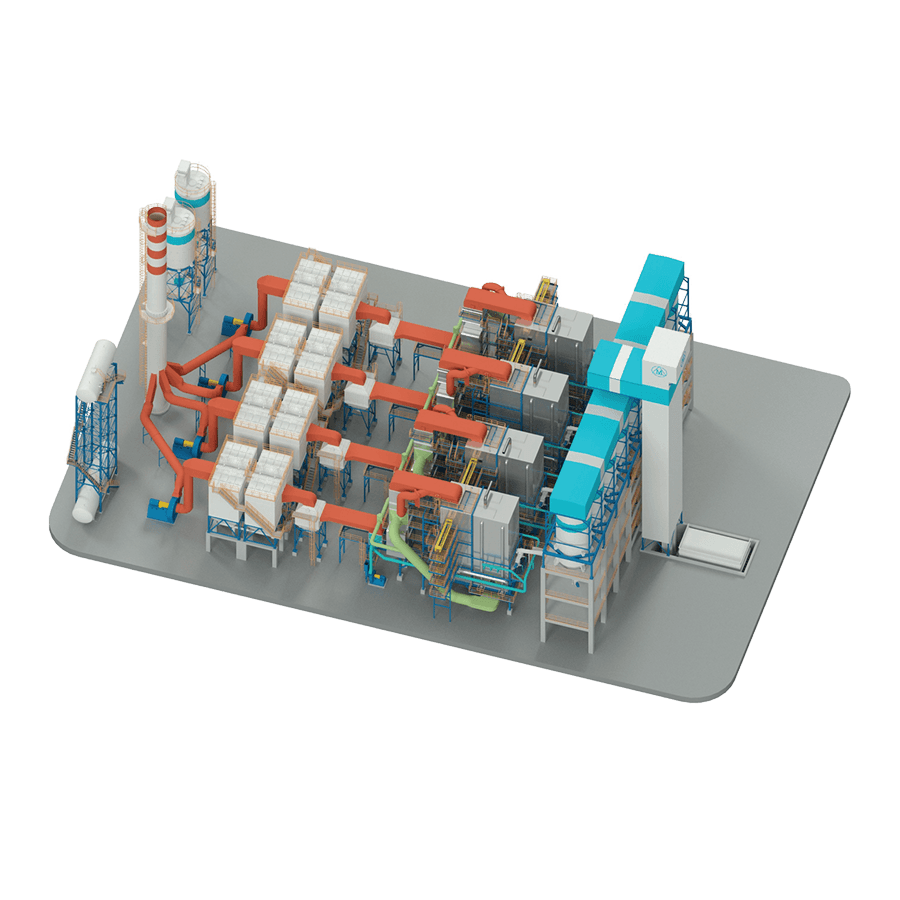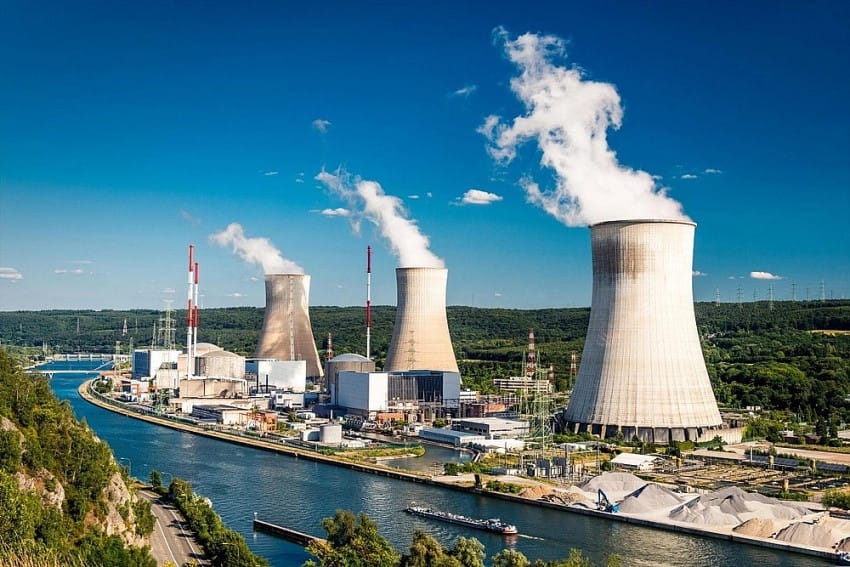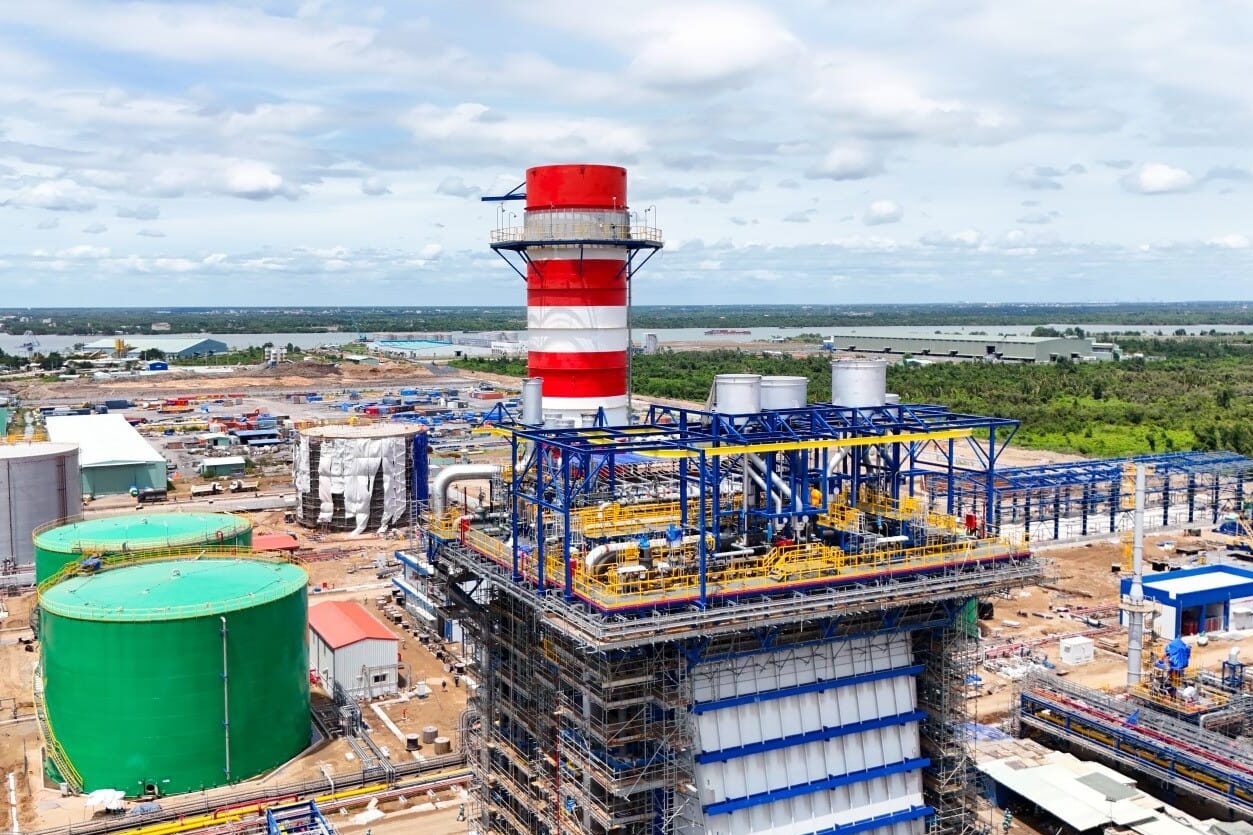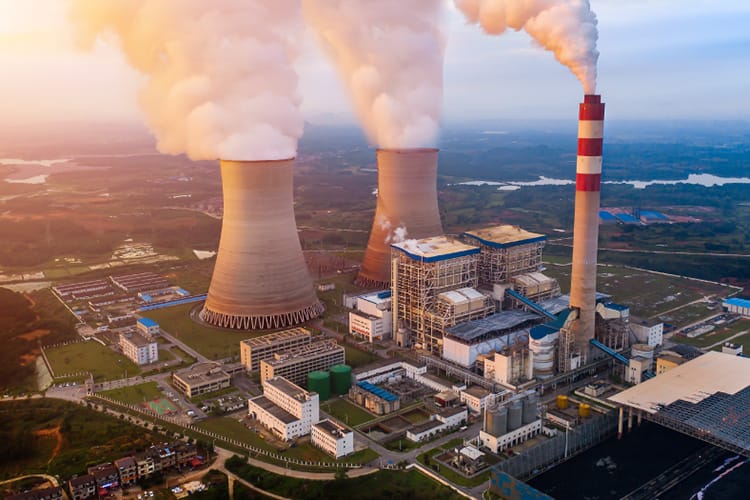
“Fuel-feeding system ensures consistent fuel supply, improves combustion efficiency, and integrates safety, control, and monitoring in industrial boilers.”
Fuel-feeding system
A critical component responsible for delivering the necessary fuel to the boiler
INTRODUCTION
A fuel-feeding system, also called a boiler fuel system, delivers the necessary fuel for industrial boiler combustion. The fuel feeding system ensures an efficient and reliable supply of fuel, thereby optimizing the performance of the industrial boiler. This system encompasses various equipment and subsystems, each playing a specific role in the overall fuel delivery process. In this discussion, we will explore the key components of a typical fuel-feeding system for an industrial boiler.

MAIN COMPONENTS OF FUEL-FEEDING SYSTEM
Fuel Storage and Handling
• Fuel Storage Tanks: These tanks store the bulk fuel supply, such as coal, oil, natural gas, or biomass, required for boiler operation.
• Fuel Conveyors: Conveyors transport solid fuels, such as coal or biomass, from the storage area to the boiler. Depending on the fuel’s characteristics, various types of conveyors, like belt conveyors, screw conveyors, or bucket elevators, can be used.
Fuel Preparation
• Pulverizers: For solid fuels like coal, pulverizers grind the fuel into fine particles. This process enhances the combustion efficiency by increasing the fuel surface area.
• Fuel Treatment Systems: Fuel treatment systems remove impurities, moisture, or contaminants from the fuel before it enters the combustion chamber. This helps prevent equipment damage and optimize combustion.
Fuel Delivery
• Feeders: Feeders meter and control the flow of fuel from the storage system to the combustion chamber. Depending on the fuel type and boiler requirements, different types of feeders, such as gravimetric feeders, volumetric feeders, or rotary feeders, may be used.
• Fuel Pumps: For liquid fuels like oil or fuel gas, fuel pumps deliver the fuel under pressure to the burners.
Combustion System
• Burners: Burners facilitate the controlled mixing of fuel and air for combustion. They are designed to provide efficient fuel-air mixing, stable flame patterns, and low emissions. Burners can be categorized into various types, including pulverized fuel burners, oil burners, gas burners, or dual-fuel burners.
• Ignition System: The ignition system sparks or flames to ignite the fuel-air mixture in the combustion chamber. This is typically achieved using spark plugs or pilot burners.
Control and Monitoring
• Control Panel: The control panel houses the instrumentation and control devices necessary for operating and monitoring the fuel feeding system. It allows operators to adjust fuel flow rates, monitor fuel levels, and ensure safe and efficient boiler operation.
• Sensors and Instrumentation: For control and monitoring purposes, the fuel feeding system incorporates various sensors, including level sensors, pressure transmitters, temperature sensors, and flow meters, which provide real-time data. These sensors help maintain the desired fuel-to-air ratio and ensure optimal system performance.
Safety and Protection
• Flame Detectors: Flame detectors detect the presence or absence of a flame in the combustion chamber. They provide a vital safety function by monitoring the flame status and initiating necessary actions in case of flame failure.
• Safety Valves: Safety valves prevent overpressure situations within the fuel delivery system. They automatically relieve excess pressure and protect the system from potential damage.
CONCLUSION
It is important to note that the specific components and design of a fuel feeding system can vary depending on the type of boiler, fuel type, capacity, and other operational requirements. Advanced boiler systems may also incorporate additional features such as emissions control equipment, fuel storage and handling automation, and advanced control algorithms to further optimize efficiency and reduce environmental impact.
(Vn-Industry.)
Home page: https://vn-industry.com/