“Filters in boilers trap impurities, improve efficiency, prevent corrosion, and enhance sustainability while meeting regulatory standards for cleaner operations.”
Filters
Boiler industry filters: enhancing efficiency and sustainability
INTRODUCTION
In the dynamic landscape of industrial boilers, filters play a pivotal role in ensuring optimal performance, efficiency, and environmental sustainability. These crucial components are designed to trap impurities and contaminants, safeguarding the boiler system from potential damage while promoting energy efficiency.

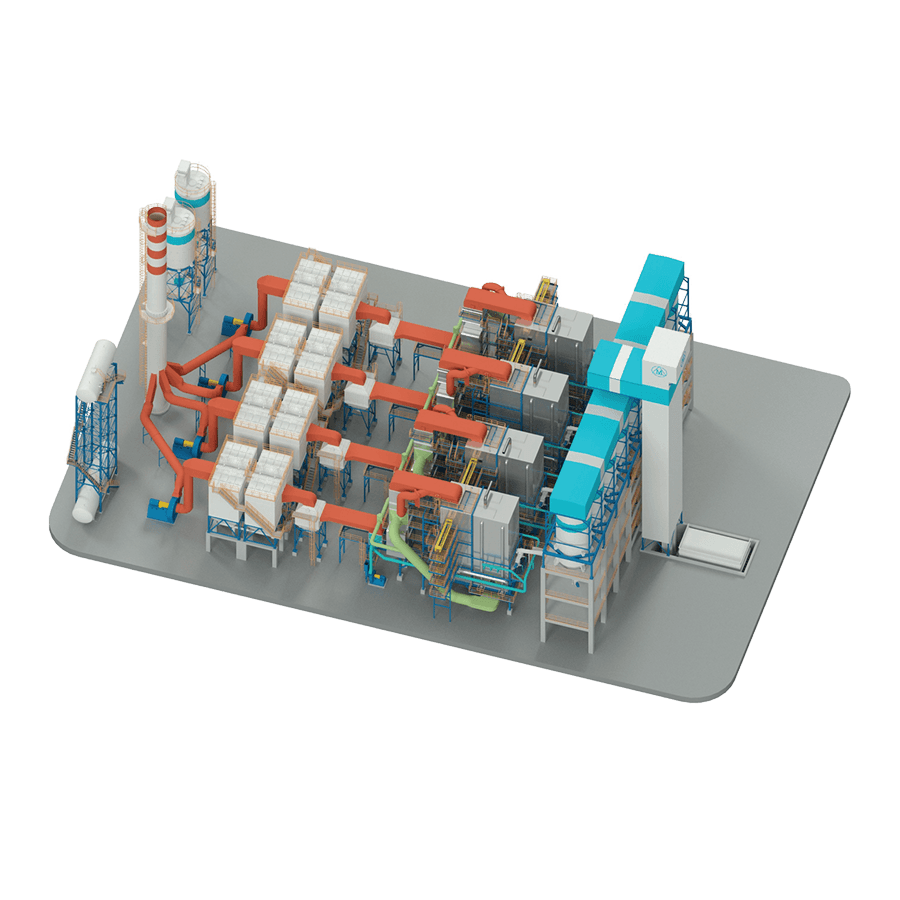
Figure – Filters
1 – Purpose of Filters in Boiler Systems
Filters in boiler systems serve a dual purpose — protecting the equipment and enhancing overall efficiency. They function as a frontline defense against particulate matter, preventing it from entering critical components such as burners and heat exchangers.
2 – Types of Boiler Filters
There are various types of filter(s) employed in boiler systems, ranging from simple strainers to advanced electrostatic precipitators. Each type is tailored to address specific impurities, including dust, debris, and even pollutants, depending on the industry requirements.
3 – Particulate Filtration
Particulate filter(s) are instrumental in capturing solid particles suspended in the combustion air. By doing so, they mitigate the risk of fouling within the boiler, ensuring uninterrupted operation and reducing maintenance frequency.
4 – Air Quality Improvement
Filters not only contribute to boiler efficiency but also play a pivotal role in maintaining high indoor air quality. This is especially crucial in industries where airborne pollutants can pose health risks to workers.
5- Enhancing Combustion Efficiency
Clean combustion air, facilitated by effective filters, ensures optimal fuel-to-air ratios, thereby enhancing combustion efficiency. This results in reduced fuel consumption and lower greenhouse gas emissions, aligning with sustainability goals.
6- Preventing Corrosion
Filters act as a barrier against corrosive elements present in the air. By preventing these elements from reaching sensitive boiler components, filter(s) help extend the lifespan of the equipment and minimize the need for costly repairs.
7- Customization for Industry Requirements
Filters are not one-size-fits-all; they can be customized based on specific industry needs. This adaptability ensures that each boiler system is equipped with the most suitable filtration technology to address the unique challenges of its operational environment.
8- Technological Advancements
The field of boiler filtration has witnessed significant technological advancements. Smart filters, equipped with sensors and monitoring systems, allow for real-time data analysis, enabling proactive maintenance and minimizing downtime.
9- Energy Efficiency and Cost Savings
Properly functioning filters contribute directly to energy efficiency. By reducing the workload on the boiler and facilitating smooth operation, filter(s) translate into substantial cost savings over the long term.
10- Regulatory Compliance
Filters play a vital role in ensuring compliance with environmental regulations. Industries are under increasing pressure to reduce emissions, and high-performance filter(s) contribute significantly to achieving and maintaining regulatory standards.
11- Challenges in Filtration
Despite their many benefits, filters face challenges such as clogging and pressure drop. Ongoing research focuses on developing self-cleaning filter(s) and other innovations to address these issues and further enhance their efficiency.
12- The Future of Boiler Filtration
As industries evolve and environmental concerns intensify, the future of boiler filtration holds promise. Advancements in nanotechnology, artificial intelligence, and sustainable materials are expected to drive the next generation of filter(s), pushing the boundaries of efficiency and eco-friendliness.
CONCLUSION
In the intricate web of industrial boiler systems, filters emerge as silent guardians, diligently working to maintain efficiency, protect equipment, and uphold environmental standards. As technology continues to advance, the role of filter(s) in the boiler industry will undoubtedly become even more critical, contributing to a sustainable and efficient industrial landscape.
(Vn-Industry.)
Home page: https://vn-industry.com/