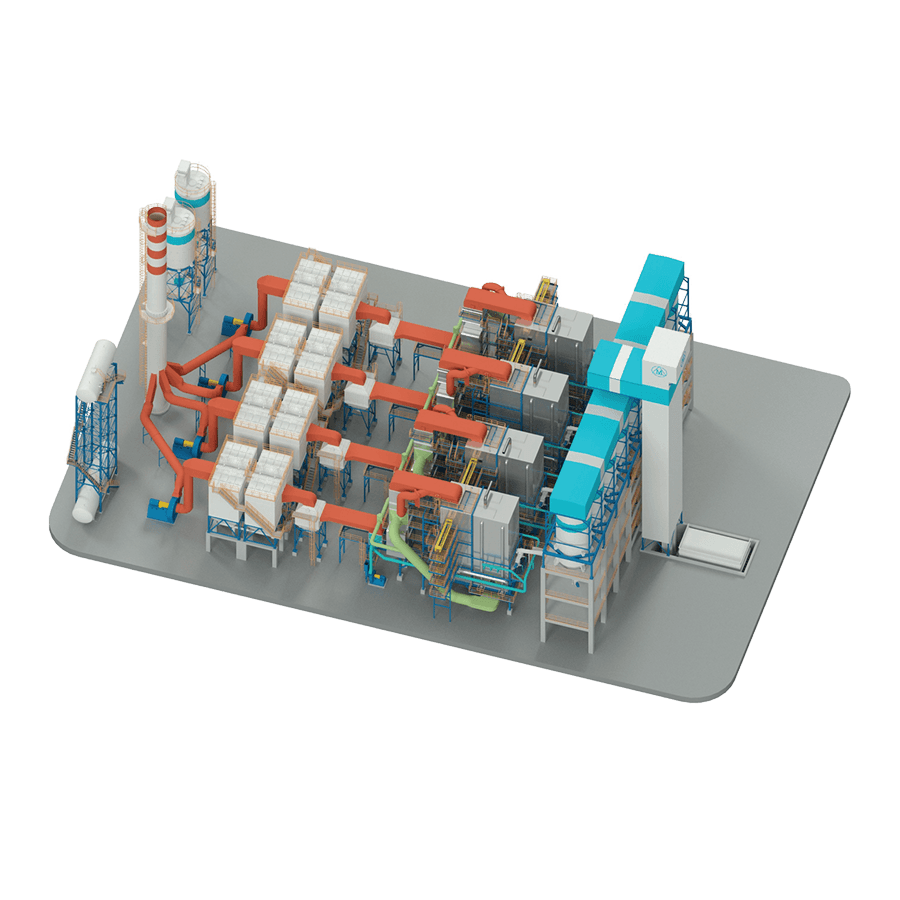
“Combustion control systems optimize fuel use, enhance efficiency, reduce emissions, and ensure safety in industrial processes.”
Combustion control systems
Play a pivotal role in various industries, ensuring efficient and safe utilization of fuel for processes like heating, power generation, and manufacturing
INTRODUCTION
Combustion control systems play a pivotal role in various industries, ensuring efficient and safe utilization of fuel for processes like heating, power generation, and manufacturing. These systems are sophisticated arrangements of sensors, controllers, and actuators designed to optimize combustion parameters.

Figure – Combustion control systems
OVERVIEW
Combustion control systems are vital for industrial operations where fuel combustion drives processes like heating, power generation, and manufacturing. These systems actively monitor and regulate critical parameters such as the air-to-fuel ratio, combustion temperature, and pressure to optimize performance. By maintaining precise control, they enhance combustion efficiency, minimize energy waste, reduce harmful emissions, and ensure safe operating conditions.
At the heart of these systems are advanced technologies, including sensors for real-time data acquisition, controllers for intelligent decision-making, and actuators for precise adjustments. Together, they form an integrated framework capable of adapting to dynamic industrial demands. As industries increasingly focus on energy efficiency and sustainability, combustion control systems play an ever-more crucial role in aligning operational goals with environmental and safety standards.
COMPONENTS OF COMBUSTION CONTROL SYSTEMS
Sensors:
- Sensors detect key parameters like oxygen levels, temperature, and pressure.
- Oxygen sensors provide real-time feedback for precise control of the air-fuel mixture.
Controllers:
- Advanced controllers process data from sensors to make real-time adjustments.
- Proportional-integral-derivative (PID) controllers are commonly used for their accuracy.
Actuators:
- Actuators adjust fuel flow, air intake, and other variables based on controller signals.
- Motorized valves and dampers are examples of actuators used for control.
ADVANTAGES OF COMBUSTION CONTROL SYSTEMS
Efficiency Improvement:
- Active control optimizes fuel combustion, leading to higher efficiency.
- Enhanced efficiency results in reduced fuel consumption and operational costs.
Emission Reduction:
- Precise control minimizes emissions of pollutants like CO2 and NOx.
- Compliance with environmental regulations is easier to achieve.
Safety Enhancement:
- Continuous monitoring ensures safe operating conditions.
- Immediate response to deviations prevents potential hazards.
APPLICATIONS IN DIFFERENT INDUSTRIES
Despite their many benefits, air distribution systems face challenges such as air leakage and uneven airflow. Innovative solutions, including advanced sealing techniques and improved duct design, are addressing these issues. Additionally, ongoing research focuses on developing more energy-efficient components and materials to meet the evolving needs of industrial environments.
Power Generation:
- Combustion control systems optimize combustion in power plants.
- They contribute to stable power output and improved grid reliability.
Manufacturing:
- Industries such as cement and steel use combustion for heating and processing.
- Control systems enhance efficiency and product quality.
Automotive:
- Combustion control is crucial in internal combustion engines.
- Systems ensure optimal fuel efficiency and reduced emissions.
CHALLENGES AND INNOVATIONS
Dynamic Operating Conditions:
- Adapting to varying load conditions challenges combustion control.
- Advanced algorithms and machine learning enhance adaptability.
Integration with IoT:
- IoT integration allows remote monitoring and control.
- Smart combustion systems enable predictive maintenance.
CHALLENGES AND INNOVATIONS
Green Combustion:
- Emphasis on sustainable practices drives the development of eco-friendly combustion.
- Integration with renewable energy sources is a growing trend.
Artificial Intelligence (AI) Integration:
- AI algorithms enhance combustion control by learning from diverse operating conditions.
- Predictive analytics further improves system reliability.
CONCLUSION
In conclusion, combustion control systems are indispensable for industries relying on combustion processes. The active management of combustion parameters ensures efficiency, reduces emissions, and enhances safety. With ongoing advancements in technology, these systems continue to evolve, promising a future of greener and more intelligent combustion processes across various industrial sectors.
(Vn-Industry.)
Home page: https://vn-industry.com/