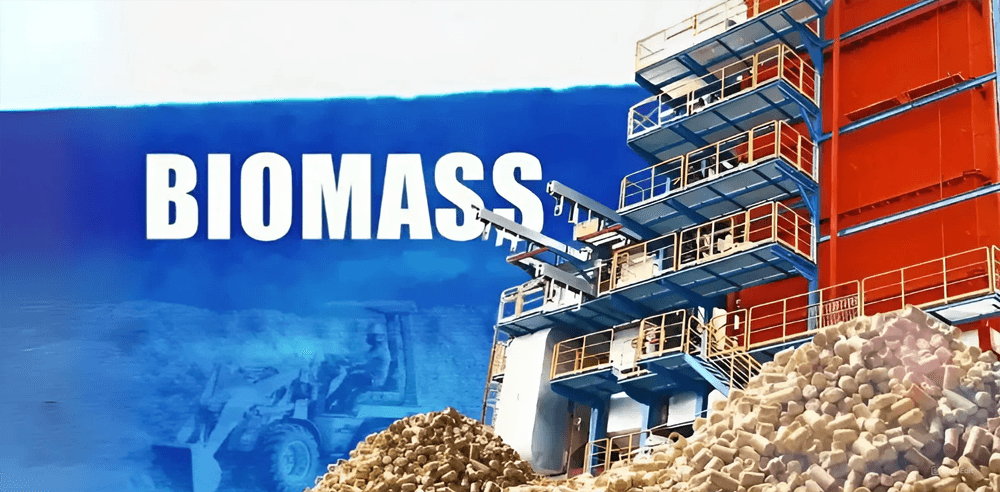
“Water Tube Boilers efficiently generate high-pressure steam for industrial needs, offering quick response, superior efficiency, and flexible designs.”
Water tube boiler
A pivotal role in maintaining smooth operations is the hot water boiler.
INTRODUCTION
Water tube boiler stand as the backbone of industrial processes, playing a pivotal role in generating steam for various applications. This article delves into the intricate details of water tube boilers, shedding light on their design, functionality, and the significant advantages they bring to the industrial landscape.

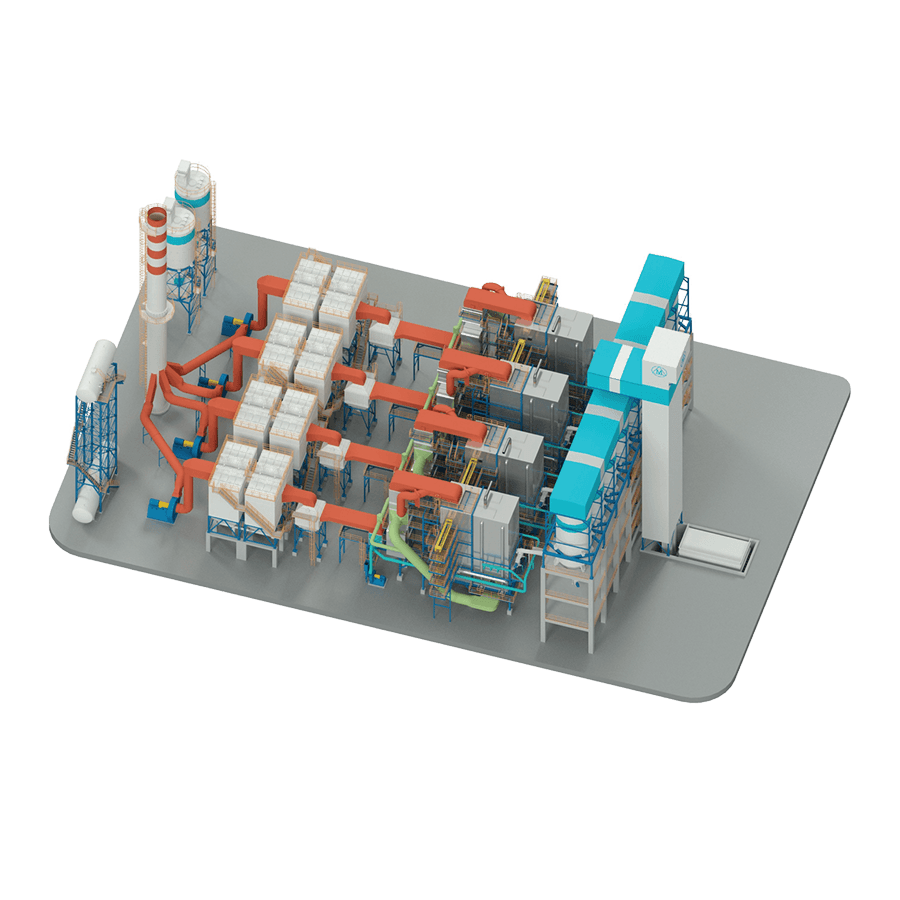
Figure 1 – Water tube boiler
UNDERSTANDING WATER TUBE BOILER
Water tube boilers differ from their counterpart, the fire tube boiler, in terms of design and operation. The distinctive feature of water tube boilers lies in their arrangement, where water circulates through tubes that are heated externally by combustion gases. This design not only enhances efficiency but also allows for better heat transfer.

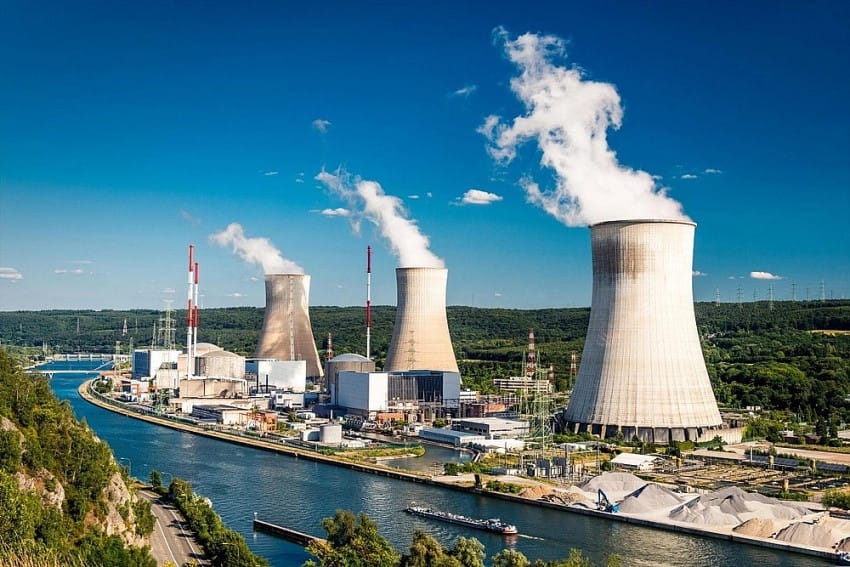
Figure 2 – Water tube boiler
KEY COMPONENTS AND DESIGN FEATURES
1- Tubes: The heart of water tube boilers, tubes form the primary structure where water is heated. These tubes come in various shapes and sizes, and their arrangement impacts the overall efficiency of the boiler.
2- Drum: Water tube boilers typically have a steam drum and a mud drum. The steam drum collects steam generated in the tubes, while the mud drum collects water for circulation. This separation ensures effective heat transfer.
3- Burners: Combustion occurs outside the tubes, where burners facilitate the release of energy. This external heating design allows for higher pressure and temperature, making water tube boilers suitable for demanding industrial applications.
ADVANTAGES OF WATER TUBE BOILER
♦ Improved Efficiency: The design of water tube boilers promotes efficient heat transfer, resulting in higher thermal efficiency compared to fire tube boilers. This translates to cost savings and reduced environmental impact.
♦ Quick Steam Generation: Water tube boilers have a faster response time, producing steam rapidly. This attribute is crucial in industries where on-demand steam is required for various processes.
♦Higher Pressure and Temperature: Water tube boilers can operate at higher pressures and temperatures, making them suitable for power generation and other heavy-duty industrial applications.
♦ Flexibility in Design: Water tube boilers offer flexibility in design, allowing for variations to meet specific industrial requirements. This adaptability contributes to their widespread use across diverse industries.
INNOVATION IN WATER TUBE BOILER TECHNOLOGY
◊ Modular Design: Recent advancements in water tube boiler technology include modular designs that enhance scalability and ease of maintenance. This allows for efficient expansion or modification of existing systems.
◊ Digital Controls and Automation: The integration of digital controls and automation technologies improves the precision and control of water tube boilers, optimizing their performance and energy efficiency.
◊ Materials Innovation: Ongoing research focuses on developing materials with enhanced durability and corrosion resistance, extending the lifespan of water tube boilers and reducing maintenance costs.
CONCLUSION
Hot water boilers stand as unsung champions in the industrial landscape, silently facilitating processes with precision and efficiency. Understanding the diverse types and benefits of these heating systems is crucial for industries aiming to optimize their operations. As we navigate the ever-evolving industrial terrain, hot water boilers remain a steadfast ally, providing the warmth needed for progress and sustainability.
(Vn-Industry.)
Home page: https://vn-industry.com/