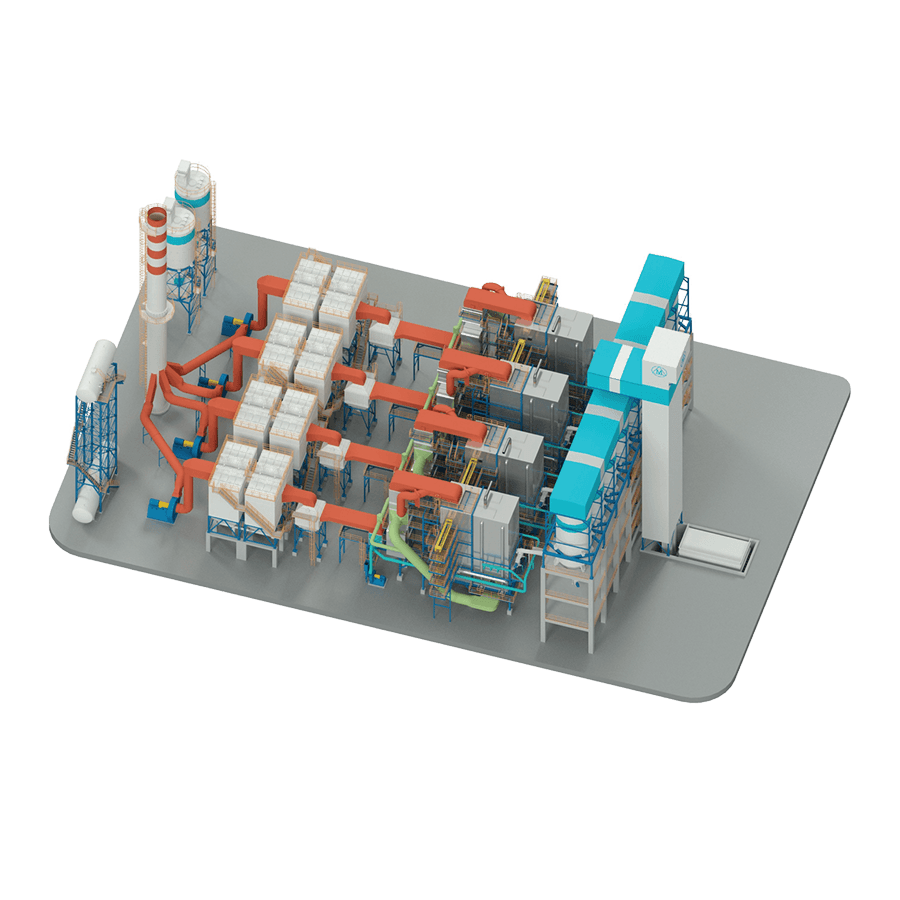
“Rotary gear pumps enable precise, reliable fluid transfer in boiler systems, handling fuels, lubricants, cooling fluids, and chemical additives efficiently.”
Rotary gear pumps
Rotary gear pumps are positive displacement pumps widely used in boiler systems to transfer chemicals, fuels, and other fluids.
PRINCIPLE OF OPERATION
At the core of a rotary gear pump lies a simple yet ingenious mechanism – the positive displacement of fluids. These pumps typically consist of two interlocking gears, often referred to as the driver and the idler gears. As these gears rotate within the pump’s casing, they create sealed chambers between their teeth. This action effectively draws in the fluid to be pumped, which is then expelled through the discharge port. The result is a steady, non-pulsating flow, which is invaluable in applications requiring consistent and precise fluid transfer.
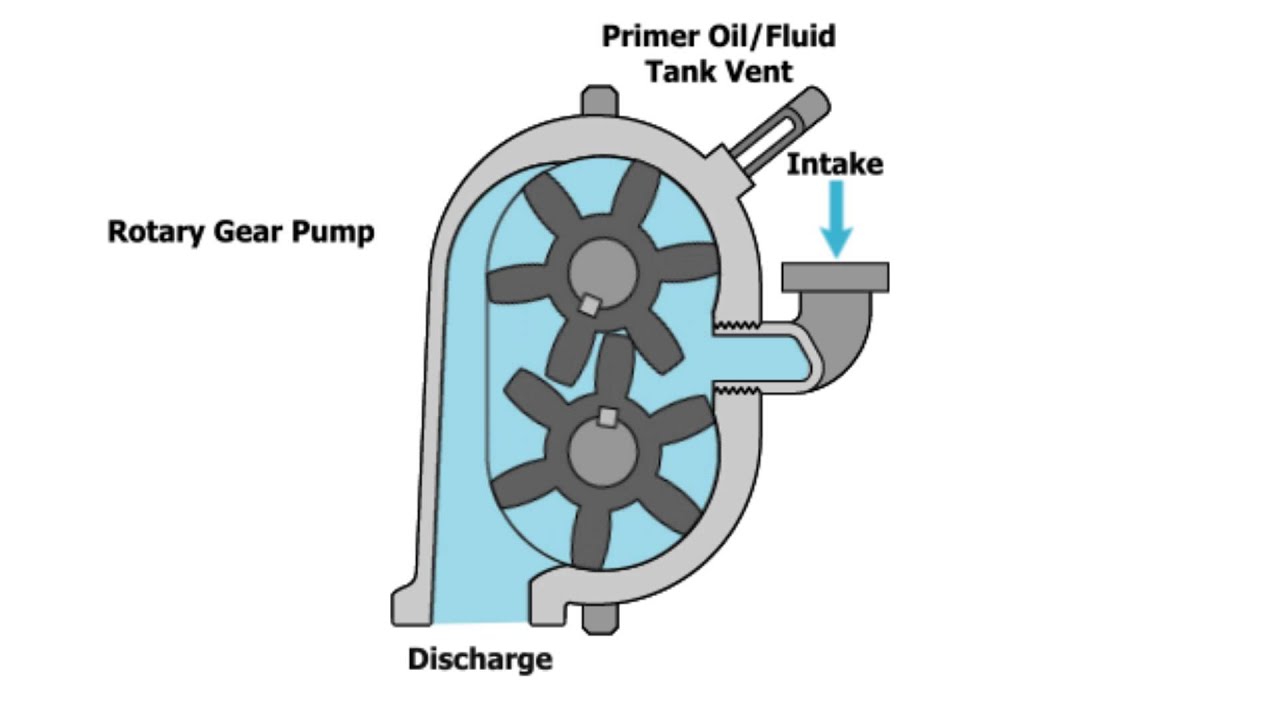
Figure 1 – Rotary Gear Pump
KEY ASPECTS OF ROTARY GEAR PUMPS
When selecting a rotary gear pump for a boiler system, the designer should consider these key aspects.
- Fluid Compatibility: Determine the type of fluid the pump will be handling in the boiler system, whether it’s fuel, lubrication oil, cooling water, or chemicals. The pump materials must be compatible with the fluid to prevent corrosion or damage.
- Flow Rate Requirements: Assess the required flow rate to meet the demands of the boiler system. The pump should have the capacity to provide the necessary volume of fluid at the required rate.
- Pressure and Temperature Ratings: Consider the operating pressure and temperature conditions in the boiler system. Ensure that the selected pump can handle these conditions without compromising performance or safety.
- Viscosity: Viscosity is crucial, especially when dealing with heavy or highly viscous fluids. The pump design and materials must accommodate the viscosity of the fluid.
- Material Selection: Choose materials for the pump components, such as the gears, casing, and seals. They must be compatible with the fluid and can withstand the operating conditions.
- Precision and Control: Evaluate the pump’s ability to provide a consistent and precise flow of fluid. Which is critical for maintaining the boiler’s performance and safety.
- Reliability and Durability: Look for a pump with a reputation for reliability and durability, as boiler systems typically operate continuously and require robust equipment.
- Efficiency: Consider the energy efficiency of the pump to minimize operational costs in the boiler system.
FUNCTIONS OF ROTARY GEAR PUMPS
- Fuel Transfer: In many boiler systems, rotary gear pumps can transfer fuel, such as heavy fuel oil, diesel, or natural gas, from storage tanks to the combustion chamber. These pumps ensure a continuous and controlled supply of fuel to maintain the desired combustion process, which is critical for efficient and reliable boiler operation.
- Lubrication: Boiler systems have various moving parts, including pumps, fans, and turbines, that require lubrication to reduce friction and wear. Rotary gear pumps deliver lubrication oil to these components, ensuring their smooth operation and prolonging their lifespan.
- Cooling and Sealing Fluids: Some boiler systems require cooling and sealing fluids to manage temperature and prevent leaks. These pump can circulate cooling water or sealant fluids, helping to maintain the operating temperature and prevent leakage in the system.
- Chemical Additives: In certain boiler systems, chemical additives are introduced to the water or steam to prevent scaling, corrosion, or improve overall efficiency. Rotary gear pumps can accurately meter and inject these additives into the system, contributing to boiler system performance and longevity.
CONCLUSION
Rotary gear pumps are a fundamental component in various industrial processes. Their ability to provide precise and non-pulsating fluid transfer, compatibility with a wide range of substances, and ease of flow control make them an indispensable tool in industries where accuracy and reliability are paramount. By adhering to maintenance best practices and considering safety standards, rotary gear pumps help ensure the efficiency and safety of industrial operations.
(Vn-Industry.)