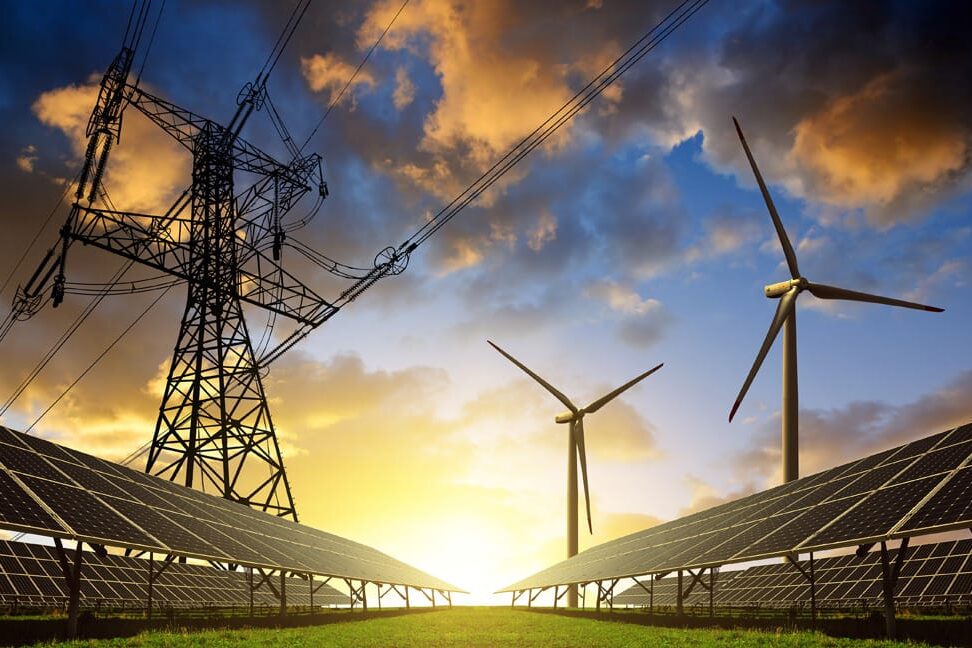
“Hydropower stations provide sustainable, reliable energy, benefiting industries like manufacturing, mining, and agriculture, while supporting environmental sustainability.”
HYDROPOWER STATIONS
A Vital Energy Source for the Industrial Sector
INTRODUCTION
Hydropower stations play a crucial role in the industrial sector. They provide a sustainable and reliable energy source. These stations convert the kinetic energy of flowing water into electricity. This process involves harnessing the power of rivers and dams. Hydropower is a proven technology that supports industrial growth.
What is a Hydropower Station?
A hydropower station is a facility that generates electricity from water. It uses turbines and generators to convert water flow into electrical energy. The process is clean and efficient. Hydropower stations are often located near rivers or dams. They take advantage of natural water flow to produce energy.

Key Components of a Hydropower Station
- Dam: The dam is a critical component of a hydropower station. It controls water flow and creates a reservoir. This reservoir stores water and releases it as needed. The dam’s design ensures a steady supply of water to the turbines.
- Reservoir: The reservoir stores large volumes of water. It provides a consistent water supply to the station. The reservoir’s size impacts the station’s energy output. Larger reservoirs can store more water, ensuring continuous power generation.
- Turbines: Turbines are essential in converting water energy into mechanical energy. Water flows over the turbine blades, causing them to spin. This spinning motion drives the generator. Different types of turbines are used based on water flow and pressure.
- Generators: Generators convert mechanical energy from the turbines into electrical energy. They play a key role in power production. The electricity generated is then transmitted to the grid. Generators ensure efficient energy conversion and delivery.
- Penstock: The penstock is a large pipe that delivers water to the turbines. It controls water flow and pressure. The design of the penstock ensures optimal performance. It directs water with minimal loss of energy.

Benefits of Hydropower Stations
- Renewable Energy Source: Hydropower is a renewable energy source. It relies on the natural water cycle. This ensures a sustainable supply of energy. Unlike fossil fuels, hydropower does not deplete natural resources.
- Low Operational Costs: Hydropower stations have low operational costs. Once built, they require minimal maintenance. The primary cost is the initial construction. Over time, the savings on fuel and maintenance are significant.
- Environmental Impact: Hydropower has a low environmental impact. It produces no direct emissions. This reduces the carbon footprint of industrial operations. Additionally, hydropower stations help manage water resources. They control flooding and support irrigation.
- Reliability and Stability: Hydropower provides a reliable and stable energy supply. Water flow is predictable and consistent. This ensures continuous power generation. Industries benefit from this stability, avoiding costly downtimes.
- Scalability: Hydropower stations are scalable. They can be built to meet various energy demands. Small-scale stations support local industries, while large-scale projects power entire regions. This flexibility makes hydropower suitable for diverse industrial needs.

Implementation of Hydropower Stations in Industry
- Manufacturing: Manufacturing industries rely heavily on electricity. Hydropower stations provide a steady and cost-effective energy source. This helps reduce production costs and improve efficiency. Factories can operate continuously, boosting productivity.
- Mining: Mining operations often require substantial power. Hydropower stations meet these energy needs effectively. They provide reliable power for mining equipment and facilities. This reduces reliance on diesel generators and lowers operational costs.
- Agriculture: Agricultural activities benefit from hydropower. Irrigation systems, processing facilities, and storage units require electricity. Hydropower stations supply this energy reliably. They also support water management for irrigation.
- Data Centers: Data centers demand continuous and stable power. Hydropower stations ensure this reliability. They provide clean energy, reducing the environmental impact of data centers. This is crucial for the tech-driven economy.
Future of Hydropower Stations in Industry
- Technological Advancements: Technological advancements will enhance hydropower efficiency. Research focuses on improving turbine and generator designs. These improvements will increase energy output and reduce costs.
- Wider Adoption: More industries will adopt hydropower. As technology advances and costs decrease, hydropower will become more accessible. This will drive wider adoption across various sectors.
- Policy Support: Government policies support renewable energy initiatives. Incentives and regulations promote hydropower adoption. This policy support will boost the implementation of hydropower stations in industries.
- Integration with Other Technologies: Hydropower stations can integrate with other technologies. For example, smart grids and IoT devices can optimize energy use. This integration will enhance energy management and efficiency.

CONCLUSION
Hydropower stations are vital for the industrial sector. They provide a sustainable, reliable, and cost-effective energy source. The benefits include low operational costs, environmental sustainability, and scalability. Hydropower supports various industries, from manufacturing to data centers.

As technology advances, hydropower will become even more efficient. Wider adoption and policy support will drive growth. Hydropower stations are not just an energy solution; they are a strategic investment in the future of industrial operations. Industries looking for sustainable and reliable power should consider hydropower. It is a proven technology that meets the energy needs of today and tomorrow.
(Vn-Industry.)
Home page: https://vn-industry.com/