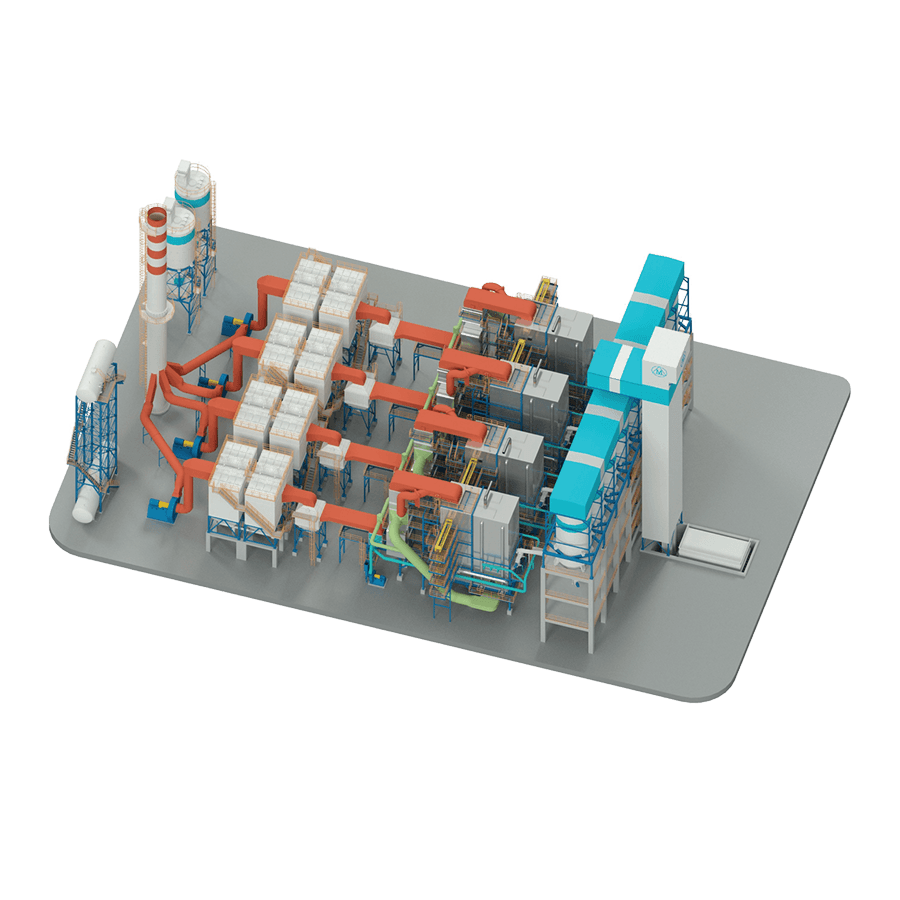
How does a coal-fired power station work?
A crucial component of the global energy landscape, providing a significant portion of the world’s electricity
INTRODUCTION
Coal-fired power stations have been a crucial component of the global energy landscape for decades, providing a significant portion of the world’s electricity. Understanding how these power stations work is essential in grasping their impact on the environment and society. In this article, we will delve into the intricacies of coal-fired power stations, focusing on their basic operations, advantages, disadvantages, and the potential future of this energy source.

1 – The Basics of Coal-Fired Power Stations
At the core of a coal-fired power station lies a simple yet ingenious process that converts coal’s chemical energy into electricity. The essential components of such power stations include a boiler, a turbine, and a generator. The process starts with the burning of coal in the boiler, producing high-pressure steam.
2 – Coal Combustion and Boiler Operation
The coal is crushed into a fine powder before being blown into the boiler’s combustion chamber. Inside the room, the powdered coal is mixed with air and ignited, leading to combustion. The heat generated from combustion raises the temperature of water-filled tubes surrounding the combustion chamber, producing steam.
3 – Steam Turbine Operation
The high-pressure steam generated in the boiler is directed toward the steam turbine. The steam’s pressure causes the turbine blades to spin rapidly, converting thermal energy into mechanical energy. The turbine’s design allows for maximum energy conversion efficiency, making it a vital component of the power station.
4 – Generator and Electricity Generation
As the turbine spins, it rotates the shaft of the generator, which contains a coil of wire within a magnetic field. The rotating shaft induces an electric current in the coil, generating electricity. The electricity produced in the generator is then transmitted through power lines to homes, businesses, and industries, meeting the energy needs of society.
ADVANTAGES AND DISADVANTAGES OF COAL POWER STATION

Advantages of Coal-Fired Power Stations
Coal-fired power stations offer several advantages, making them a preferred choice for many countries:
Cost-Effective: Coal is relatively abundant and cost-effective, providing a stable source of energy.
Reliable Baseload Power: These power stations can operate consistently, ensuring a stable electricity supply, especially when demand is high.
Existing Infrastructure: In some regions, coal-fired power stations leverage existing infrastructure, making the transition to renewable energy smoother.
Disadvantages of Coal-Fired Power Stations
Despite their advantages, coal-fired power stations have significant drawbacks that have led to growing concerns:
Greenhouse Gas Emissions: Coal combustion releases large amounts of carbon dioxide and other pollutants, contributing to climate change and air pollution.
Environmental Impact: The extraction and transportation of coal can lead to habitat destruction, water pollution, and soil degradation.
Health Concerns: Coal-fired power stations emit pollutants that can have adverse health effects on nearby communities.
MITIGATING ENVIRONMENTAL IMPACT
In recent years, stakeholders have made efforts to reduce the environmental impact of coal-fired power stations. Advancements in technologies like carbon capture and storage (CCS) aim to capture and store carbon dioxide emissions, thereby mitigating their impact on the atmosphere.
THE FUTURE OF COAL-FIRED POWER STATIONS
As the world transitions towards cleaner and more sustainable energy sources, the future of coal-fired power stations remains uncertain. Many countries are gradually phasing out coal in favor of renewable energy alternatives like solar, wind, and hydroelectric power.

CONCLUSION
For decades, coal-fired power stations have played a crucial role in meeting the world’s energy demands. Understanding how these power stations work is essential to grasping their environmental impact and significance in the energy mix. While they provide cost-effective and reliable energy, the negative effects of coal combustion have spurred the search for greener alternatives. Ongoing advancements in renewable energy technologies offer hope for a more sustainable and cleaner future, reducing our heavy reliance on coal-fired power stations.
(Vn-Industry.)
Home page: https://vn-industry.com/