“Flue gas treatment systems reduce harmful industrial emissions, improve air quality, protect public health, and ensure compliance with environmental regulations.”
Flue gas treatment systems
Reduce the harmful pollutants emitted from industrial sources
INTRODUCTION
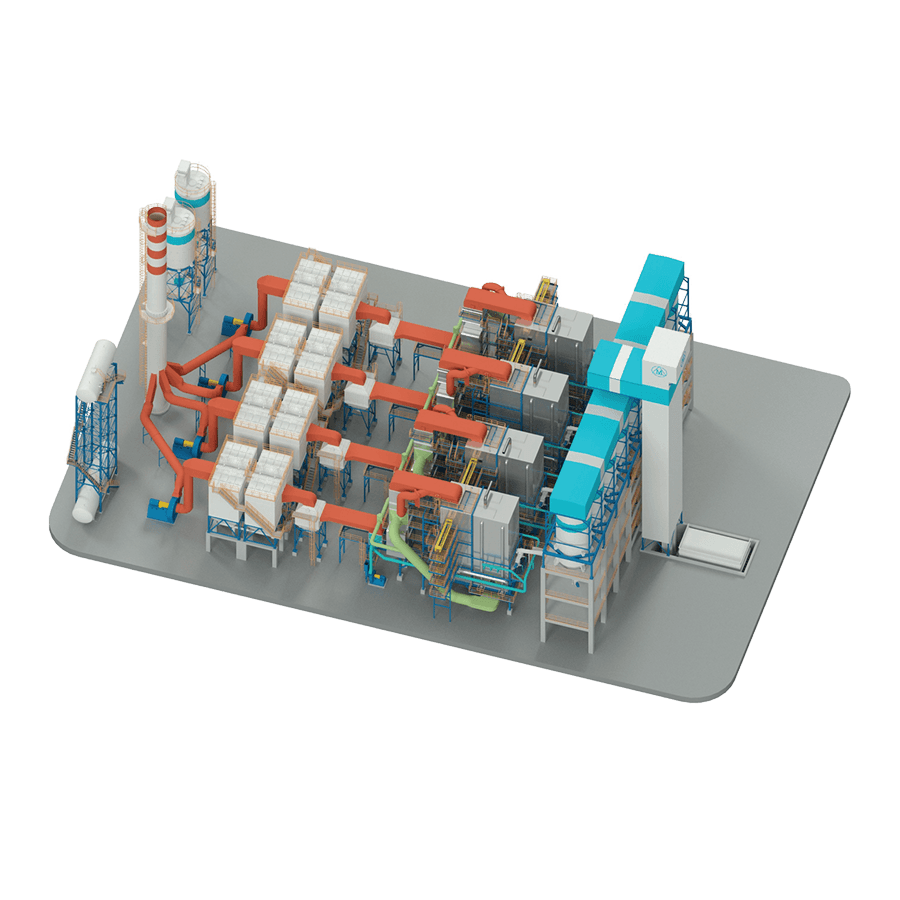
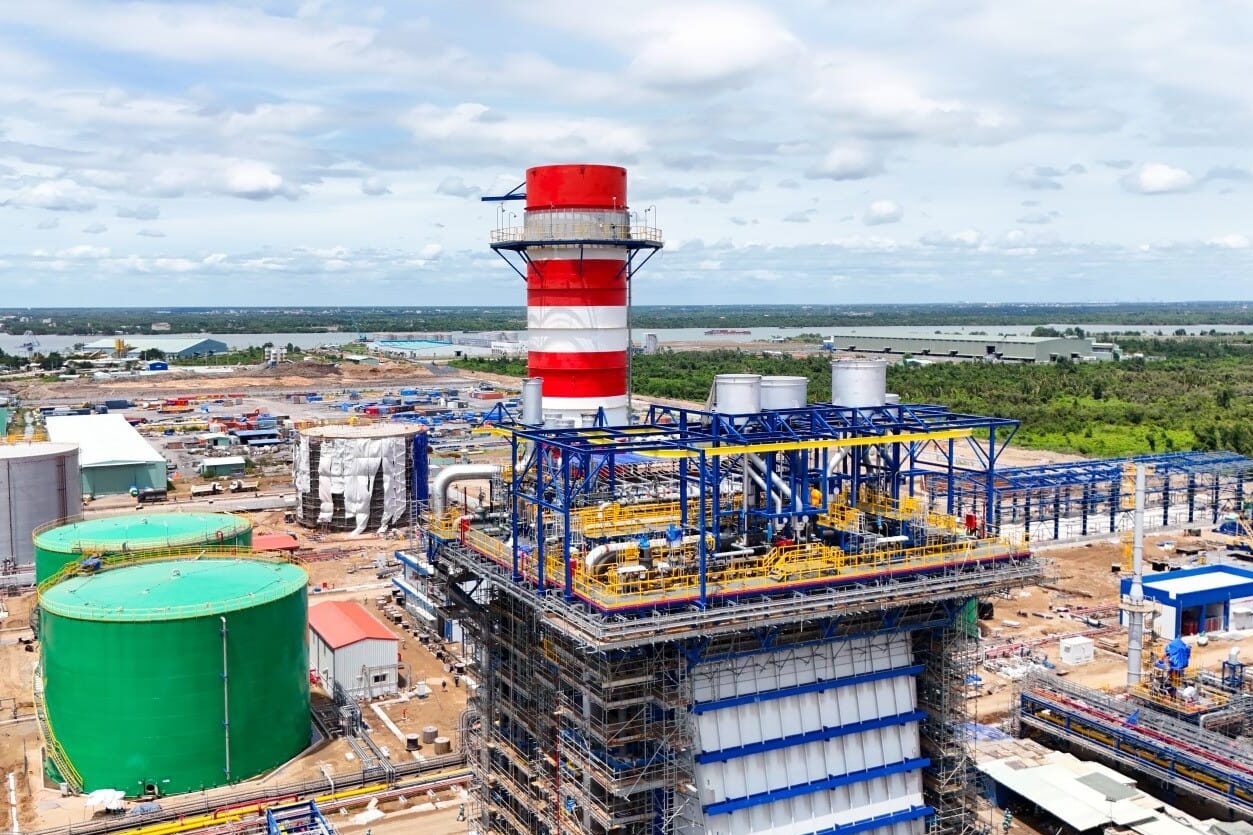
Flue Gas Treatment Systems (FGTS) are combustion exhaust gas treatment systems.
In recent decades, the increasing concerns about environmental pollution and climate change have propelled the development of various technologies to mitigate the adverse effects of industrial emissions. One such technology is the Flue Gas Treatment System (FGTS), which aims to reduce the harmful pollutants emitted from industrial sources. This essay explores the significance of FGTS and its role in promoting environmental sustainability. Furthermore, it will delve into the working principles of FGTS, its components, and the potential benefits it offers.

THE NEED FOR FLUE GAS TREATMENT SYSTEMS
Environmental Impact of Industrial Emissions:
The combustion of fossil fuels in industrial processes releases numerous pollutants into the atmosphere, including sulfur dioxide (SO2), nitrogen oxides (NOx), particulate matter (PM), and heavy metals. These emissions contribute to air pollution, acid rain, and global warming, thereby posing a significant threat to human health and the environment.
Regulatory Frameworks and Compliance:
Governments worldwide have implemented stringent environmental regulations to combat air pollution and protect public health. Industries are compelled to comply with these regulations, necessitating the adoption of effective emission control technologies such as FGTS.
WORKING PRINCIPLES
Flue Gas Desulfurization (FGD):
Flue Gas Conditioning involves the treatment of flue gases before they enter the emission control devices. This process aims to optimize the efficiency of pollution control equipment by modifying the characteristics of flue gases, such as temperature, moisture content, and particulate size distribution.
Absorption Towers and Scrubbers:
Absorption towers and scrubbers play a vital role in flue gas desulfurization. These towers utilize various liquid sorbents to remove sulfur dioxide and other acidic gases from flue gases. The absorption process involves the contact between the flue gas and the liquid sorbent, leading to the chemical absorption of pollutants.
Catalysts and Reactors:
Catalysts are employed in selective catalytic reduction systems to facilitate the chemical reactions between nitrogen oxides and reducing agents. These catalysts enhance the reaction rate and improve the overall efficiency of the process. Reactors provide an environment for the desired chemical reactions to take place effectively.
BENEFITS OF FLUE GAS TREATMENT SYSTEMS
Environmental Protection:
Instrumentation and control systems provide operators with the necessary information and control capabilities to monitor and manage the air supply system effectively. This may involve the use of control panels, displays, alarms, and other interfaces for seamless operation and troubleshooting.
Public Health Improvement:
The implementation of FGTS leads to a significant reduction in the release of pollutants associated with respiratory diseases and other health issues. By minimizing exposure to harmful emissions, FGTS helps safeguard public health and enhances the well-being of communities living near industrial areas.
Regulatory Compliance and Reputation:
Adopting FGTS enables industries to comply with stringent environmental regulations, avoiding penalties and legal consequences. Moreover, demonstrating commitment towards sustainable practices enhances the company’s reputation, fostering positive relationships with stakeholders and potential investors.
CONCLUSION
Flue Gas Treatment Systems have emerged as a critical technology for mitigating the adverse environmental impact of industrial emissions. By employing various techniques such as flue gas desulfurization, selective catalytic reduction, and electrostatic precipitation, FGTS effectively reduces pollutants and ensures compliance with environmental regulations. The widespread implementation of FGTS brings multiple benefits, including improved air quality, enhanced public health, and a positive corporate reputation. As industries continue to prioritize sustainability, the utilization of FGTS will play a pivotal role in achieving a cleaner and greener future for generations to come.
(Vn-Industry.)
Home page: https://vn-industry.com/