“Industries reduce emissions and boost efficiency by adopting green technologies, renewable energy, and alternative fuels in boiler systems.“
ENERGY TRANSITION AND EMISSIONS REDUCTION
A Sustainable Industrial Path
INTRODUCTION
Industries worldwide face increasing pressure to address climate change and environmental challenges. Transitioning to green energy sources and technologies is now a priority. These efforts not only reduce greenhouse gas emissions but also optimize energy efficiency. Companies are adopting alternative fuels and implementing energy-saving technologies, particularly in boiler systems, to achieve sustainability goals.

1. Renewable Energy and Alternative Fuels
Renewable energy has become a cornerstone of sustainable industrial strategies. Solar, wind, and hydropower are increasingly popular choices for reducing fossil fuel reliance. Many companies invest heavily in installing solar panels and wind turbines to meet energy demands sustainably. These technologies lower carbon emissions, aligning with global climate goals.
Moreover, industries are turning to biofuels and biogas as substitutes for oil and coal. These alternative fuels not only reduce greenhouse gas emissions but also utilize waste materials efficiently. By adopting renewable energy and alternative fuels, industries take significant steps toward reducing their environmental impact.

2. Energy-Saving Technologies in Boiler Systems
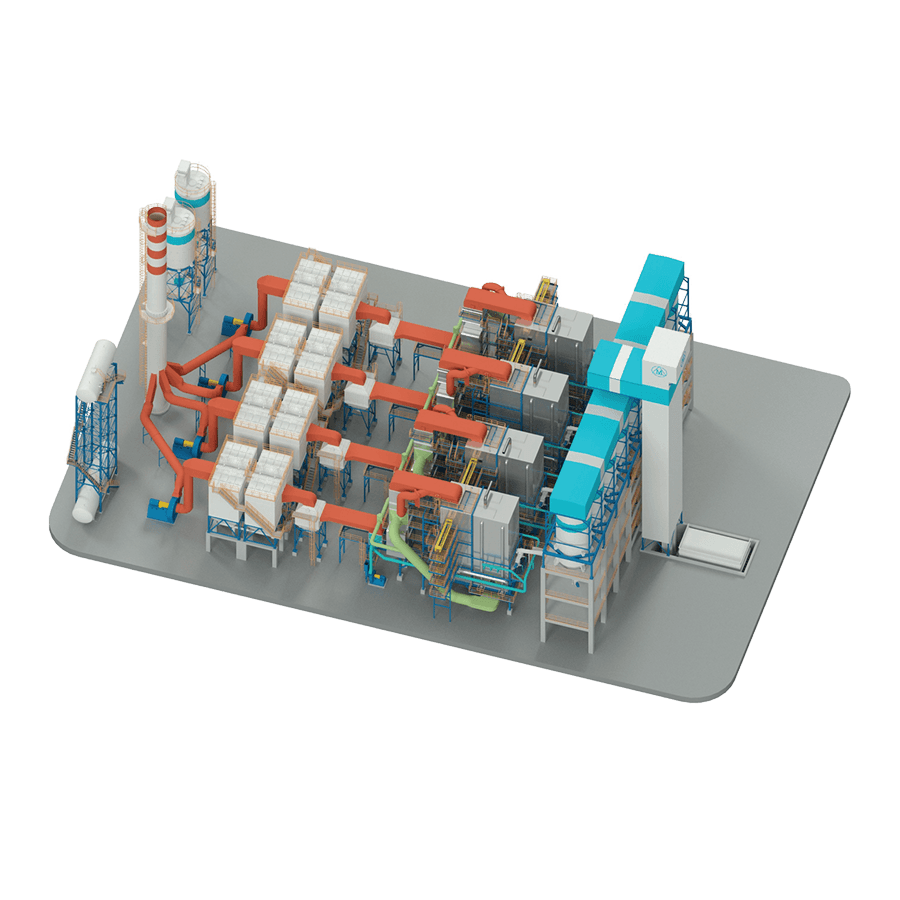
Boiler systems are significant contributors to industrial emissions. To address this, companies are integrating advanced technologies that enhance fuel efficiency and lower energy consumption. Modern boilers are designed to operate on alternative fuels such as natural gas, bio-oil, and industrial waste.
Additionally, automated control systems and advanced maintenance techniques are reducing energy waste. These technologies monitor boiler performance in real time, ensuring optimal operation and fuel efficiency. Consequently, industries benefit from reduced emissions and lower operational costs.

3. Steps to Implement Green Technologies
Transitioning to green technologies requires strategic planning and execution. Companies must first evaluate their current energy sources and identify viable alternatives. This evaluation helps determine the most effective solutions for their specific needs.
Investing in new technology and workforce training is also essential for successful implementation. Skilled employees are better equipped to operate and maintain advanced systems. Finally, routine maintenance and periodic upgrades ensure long-term efficiency and emissions reduction. These steps lay the foundation for sustainable industrial practices.
4. Benefits of Energy Transition
Shifting to renewable energy and green technologies offers numerous benefits. Firstly, it significantly reduces energy costs and reliance on fossil fuels. Companies gain financial stability by minimizing exposure to volatile fuel prices.
Secondly, adopting sustainable practices protects the environment by curbing emissions and mitigating climate change. This approach aligns industries with global environmental goals, enhancing their reputation and market competitiveness. Lastly, advanced technologies improve production efficiency and product quality. This results in higher profitability and stronger customer trust.
5. Challenges and Solutions
While the energy transition offers clear advantages, it also presents challenges. High initial investment costs and a lack of skilled personnel are common obstacles. However, companies can address these challenges through financial support and collaborative efforts.
Government incentives and funding programs can offset upfront costs, making green technologies more accessible. Partnering with specialized organizations provides expertise and resources for effective implementation. Additionally, continuous research and development lower the costs of emerging technologies over time. By overcoming these barriers, industries can accelerate their transition to sustainability.
CONCLUSION
Energy transition and emissions reduction represent an essential path for industries in the modern era. By adopting green technologies and alternative fuels, companies minimize environmental impact while enhancing economic efficiency. This dual approach ensures a sustainable future for businesses and society alike.

Investing in green technologies is no longer a trend but a necessity in today’s industrial landscape. Acting decisively and consistently in implementing these measures will yield long-term and sustainable benefits. As industries embrace innovation, they pave the way for a cleaner and more prosperous future.
(Vn-Industry.)
Home page: https://vn-industry.com/