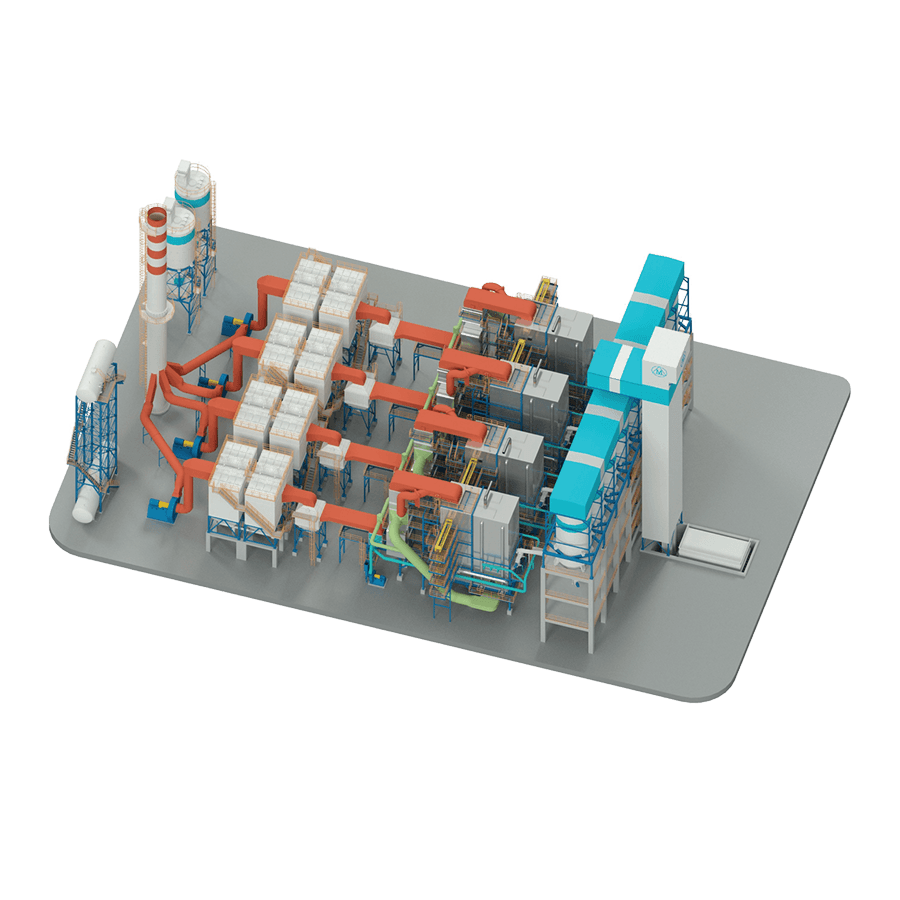
“Conveyor screws and fuel screws revolutionize material handling and combustion efficiency, offering precision, adaptability, and sustainability in industrial operations.”
Conveyor screws and fuel screws
Efficient Mechanisms for Material Handling and Combustion
INTRODUCTION
Conveyor screws and fuel screws are vital components used in various industrial applications, each serving a distinct purpose in material handling and combustion processes. These mechanical devices play a pivotal role in facilitating the seamless movement of materials and enhancing the efficiency of combustion systems.
Conveyor screws, also known as augers, are mechanical devices designed to transport materials from one point to another within a production or processing system. Fuel screws, on the other hand, are specialized conveyor screws used to deliver fuel to combustion chambers, such as those found in furnaces, boilers, and power plants. Both conveyor screws and fuel screws are engineered to maximize efficiency and reliability in material handling and combustion operations.
Conveyor screws: material handling marvels

Figure 1 – Conveyor screws
Conveyor screws consist of a helical screw blade wrapped around a central shaft. As the shaft rotates, the screw blade propels materials forward, creating a controlled flow. These devices are used across industries for tasks ranging from moving granular substances in agriculture to conveying bulk materials in mining operations. Conveyor screws excel in their ability to handle a wide range of materials, from fine powders to larger particles.
The active design of conveyor screws enables precise control over material movement. The helical shape of the screw blade prevents material from sliding backward, ensuring a continuous flow. This mechanism is particularly useful when a consistent material feed rate is crucial for downstream processes. Conveyor screws eliminate the need for manual labor in material transportation, improving operational efficiency and reducing the risk of worker fatigue and injuries.
Fuel screws: powering combustion efficiency

Figure 2 – Fuel screws
Fuel screws, a subtype of conveyor screws, focus specifically on delivering fuel to combustion systems. These systems rely on controlled combustion to generate heat, which is often converted into energy for various applications. Fuel screws play a critical role in ensuring the precise and consistent delivery of fuel to the combustion chamber.
By using active conveyance, fuel screws deliver fuel in a controlled manner, optimizing the combustion process. This level of control results in efficient fuel consumption and reduces waste, contributing to environmental sustainability. In industrial settings, such as power plants, fuel screws help maintain a stable combustion rate, which enhances energy production and reduces emissions.
ENGINEERING ADVANCEMENTS AND APPLICATIONS
Advancements in engineering have led to the development of specialized materials and designs for conveyor screws and fuel screws. Corrosion-resistant coatings and high-strength alloys extend the lifespan of these devices, making them suitable for use in demanding environments such as chemical processing plants and marine facilities. Additionally, the adoption of variable speed drives and automation technology has further improved the precision and adaptability of conveyor and fuel screws.
In agriculture, conveyor screws are used to transport harvested crops, ensuring a steady supply to processing units. In construction, they facilitate the movement of cement, sand, and other materials to construction sites, boosting project efficiency. Meanwhile, in the energy sector, fuel screws are indispensable in delivering coal, biomass, and other fuels to combustion chambers in power plants, enabling efficient electricity generation.
MAINTENANCE AND OPTIMIZATION
Proper maintenance is crucial to the longevity and performance of conveyor screws and fuel screws. Regular inspection of the screw blade, shaft, and associated components ensures that the system operates smoothly. Lubrication of moving parts reduces friction, preventing premature wear and tear. Timely maintenance also prevents unexpected downtime and production disruptions.
Moreover, optimizing the design of conveyor screws and fuel screws contributes to enhanced efficiency. Engineers continually refine the geometry of screw blades to improve material flow and reduce energy consumption. Computational simulations aid in fine-tuning screw designs for specific materials and applications, resulting in maximized conveying capacity and minimized power requirements.
CONCLUSION
Conveyor screws and fuel screws are prime examples of active mechanical devices that enhance material handling and combustion processes. Their precise engineering and controlled movement play a vital role in a diverse range of industries, from agriculture to energy production. As technology continues to evolve, these devices will undoubtedly become even more efficient and adaptable, driving progress and innovation across industries worldwide.
(Vn-Industry.)
Home page: https://vn-industry.com/