“The air intake system enhances engine efficiency by delivering clean, oxygen-rich air, optimizing combustion, power output, and fuel economy.”
Air intake
The Vital Role of Air Intake in Engine Performance
INTRODUCTION
The air intake system plays a pivotal role in the optimal functioning of internal combustion engines. It serves as the gateway through which the engine draws in the essential ingredient for combustion: air. In this article, we will delve into the significance of the air intake system, its components, and its impact on engine efficiency and power generation.

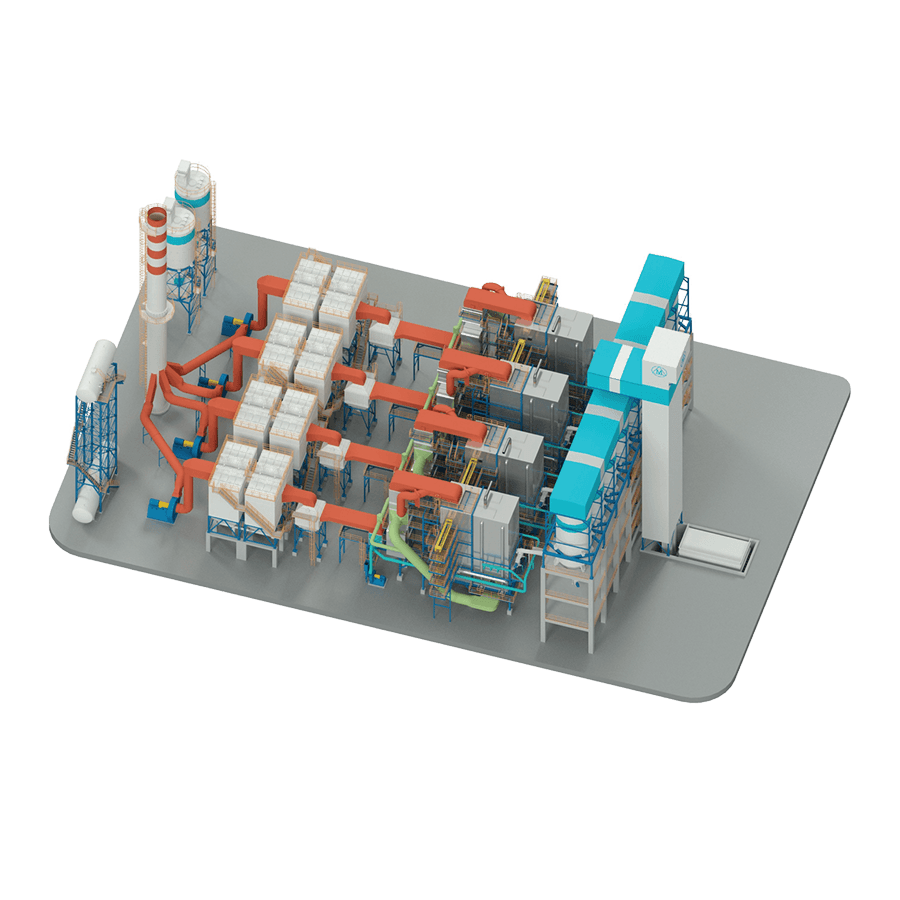
Figure 1 – Air intake
The air intake system, often overlooked, is the unsung hero of an engine’s performance. Without it, an engine’s power output would be severely compromised. The primary function of this system is to supply the engine with the necessary oxygen for the combustion process, which powers the vehicle.

Figure 2 – Air Supply System-Compressor Booster
1-Components of the Air Intake System
The air intake system comprises several key components. The air filter, located at the entry point, prevents debris, dust, and contaminants from entering the engine. It ensures that only clean air reaches the combustion chambers, safeguarding the engine’s health and longevity. The air filter requires periodic replacement to maintain its effectiveness.
Connected to the air filter is the throttle body, responsible for regulating the airflow into the engine. As the driver presses the accelerator pedal, the throttle body opens or closes, determining the quantity of air that enters. This interaction directly impacts the engine’s power output and responsiveness.
2- Mass Airflow Sensor (MAF)
Another crucial element is the Mass Airflow Sensor (MAF). This sensor measures the volume of incoming air and sends this data to the engine control unit (ECU). The ECU then adjusts the air-fuel mixture for efficient combustion, optimizing fuel consumption and emissions.
3- Intake Manifold
The intake manifold is the passage that delivers air from the air filter and throttle body to the cylinders. In some modern engines, the intake manifold is equipped with variable-length runners. These adjust the length of the intake path based on engine speed and load, enhancing low-end torque and high-end power.
4- Impact on Engine Performance
A well-designed air intake system can significantly impact engine performance. With an ample supply of clean air, combustion becomes more efficient, leading to improved fuel economy and reduced emissions. Furthermore, the engine can generate more power, as the combustion process is enhanced with the optimal air-fuel mixture.
5- Cold Air Intakes
Cold air intakes are a popular aftermarket modification. By relocating the air filter to a cooler location, such as the front of the vehicle, these systems provide denser and colder air to the engine. Cooler air is more oxygen-rich, promoting better combustion and potentially increasing horsepower. However, it’s essential to strike a balance, as excessively cold air can lead to condensation and negatively impact engine performance.
6- Turbochargers and Superchargers
Air intake systems are particularly crucial for engines equipped with forced induction, such as turbochargers and superchargers. These devices compress the incoming air, increasing its density and allowing more oxygen to be packed into the cylinders. The air intake system must deliver this pressurized air effectively to maximize the benefits of forced induction.
7- Maintenance and Upkeep
Regular maintenance of the air intake system is vital to ensure its continued functionality. Routine checks and filter replacements prevent clogs that can restrict airflow and reduce engine efficiency. Additionally, inspecting and cleaning the MAF sensor contributes to accurate air volume measurements, facilitating proper fuel management.
CONCLUSION
In conclusion, the air intake system is an indispensable component of internal combustion engines. It ensures that the engine receives clean, oxygen-rich air for efficient combustion, which in turn affects power generation, fuel efficiency, and emissions. Understanding the role of the air intake system sheds light on the complexities and interdependencies within a modern engine, highlighting the significance of this often-overlooked component in the world of automotive engineering.
(Vn-Industry.)
Home page: https://vn-industry.com/