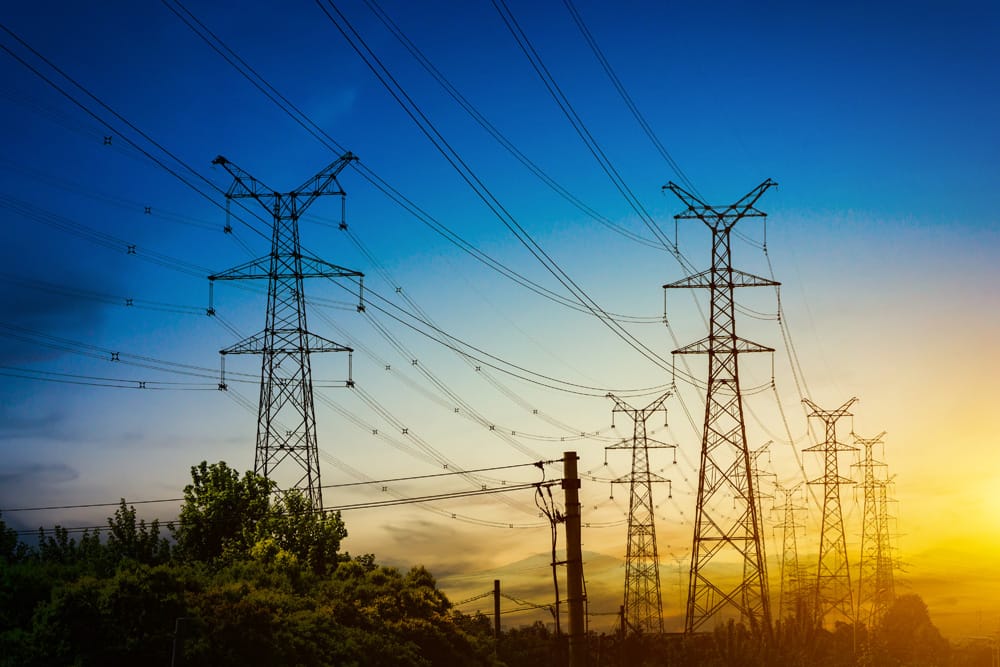
“Renewable energy from natural sources like solar, wind, and geothermal reduces pollution, combats climate change, and ensures sustainability.”
Renewable energy
A Step Towards a Sustainable Future
INTRODUCTION
The transition to sustainable energy sources is gaining momentum worldwide, offering solutions to reduce pollution, carbon emissions, and climate change effects.

What Is Renewable Energy?
Renewable energy is derived from natural resources that are replenished naturally, such as sunlight, wind, rain, and geothermal heat. Unlike non-renewable sources, these energy forms are inexhaustible and environmentally friendly. They have been increasingly used for electricity generation, heating, and transportation, contributing significantly to reducing pollution and fostering global sustainability.

Why Choose Renewable Energy Over Non-Renewable Sources?
Renewable energy, unlike fossil fuels, never runs out. Wind, solar, and geothermal sources are naturally replenished, ensuring a constant energy supply.
Sustainability
Fossil fuels are not sustainable in the long term, whereas green energy supports environmental and economic health. Solar panels and wind turbines are examples of sustainable energy technologies.
Environmental Benefits
Non-renewable energy pollutes the air, water, and soil, while renewable sources like solar and wind drastically reduce greenhouse gas emissions.

Advantages of Renewable Energy
- Reduction in Pollution: Clean energy sources minimize emissions from industries and vehicles.
- Conservation of Resources: By tapping into wind, water, and solar energy, we protect fragile ecosystems.
- Energy Security: Local renewable energy reduces dependence on imported fuels.
- Climate Change Mitigation: It addresses global warming by lowering harmful emissions.
Exploring Types of Renewable Energy
– Solar Power: Converts sunlight into electricity through photovoltaic panels, offering an emission-free energy source.

– Wind Energy: Captures wind through turbines to produce clean electricity efficiently.

– Hydropower: Utilizes water flow to generate energy but requires careful ecological management.

– Geothermal Energy: Extracts heat from beneath the Earth’s surface for electricity and heating.

– Biomass: Converts organic materials like plants and waste into energy, reducing landfill use.

– Tidal Energy: Harnesses ocean tides, although limited by cost barriers.

– Solid Waste Energy: Converting waste into energy manages landfill use and generates electricity.

– Hydrogen Energy: Hydrogen fuels eco-friendly engines and offers future energy potential.

CONCLUSION
Transitioning to renewable energy is vital for combating climate change, reducing environmental harm, and achieving energy independence. As countries embrace solar, wind, and geothermal power, they pave the way for a sustainable and resilient future. By adopting these clean energy sources, we can ensure a healthier planet for generations to come.
(Vn-Industry.)
Home page: https://vn-industry.com/