“Combined Cycle Power Plants maximize efficiency by integrating gas and steam cycles, reducing emissions, conserving energy, and enabling sustainable development.”
Combined cycle power plant
INTRODUCTION
A Combined Cycle Power Plant (CCPP) generates electricity by combining two or more thermodynamic cycles, typically the gas cycle (Brayton Cycle) and the steam cycle (Rankine Cycle). The primary goal of this integration is to improve energy conversion efficiency and reduce fuel consumption.

Watch the video describing the main equipment system
The fundamental principle of the combined cycle is that after the working fluid (exhaust gas) completes its cycle in the first engine, it remains sufficiently hot to allow a second thermal engine to extract additional energy from the exhaust heat. Typically, heat is transferred through a heat exchanger so that the two engines can use different working fluids.
By harnessing energy from multiple streams, overall efficiency can increase to 50–60%. This represents a significant improvement from the single-cycle system’s 34% efficiency to a net efficiency of up to 64% for turbines under specified conditions in a combined cycle setup.
DETAILS OF THE COMBINED CYCLE
Common Abbreviations:
- CCPP – Combined Cycle Power Plant
- CCGT – Combined Cycle Gas Turbine
- COGAS – Combined Gas and Steam
- CHP – Combined Heat and Power
- GT – Gas Turbine
- IGCC – Integrated Gasification Combined Cycle
- IGSC – Integrated Gasification Steam Cycle
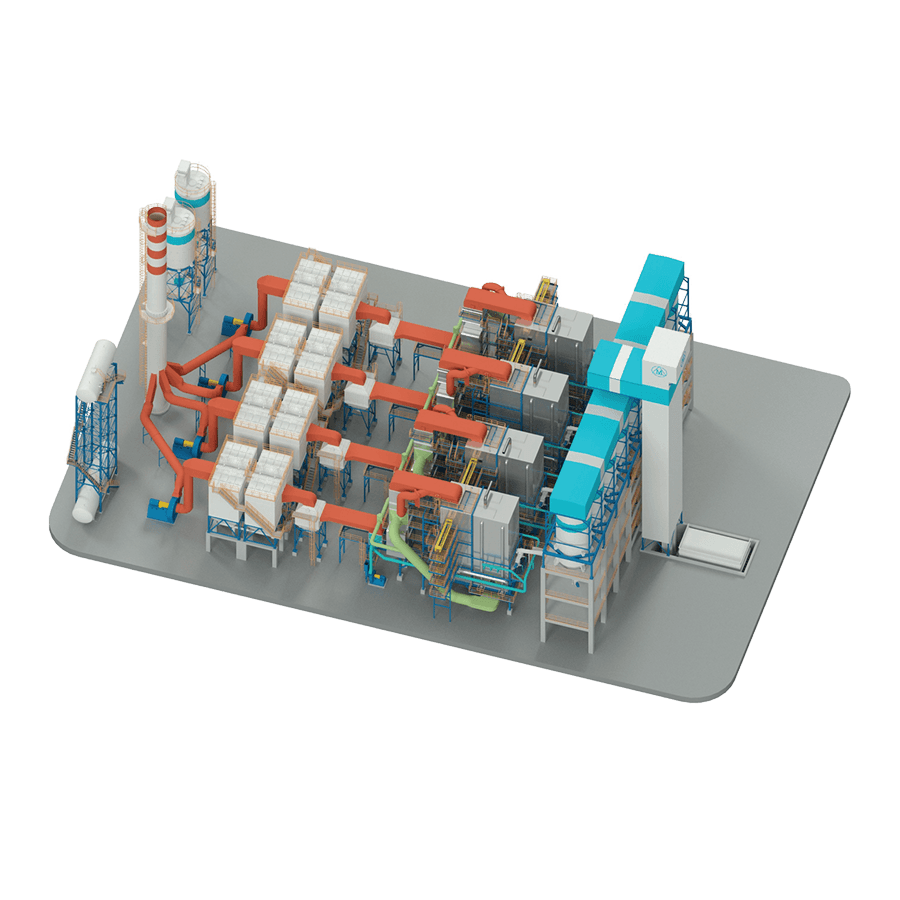
- HRSG – Heat Recovery Steam Generator
How It Works:
-
Gas Cycle (Brayton or Joule Cycle): Fuel (typically natural gas) combusts in a gas turbine, generating high-pressure hot gases to spin the turbine and produce electricity. This is known as the topping cycle (in figure 2 is section 1-2-3-4-1), operating at high temperatures.
-
Steam Cycle (Rankine Cycle): The hot exhaust gases from the gas turbine are directed to a heat recovery steam generator (HRSG), where they produce steam. The steam then powers a steam turbine, generating additional electricity. This is referred to as the bottoming cycle (in Figure 2 is the segment a-b-c-d-e-f-a), operating at lower temperatures.

During the constant-pressure process 4-1, exhaust gas from the turbine releases heat. Feedwater, wet steam, and superheated steam absorb part of this heat during processes ab, bc, and cd.
Cheng Cycle:
The Cheng Cycle is a simplified version of the combined cycle where the steam turbine is eliminated by directly injecting steam into the combustion turbine (gas turbine). This method has been in use since the mid-1970s and enables waste heat recovery with reduced overall complexity, but sacrifices the additional power output and backup capabilities of a true combined cycle system.
It lacks a steam turbine or additional generator, making it unsuitable as a backup or supplementary power source. The cycle is named after American professor DY Cheng, who patented the design in 1976.

Benefits of Combined Cycle Power Plants:
The combination of these two cycles allows waste heat from the gas cycle to be utilized for additional power generation, enhancing the overall efficiency of the plant.
- High Efficiency: Combined cycle power plants can achieve efficiencies of up to 60% or higher, compared to around 35-40% for traditional thermal power plants.
- Reduced Emissions: Due to their high efficiency, CO₂ emissions and other pollutants per unit of electricity are significantly reduced.
- Fuel Flexibility: While natural gas is the most common fuel, these plants can also operate on alternative fuels such as diesel, biogas, or hydrogen.
- Lower Electricity Production Costs: In November 2013, the Fraunhofer Institute for Solar Energy Systems ISE (Germany) assessed the levelized cost of energy (LCOE) for newly constructed power plants in Germany’s electricity sector. They estimated costs ranging from €78 to €100/MWh for CCGT plants running on natural gas. Additionally, the capital costs of combined cycle power are relatively low, approximately $1,000/kW or $1,000,000/MW, making it one of the most affordable types of power generation to install.
Applications and Development Trends:
Combined cycle power plants are widely used around the world, especially in countries with abundant natural gas supplies. With the shift toward clean energy, the integration of hydrogen as a fuel in these plants is being researched and developed to minimize environmental impact and promote sustainable development.
The adoption of combined cycle technology not only enhances power generation efficiency but also plays a crucial role in reducing negative environmental impacts and meeting the growing energy demands of modern society.
COMBINED CYCLE POWER PLANTS
Combining Peak and Bottoming Cycles
Historically successful combined cycles have utilized a combination of mercury steam turbines (or magnetohydrodynamic generators or molten carbonate fuel cells) with low-temperature bottoming cycle steam turbine systems (also known as Rankine cycles).
Very low-temperature bottoming cycles are more expensive due to the large equipment sizes required to handle significant fluid flows with small temperature differentials. However, in cold climates, hot water from power plants is often sold for use in district heating and space heating for nearby residents. Vacuum-insulated pipelines can extend this utility up to 90 km. This approach is known as “combined heat and power” (CHP) or cogeneration. For example, in Finland, operating community heating systems using steam power plant condensation heat has become common. Such cogeneration systems can theoretically achieve efficiencies exceeding 95%.
On land, the most common type of plant used today for power generation is known as a combined cycle gas turbine (CCGT) plant. This is a type of power plant that burns gas. Fixed CCGTs burn natural gas or synthesis gas from coal. These plants consist of a large gas turbine (operating on the Brayton cycle), whose hot exhaust gases power a separate steam turbine generator (operating on the Rankine cycle).

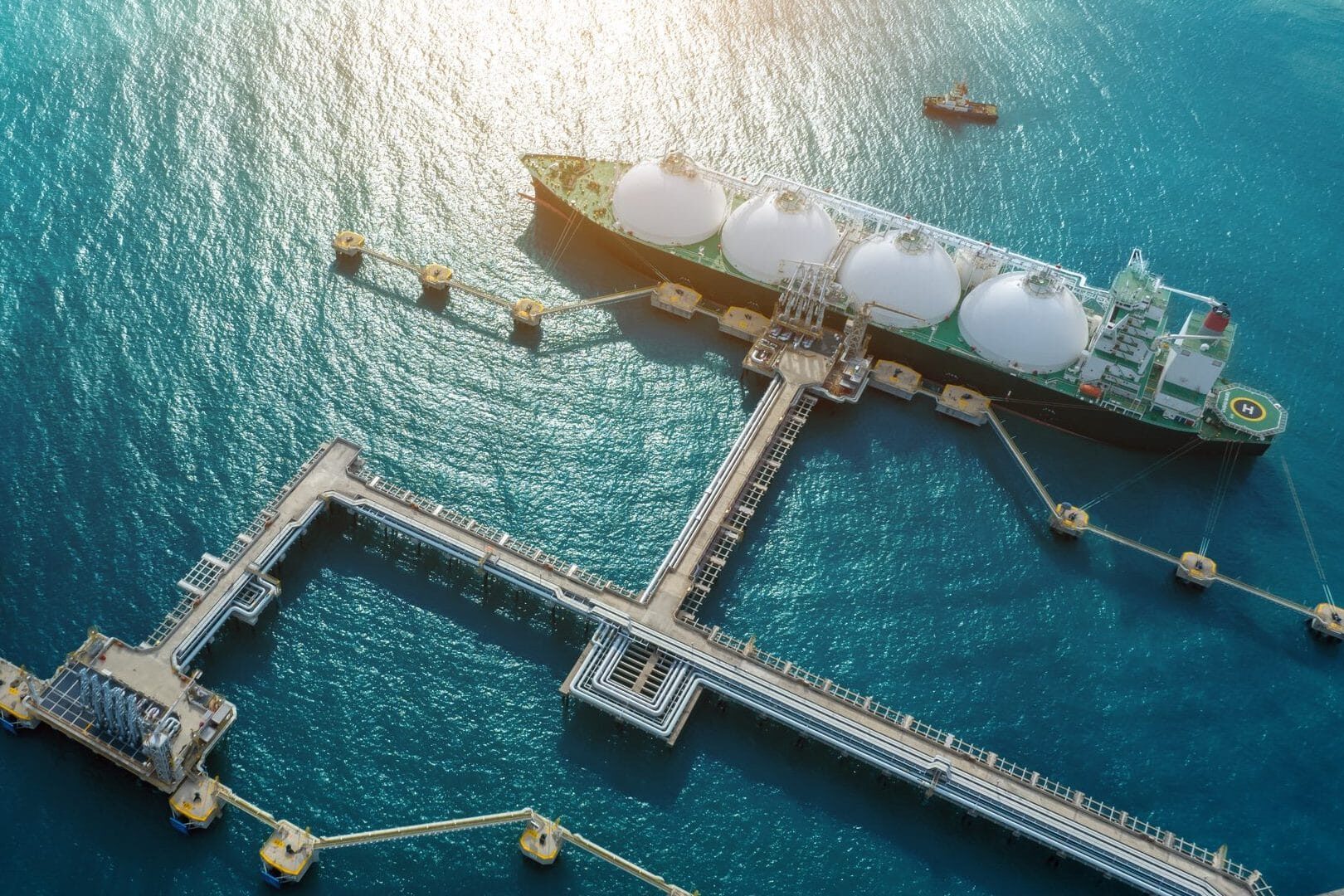
A similar principle is applied to marine propulsion systems, where it is referred to as the combined gas and steam plant (COGAS). These ships burn fuel oil.

Integrated Gasification Combined Cycle (IGCC)
The Integrated Gasification Combined Cycle, or IGCC, is a power plant that uses syngas. Syngas can be produced from various sources, including coal and biomass. The system employs both gas and steam turbines, with the steam turbine using residual heat from the gas turbine. This process can improve power generation efficiency to approximately 50%.

Integrated Solar Combined Cycle (ISCC)
The Integrated Solar Combined Cycle (ISCC) is a hybrid technology where solar thermal fields are integrated into combined cycle power plants. In ISCC plants, solar energy is used as a supplementary heat source to support the steam cycle, leading to increased power output or reduced fossil fuel usage.

Benefits of ISCC
Thermodynamic benefits include eliminating daily steam turbine startup losses. Key factors limiting the load capacity of combined cycle plants include permissible pressure and temperature variations for steam turbines, waiting times for the heat recovery steam generator (HRSG) to set the required steam conditions, and heating times to balance the plant and main piping system. These constraints also affect the quick startup ability of the gas turbine, which requires waiting time and consumes fuel. The solar component, when the plant starts after a sunny period or beforehand if thermal storage is available, helps preheat the steam to the necessary conditions, allowing for quicker startup and reduced fuel consumption before achieving operating conditions.
Economic benefits include the solar components costing only 25% to 75% of the cost of a comparable solar power generation system with the same thermal collection surface.
Practical Deployment
The first such system to be put into operation was the Archimede Combined Cycle Power Plant in Italy in 2010. It was followed by the Martin Solar Energy Center in Florida, and in 2011, the Kuraymat ISCC Power Plant in Egypt. Other plants include the Yazd Power Plant in Iran, the Hassi R’mel Power Plant in Algeria, and the Ain Beni Mathar Power Plant in Morocco.


Hydrogen Combined Cycle Power Plants
Natural gas power plants can be designed to convert to hydrogen by incorporating wider pipelines at the burners to increase flow, as hydrogen is less dense than natural gas.
The challenge is that current electrolysis plants are not capable of supplying the scale of hydrogen needed for a large-scale power plant. The solution involves on-site electrolysis and large-scale hydrogen storage in compressed form to minimize space usage. Another challenge is hydrogen’s potential to cause embrittlement of steel (Hydrogen Embrittlement) in pipes and other equipment.
Proposed solutions include using 316L stainless steel pipes for handling compressed hydrogen over 50 bar (a level similar to compressed natural gas) or building wider pipes for hydrogen. Polyethylene or fiber-reinforced polymer pipes could also be used.

Nitrogen Oxides (NOx)
When hydrogen is burned as a fuel, no carbon dioxide is produced, but more nitrogen oxides are generated due to the higher flame temperature from hydrogen. A selective catalytic reduction process can decompose NO₂ into nitrogen and water. The combustion exhaust from hydrogen is steam, which can be used as a diluent to lower the high flame temperature that generates NOx.
Corrosion
The corrosion of turbines due to steam from hydrogen flames could reduce the plant’s lifespan, requiring more frequent replacement of parts.
Fuel Handling
Hydrogen is the smallest and lightest element and can leak more easily at connection points and joints. Hydrogen diffuses quickly, reducing the risk of explosions. Additionally, hydrogen flames are not as visible as standard flames.
In general, hydrogen projects will need to account for public opposition, as the development of such projects can impact their interests and livelihoods.
DESIGN AND PERFORMANCE IMPROVEMENT
Design Principles for CCGT Power Plants
Cycle Limits
Theoretically, the efficiency of a thermal engine is limited by the temperature differential between the heat entering the engine and the heat being discharged from the engine.
- In an open-cycle gas power plant, there is a compressor, a combustion chamber, and a turbine. For a gas turbine, the amount of metal required to withstand high temperatures and pressures is small, and cheaper materials can be used. In this type of cycle, the input temperature of the turbine (combustion temperature) is relatively high (900 to 1,400°C), and the exhaust temperature is also high (450 to 650°C). This temperature is sufficient to provide heat for a second cycle using steam as the working fluid.
- In steam power plants, high-pressure steam requires sturdy, bulky components. The high temperatures require expensive alloys made from nickel or cobalt, rather than cheap steel. These alloys limit the actual steam temperature to 655°C, while the lower temperature in a steam plant is determined by the temperature of the cooling water. With these limits, steam power plants typically have an efficiency of around 35-42%.
Combination
By combining these two plants, we get the Combined Cycle Power Plant. Heat from the gas turbine exhaust is used to generate steam by passing water through a heat recovery steam generator (HRSG). The steam temperature here ranges from 420 to 580°C. The condenser in the Rankine cycle is typically cooled with water from a lake, river, sea, or cooling tower. This temperature can be low, around 15°C in colder regions.

1 – Generator
2 – Steam Turbine
3 – Condenser
4 – Pump
5 – Boiler/Heat Exchanger
6 – Gas Turbine
CONCLUSION
Combined cycle technology in power plants is an advanced solution to optimize energy efficiency and reduce emissions. By effectively utilizing waste heat, this technology provides superior economic and environmental benefits. High-efficiency power plants such as Combined Cycle Power Plants play a vital role in the global development of sustainable energy.
-> Enhancing the Efficiency of Cogeneration Systems
-> Controlling the Durability of CHP Systems
Trở về trang chủ: https://nangluongthanhcong.com/